Heavenly Blue
Ipomoea tricolor
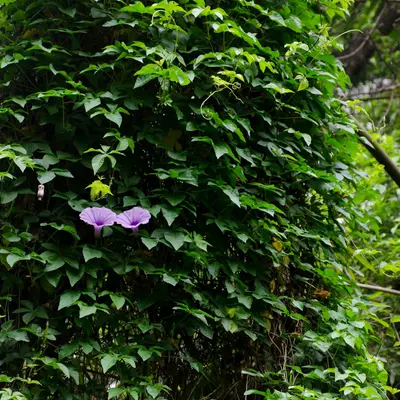
Fast-growing climber. 4-5" trumpet-shaped flowers are vibrant sky blue with creamy white throats. Lovely heart-shaped foliage and fast-growing vines are excellent for arbors, trellises, or as a ground cover. Easy-to-grow heirloom variety. Flowers open in the morning and close in the afternoon. Morning glory requires short days and long nights to trigger flowering. Vigorous plants put on lots of growth through the spring and summer and begin blooming in midsummer, producing continuously through early fall. NOTE: plants grow vigorously and have the potential to reseed.
Harvest
110-120d
Days to harvest
Sun
Full sun
Zones
2–12
USDA hardiness
Height
8-10 feet
Planting Timeline
Showing dates for Heavenly Blue in USDA Zone 7
All Zone 7 vine →Zone Map
Click a state to update dates
Heavenly Blue · Zones 2–12
Growing Details
Complete Growing Guide
Fast-growing climber. 4-5" trumpet-shaped flowers are vibrant sky blue with creamy white throats. Lovely heart-shaped foliage and fast-growing vines are excellent for arbors, trellises, or as a ground cover. Easy-to-grow heirloom variety. Flowers open in the morning and close in the afternoon. Morning glory requires short days and long nights to trigger flowering. Vigorous plants put on lots of growth through the spring and summer and begin blooming in midsummer, producing continuously through early fall. NOTE: plants grow vigorously and have the potential to reseed. According to Johnny's Selected Seeds, Heavenly Blue is 110 - 120 days to maturity, annual, open pollinated. Notable features: Heirloom, Grows Well in Containers.
Light: Full sun (6 or more hours of direct sunlight a day). Soil: Loam (Silt), Sand. Soil pH: Acid (<6.0), Alkaline (>8.0), Neutral (6.0-8.0). Drainage: Good Drainage, Moist. Height: 8 ft. 0 in. - 10 ft. 0 in.. Spread: 3 ft. 0 in. - 6 ft. 0 in.. Spacing: 6-feet-12 feet, 12-24 feet. Growth rate: Rapid. Maintenance: High. Propagation: Seed. Regions: Coastal, Mountains, Piedmont.
Harvesting
Heavenly Blue reaches harvest at 110 - 120 days from sowing per Johnny's Selected Seeds. Expect 4-5" at peak. As an annual, harvest continues until frost ends the season.
The fruit is a dehiscent dry capsule. The small, black seeds are poisonous. To plant the seeds, nick the hard seed coat and soak overnight.
Type: Capsule.
Storage & Preservation
Heavenly Blue morning glories are ornamental flowers, not edible, so traditional food storage doesn't apply. Seeds should be stored in a cool, dry location (50-70°F, low humidity) in paper envelopes or airtight containers away from light. Properly stored seeds remain viable for 2-3 years. For fresh cut flowers, place stems in cool water in a cool room out of direct sun; they typically last 1-2 days. Preserve seeds by allowing flower pods to fully mature and dry on the vine, then harvest and store in cool, dry conditions.
History & Origin
Heavenly Blue is an heirloom variety with documented breeding heritage. Heavenly Blue is open-pollinated, meaning seed saved from healthy plants will produce true-to-type offspring. Listed in the Johnny's Selected Seeds catalog.
Origin: Mexico
Advantages
- +Vibrant sky blue flowers with creamy white throats are stunning and eye-catching.
- +Fast-growing vine quickly covers arbors, trellises, and ground areas with lush foliage.
- +Easy-to-grow heirloom variety requires minimal care and thrives in most conditions.
- +Continuous blooming from midsummer through early fall provides long-season ornamental interest.
- +Heart-shaped foliage is attractive even before flowers appear on the vine.
Considerations
- -Flowers close by afternoon, limiting visual enjoyment during evening hours only.
- -Requires specific short-day conditions to trigger flowering, delaying blooms until midsummer.
- -Vigorous growth and prolific reseeding can lead to unwanted volunteer plants elsewhere.
- -Susceptible to root rot in poorly drained soils, requiring careful watering management.
Companion Plants
Nasturtiums and French marigolds (Tagetes patula) are the most useful neighbors here — nasturtiums act as aphid trap crops, drawing colonies away from the vines, while marigolds emit thiophenes from their roots that suppress soil nematodes. Sunflowers pull double duty as a living trellis; Heavenly Blue will scramble straight up an 8-foot stalk, and in our zone 7 Georgia summers the canopy filters the harshest late-afternoon heat enough to stretch flowering a few weeks past the usual August drop-off. Black walnut trees are the one neighbor worth a hard no — juglone leaches out through the root zone and will stunt or kill Ipomoea tricolor before you figure out what went wrong.
Plant Together
Nasturtiums
Attracts beneficial insects and acts as trap crop for aphids and cucumber beetles
Marigolds
Repels nematodes and various garden pests while attracting pollinators
Sweet Alyssum
Attracts beneficial insects like lacewings and provides ground cover
Cosmos
Attracts beneficial insects and pollinators without competing for space
Zinnias
Attracts butterflies and beneficial insects while providing complementary colors
Sunflowers
Provides sturdy support structure and attracts beneficial insects
Bean Plants
Morning glories can use bean poles for support while beans fix nitrogen in soil
Sweet Peas
Similar growing habits and both attract beneficial pollinators
Keep Apart
Black Walnut Trees
Produces juglone which is toxic to morning glories and inhibits growth
Allelopathic Grasses
Compete aggressively for nutrients and may release growth-inhibiting chemicals
Dense Shrubs
Create too much shade and compete for nutrients, reducing flowering
Pests & Disease Resistance
Resistance
Generally disease-free, very hardy annual
Common Pests
Aphids, spider mites, leaf miners (rarely serious)
Diseases
Root rot in poorly drained soils, generally disease-free
Troubleshooting Heavenly Blue
What you'll see, why it happens, and what to do about it.
Vines fail to flower or produce only a few blooms despite vigorous leafy growth
Likely Causes
- Soil too rich in nitrogen — overfed plants put energy into foliage instead of flowers
- Too much shade; Heavenly Blue needs a solid 6+ hours of direct sun to set buds
What to Do
- 1.Stop any nitrogen fertilizer entirely; if you amended with compost at planting, don't add more
- 2.Relocate the trellis or container to a south- or west-facing spot that gets uninterrupted afternoon sun
- 3.If the plant is in the ground and can't move, wait — slight drought stress in midsummer often triggers bud set
Leaves stippled silver or bronze, with fine webbing on the undersides during hot, dry spells
Likely Causes
- Two-spotted spider mites (Tetranychus urticae) — thrive when temperatures push above 90°F and humidity drops
- Plants under drought stress attract mite colonies faster
What to Do
- 1.Hit the undersides of leaves hard with a strong jet of water from a hose — knocks mite populations back significantly
- 2.Apply insecticidal soap or neem oil in the early morning before temperatures climb; repeat every 5-7 days for 2-3 cycles
- 3.Keep soil evenly moist during peak summer heat to reduce plant stress and slow mite spread
Seedlings or young transplants wilting and collapsing at the soil line, roots dark and mushy
Likely Causes
- Root rot caused by Pythium or Rhizoctonia species — both thrive in waterlogged, poorly drained soil
- Planting into cold, wet soil before it's fully warmed (below 60°F soil temp)
What to Do
- 1.Pull and discard the affected plants — there's no recovering a rotted root system
- 2.Work coarse perlite or pine bark fines into the bed to open up drainage before replanting
- 3.Wait until soil temps hold at or above 60°F and last frost is well past — in zone 7, that's typically mid-May
Frequently Asked Questions
How long do Heavenly Blue morning glory flowers last?▼
Is Heavenly Blue morning glory good for beginners?▼
Can you grow Heavenly Blue in containers?▼
When should I plant Heavenly Blue morning glory seeds?▼
What does Heavenly Blue morning glory taste like?▼
Can Heavenly Blue morning glory reseed itself?▼
Zone-by-Zone Planting Calendar
Growing Guides from Wind River Greens
Sources & References
External authority sources used in compiling this guide.
- BreederJohnny's Selected Seeds
See the Methodology page for how this data is sourced, what's AI-assisted, and known limitations.