Zone 11 Coverage
Planting Timeline — All Varieties
Variety Comparison
| Variety ↑ | Days | Difficulty |
|---|---|---|
| Birdhouse Gourd | 125 | Easy |
| English Ivy | — | Easy |
| Heavenly Blue | 110-120 | Easy |
| Ruby Moon | 110-120 | Moderate |
Variety Details
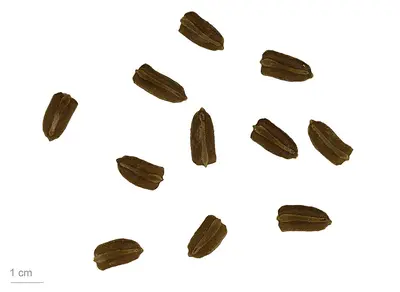
Birdhouse Gourd
Birdhouse Gourd is a charming heirloom vine variety that produces distinctive gourd-shaped fruits resembling small birdhouses, typically ready in 125 days. The hard-shelled gourds mature with ornamental light tan or cream-colored skin, ideal for drying and decoration. Young immature fruits can be eaten as summer squash, though the plant is primarily grown as an ornamental rather than for food production. Vigorous vines require full sun and rich, well-drained soil, making them excellent for trellising or sprawling along garden beds.
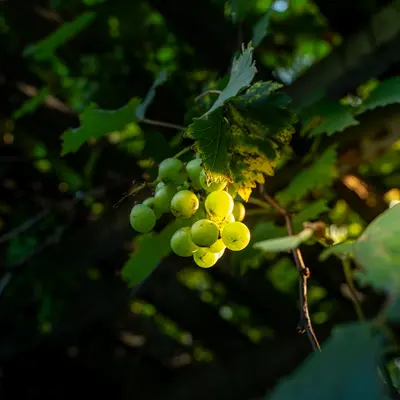
English Ivy
The classic evergreen climbing vine that transforms any surface into a lush green wall year-round. English Ivy's distinctive lobed leaves and vigorous climbing habit make it perfect for covering unsightly fences, walls, or creating dramatic ground cover. Its adaptability to both sun and shade conditions makes it one of the most versatile vines for home landscapes.
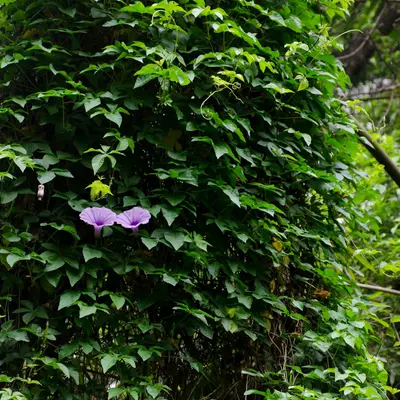
Heavenly Blue
Fast-growing climber. 4-5" trumpet-shaped flowers are vibrant sky blue with creamy white throats. Lovely heart-shaped foliage and fast-growing vines are excellent for arbors, trellises, or as a ground cover. Easy-to-grow heirloom variety. Flowers open in the morning and close in the afternoon. Morning glory requires short days and long nights to trigger flowering. Vigorous plants put on lots of growth through the spring and summer and begin blooming in midsummer, producing continuously through early fall. NOTE: plants grow vigorously and have the potential to reseed.
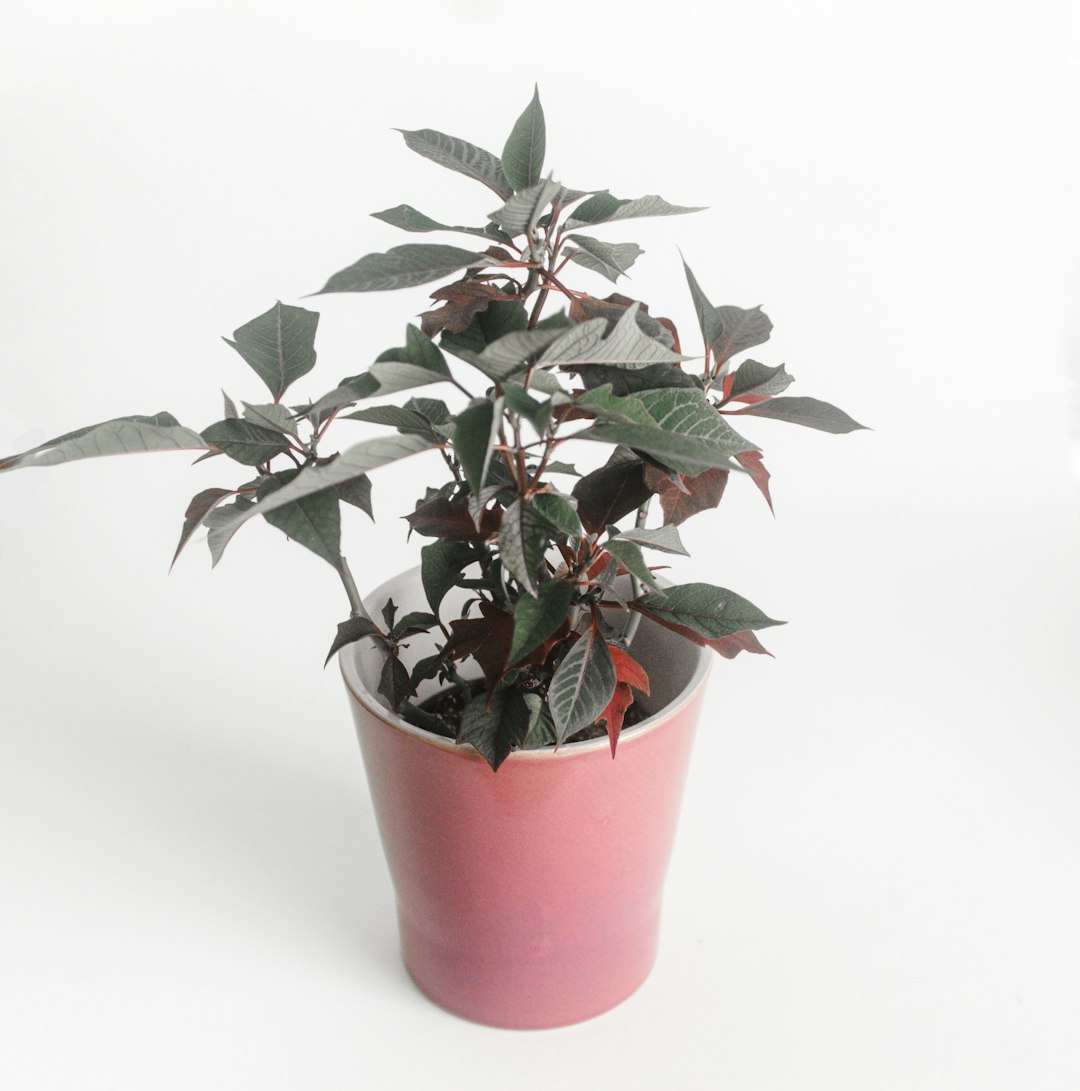
Ruby Moon
Purple stems, lilac-rose blossoms, and shiny 2-3" magenta pods. While all parts of the plant are edible, we recommend boiling the mature seeds twice before eating. Used in Asian, Thai, and Indian cuisine. Blooms and pods are useful as cut flowers; pods may be dried. Also known as bonavist-bean, and lablab-bean. Tender perennial in Zones 9-10. Best grown as an annual elsewhere.Edible Flowers: Flowers can be eaten raw or steamed, and can be used as a garnish for salads and desserts. Flavor is mild, bean-like, and sweet. A favorite in our taste tests.