Best Native Wildflowers to Grow in West Virginia
West Virginia spans USDA Zones 5–7, typically Zone 6. We've broken out 88 native wildflower varieties by zone — pick your zone below or find the right varieties for your specific part of the state.
Varieties
88
for West Virginia
USDA
Zones 5–7
155–210 days season
Beginner
79
easy to grow
Heirloom
21
heritage varieties
West Virginia in USDA Zones 5–7
West Virginia spans Zones 5–7. Variety lists below are organized by zone — start with your zone for the most accurate recommendations.
Growing Native Wildflowers in West Virginia
Zone 6 offers an excellent sweet spot for native wildflower gardening, with its generous 180-day growing season stretching from mid-April through mid-October. This extended period gives you plenty of time to establish perennials like Purple Coneflower and Black-Eyed Susan, while also allowing annual varieties like Sweet Alyssum to complete full life cycles. The moderate winter temperatures—typically dropping to -10°F to 0°F—mean most hardy perennial wildflowers will overwinter successfully without protection, though you'll want to avoid planting frost-tender species too early in spring.
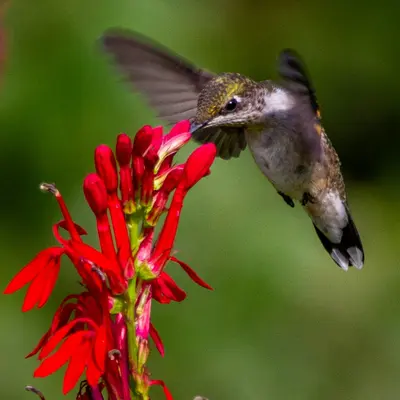
When selecting wildflowers for Zone 6, prioritize varieties that can handle the occasional late spring freeze and benefit from the long growing season. Native perennials like Butterfly Weed, Wild Columbine, and New England Aster are particularly well-suited because they've evolved to handle the temperature swings typical of this zone. These selections also tend to be drought-tolerant once established, which helps during Zone 6's variable summer rainfall patterns. The key is choosing species that can take advantage of your reliable growing season while weathering the transitional periods when unexpected frosts can still occur.
Zone 6 Native Wildflowers for West Virginia★ Most of WV
88 varieties · Last frost April 15 · 180-day season
Zone 5 Native Wildflowers for West Virginia
87 varieties · Last frost April 30 · 155-day season
Zone 7 Native Wildflowers for West Virginia
87 varieties · Last frost April 1 · 210-day season
Zone 6 Growing Tips for West Virginia
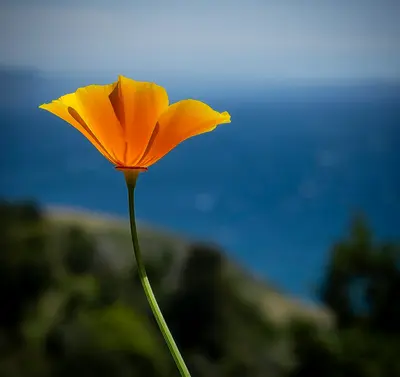
Start seeds for hardy perennials like Purple Coneflower and Black-Eyed Susan indoors 6-8 weeks before your April 15 last frost date—around late February to early March. This gives them time to develop strong root systems before transplanting outdoors in early May, once soil temperatures consistently reach 60°F. For direct-sown annuals like Sweet Alyssum and California Poppy, wait until soil can be worked in mid to late April, but be prepared to cover seedlings if a late frost threatens.
Zone 6's biggest challenge for native wildflowers is the transition periods—those unpredictable late spring and early fall temperature swings. Keep row covers or old sheets handy through early June, as surprise late frosts can damage new growth on established perennials like Wild Blue Phlox and Coral Bells. Similarly, extend your growing season by protecting tender annual blooms like Bee Balm during the first few light frosts in early October. The plants often bounce back and continue flowering until the hard freeze arrives.
Take advantage of Zone 6's reliable winter chill by direct-sowing seeds that need cold stratification—Wild Lupine, Wild Columbine, and Wild Ginger—in late fall. The natural freeze-thaw cycles will break seed dormancy better than artificial methods, and you'll see stronger germination the following spring. Just mark your seeded areas clearly, as it's easy to forget where you planted during the winter months.