Best Vines & Climbers to Grow in Washington
Washington spans USDA Zones 4–9, typically Zone 7. We've broken out 8 vine varieties by zone — pick your zone below or find the right varieties for your specific part of the state.
Varieties
8
for Washington
USDA
Zones 4–9
135–290 days season
Beginner
5
easy to grow
Heirloom
4
heritage varieties
Washington in USDA Zones 4–9
Washington spans Zones 4–9. Variety lists below are organized by zone — start with your zone for the most accurate recommendations.
Growing Vines & Climbers in Washington
Zone 7's generous 210-day growing season and relatively mild winters create ideal conditions for both annual and perennial vines, but the late spring frost risk means timing is everything. With your last frost typically arriving around April 1st, you have enough time for heat-loving vines like melons and long-season tomatoes to fully mature before October's first frost, while cool-season climbers like peas can give you both spring and fall harvests. The key is choosing varieties that either mature quickly enough to beat the heat or can handle Zone 7's occasionally unpredictable late cold snaps.
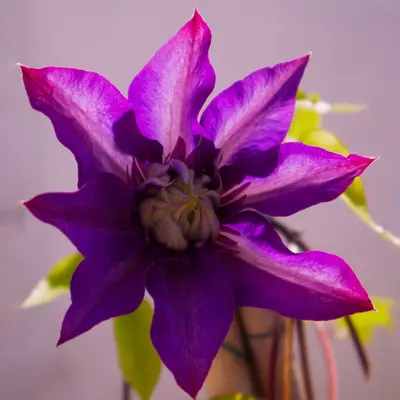
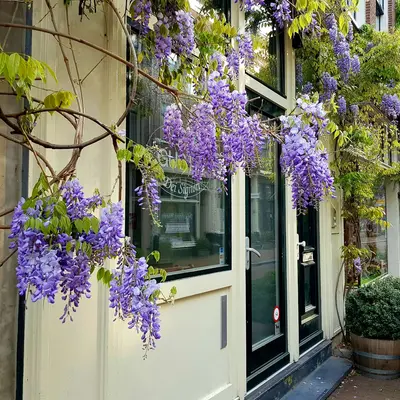
What makes Zone 7 particularly exciting for vine gardeners is the ability to grow both temperate favorites and more adventurous heat-lovers. You can successfully cultivate everything from classic Brandywine tomatoes and Kentucky Wonder beans to more exotic choices like Armenian cucumbers and Yard Long beans. The extended growing season also allows for succession planting of quick-maturing vines like cucumbers and snap peas, giving you multiple harvests throughout the year. For perennial climbers, Zone 7 offers the perfect balance – cold enough to satisfy the chill requirements of plants like Clematis 'Jackmanii', yet mild enough that established vines like Wisteria and Virginia Creeper will thrive for decades.
Zone 7 Vines & Climbers for Washington★ Most of WA
8 varieties · Last frost April 1 · 210-day season

Zone 6 Vines & Climbers for Washington
8 varieties · Last frost April 15 · 180-day season
Zone 8 Vines & Climbers for Washington
8 varieties · Last frost March 15 · 240-day season
Zone 5 Vines & Climbers for Washington
8 varieties · Last frost April 30 · 155-day season
Zone 9 Vines & Climbers for Washington
6 varieties · Last frost February 15 · 290-day season
Zone 4 Vines & Climbers for Washington
7 varieties · Last frost May 10 · 135-day season
Zone 7 Growing Tips for Washington
Start your warm-season vine seeds indoors 4-6 weeks before your last frost date (so late February to early March), but resist the urge to plant them outside until soil temperatures consistently reach 60°F, usually by mid to late April. Tomatoes, melons, and cucumbers are particularly sensitive to cold soil and will sulk or develop poorly if rushed outside too early. For insurance against late cold snaps, keep row covers handy through early May, as Zone 7 can occasionally surprise you with a late frost.
Cool-season climbers like peas and snap peas should go directly in the ground 2-4 weeks before your last frost date (mid-March), as they actually prefer cooler soil and can handle light frosts. Take advantage of your long growing season by planning succession plantings every 2-3 weeks for crops like cucumbers and beans through June, and plant a second round of snap peas in late August for fall harvest. The biggest challenge in Zone 7 is often the intense summer heat and humidity, which can stress vines and encourage fungal diseases, so ensure excellent air circulation and consider afternoon shade for sensitive crops like lettuce or peas during July and August.