Best Fruit Trees to Grow in Saskatchewan
Saskatchewan spans USDA Zones 2–4, typically Zone 3. We've broken out 19 fruit tree varieties by zone — pick your zone below or find the right varieties for your specific part of the state.
Varieties
19
for Saskatchewan
USDA
Zones 2–4
85–135 days season
Beginner
3
easy to grow
Heirloom
9
heritage varieties
Saskatchewan in USDA Zones 2–4
Saskatchewan spans Zones 2–4. Variety lists below are organized by zone — start with your zone for the most accurate recommendations.
Growing Fruit Trees in Saskatchewan
Zone 3 gardening presents unique challenges for fruit tree enthusiasts, with winter temperatures dropping as low as -30°F to -40°F and a growing season that spans just 120 days from mid-May to mid-September. However, this harsh climate also creates opportunities for exceptionally hardy varieties that produce some of the most flavorful cold-climate fruits. The key to success lies in selecting ultra-hardy varieties that can handle extreme cold while still producing quality fruit in a compressed growing season.
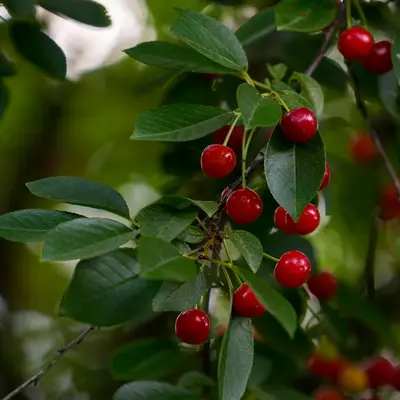
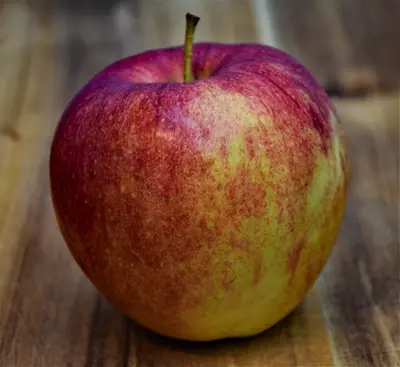
When choosing fruit trees for Zone 3, prioritize varieties bred specifically for northern climates with proven cold tolerance and early ripening characteristics. Look for apples like Honeycrisp, which was developed at the University of Minnesota specifically for cold climates, and Liberty Apple, known for its exceptional hardiness and disease resistance. Early-season varieties like Early Harvest Apple are particularly valuable since they can ripen before the first frost threatens in mid-September. While tropical fruits like citrus and avocados won't survive Zone 3 winters outdoors, the apple, cherry, and plum varieties listed here have been selected for their ability to not just survive but thrive in your challenging climate.
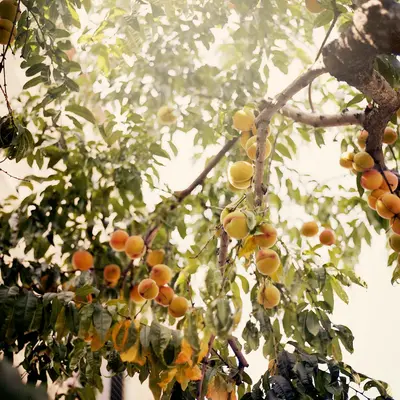
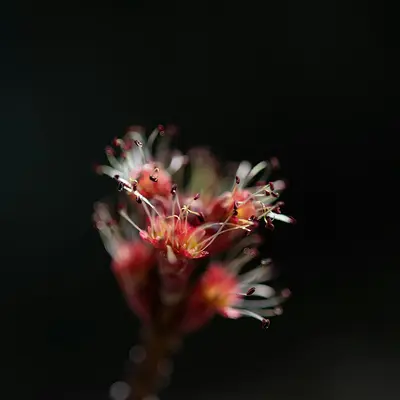
Zone 3 Fruit Trees for Saskatchewan★ Most of SK
3 varieties · Last frost May 15 · 120-day season
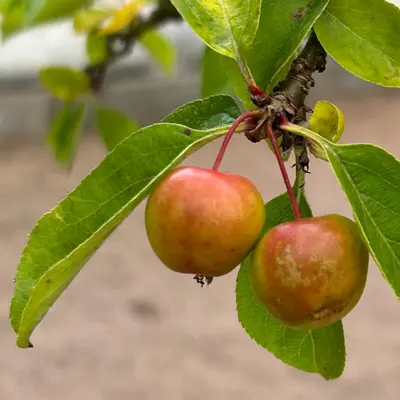
Zone 4 Fruit Trees for Saskatchewan
19 varieties · Last frost May 10 · 135-day season
Zone 3 Growing Tips for Saskatchewan
Plant bare-root fruit trees as soon as the soil can be worked in late April to early May, but wait until after May 15 for container-grown trees to avoid frost damage to new growth. Choose the warmest, most protected spot in your yard – ideally a south-facing slope with good air drainage and protection from harsh north winds. A location near a building or fence that provides wind protection while still allowing full sun exposure will help extend your growing season and protect against late spring frosts.
Mulch heavily around trees in late fall with 4-6 inches of organic matter to protect roots from extreme temperature fluctuations, but pull mulch back from the trunk to prevent rodent damage. Consider wrapping young trees in burlap or tree wrap for the first few winters until they're fully established. Summer care is crucial in Zone 3 – water consistently during the short growing season and apply a balanced fertilizer in early spring to help trees make the most of your compressed growing window. Pruning should be done in late winter when trees are fully dormant to avoid stimulating new growth that could be damaged by late frosts.