Best Shade Trees to Grow in Minnesota
Minnesota spans USDA Zones 3–5, typically Zone 4. We've broken out 32 shade tree varieties by zone — pick your zone below or find the right varieties for your specific part of the state.
Varieties
32
for Minnesota
USDA
Zones 3–5
120–155 days season
Beginner
22
easy to grow
Heirloom
7
heritage varieties
Minnesota in USDA Zones 3–5
Minnesota spans Zones 3–5. Variety lists below are organized by zone — start with your zone for the most accurate recommendations.
Growing Shade Trees in Minnesota
Zone 4 presents unique opportunities for shade tree enthusiasts who appreciate hardy, resilient varieties that can handle winter lows of -20°F to -30°F. The key to success lies in choosing trees that not only survive these harsh winters but actually thrive in the distinct seasonal rhythm of cold dormancy followed by vigorous spring growth. Your shorter growing season means every warm day counts, so selecting fast-establishing varieties that make the most of those 135 growing days is crucial.
The best shade trees for Zone 4 share several characteristics: exceptional cold hardiness, tolerance for late spring frosts that can damage tender new growth, and the ability to enter dormancy properly before your first frost around September 25th. Look for native species like Sugar Maple, Northern Red Oak, and River Birch, which have evolved with your climate patterns. These trees offer the bonus of supporting local wildlife while providing decades of reliable shade. Avoid marginally hardy specimens like Live Oak or Chinese Pistache, which may survive mild Zone 4 winters but will struggle or fail during particularly brutal cold snaps.
Zone 4 Shade Trees for Minnesota★ Most of MN
27 varieties · Last frost May 10 · 135-day season
Zone 3 Shade Trees for Minnesota
17 varieties · Last frost May 15 · 120-day season
Zone 5 Shade Trees for Minnesota
32 varieties · Last frost April 30 · 155-day season
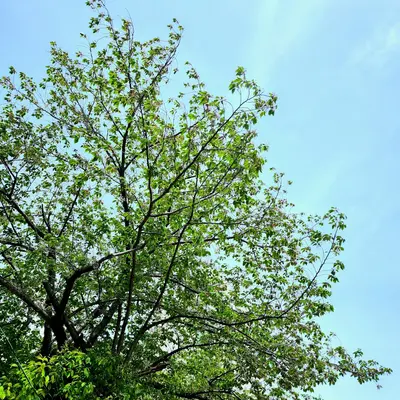
Zone 4 Growing Tips for Minnesota
Timing is everything when planting shade trees in Zone 4. Your best planting windows are early spring after soil thaws but before bud break (typically late April to early May), or fall planting 6-8 weeks before your first hard frost, which gives you a sweet spot from early August through mid-September. Spring planting is generally safer for borderline hardy species, giving them a full growing season to establish roots before facing their first winter in your yard.
Soil preparation becomes critical with your shorter season—you can't afford slow establishment. Work compost into heavy clay soils that may stay cold and waterlogged well into May, and consider raised planting for better drainage. Mulch heavily in late fall to protect roots from freeze-thaw cycles, but keep mulch away from the trunk to prevent rodent damage during long winters. Young trees benefit from tree wraps in their first few years to prevent sunscald during those bright, cold February days when bark can heat up rapidly then freeze.