Delaware in USDA Zone 7
Delaware is primarily in Zone 7. Local microclimates can vary.
Growing Berries & Fruits in Delaware
Zone 7's generous 210-day growing season from April through October makes it a berry paradise for home gardeners. The moderate climate provides enough winter chill hours for most temperate fruits while avoiding the extreme heat that stresses many berry plants. However, the key challenge lies in selecting varieties that can handle both the occasional late spring frost around April 1st and the humid summers that can invite fungal diseases. Your variety choices will make or break your berry harvest success.
When choosing berries for Zone 7, prioritize disease resistance, heat tolerance, and varieties with staggered ripening times to extend your harvest window. Cold-hardy options like Honeyberry can fruit early in the season, while heat-tolerant cultivars like Emerald Blueberry and Prime-Ark Freedom Blackberry thrive through summer heat. The varieties I've selected here have proven themselves in Zone 7's specific conditions, offering reliable yields and excellent fruit quality for gardeners who want consistent harvests year after year.
Zone 7 Berries & Fruits for Delaware
36 varieties · Last frost April 1 · 210-day season

Zone 7 Growing Tips for Delaware
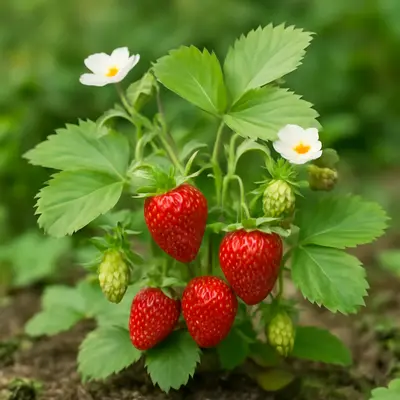
Plant bare-root berry bushes in late fall through early March, while containerized plants can go in anytime the soil isn't frozen. For strawberries, plant June-bearers like Earliglow in early spring after soil workability, but wait until after your last frost for everbearing varieties like Albion and Seascape. Most berry plants benefit from afternoon shade during Zone 7's hot summers, so avoid full western exposure if possible.
Mulching becomes critical in Zone 7 to manage both moisture and temperature fluctuations. Apply 2-3 inches of organic mulch around plants, keeping it away from stems to prevent rodent damage over winter. The humidity that comes with Zone 7's climate means excellent air circulation is essential – space plants generously and prune for open centers. During establishment years, consider shade cloth during heat waves above 90°F, especially for newly planted blueberries and currants.