Best Grasses & Bamboo to Grow in West Virginia
West Virginia spans USDA Zones 5–7, typically Zone 6. We've broken out 34 grass varieties by zone — pick your zone below or find the right varieties for your specific part of the state.
Varieties
34
for West Virginia
USDA
Zones 5–7
155–210 days season
Beginner
16
easy to grow
Heirloom
14
heritage varieties
West Virginia in USDA Zones 5–7
West Virginia spans Zones 5–7. Variety lists below are organized by zone — start with your zone for the most accurate recommendations.
Growing Grasses & Bamboo in West Virginia
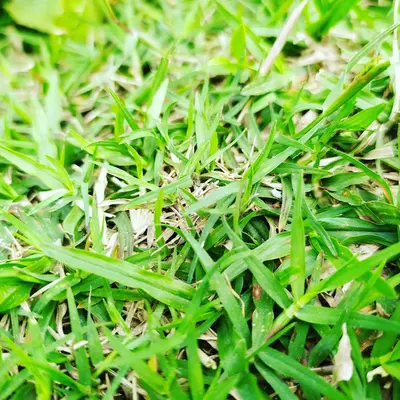
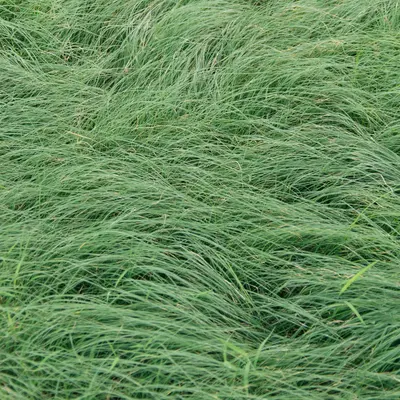
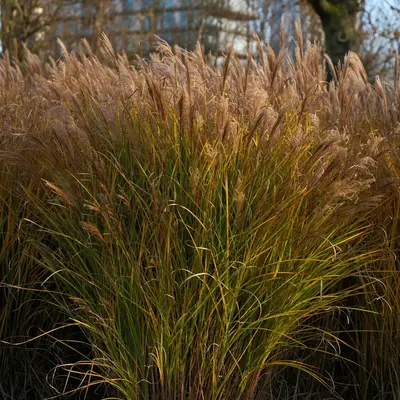
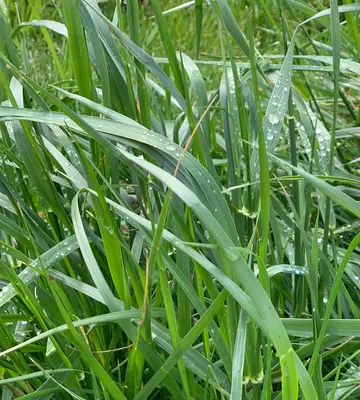
Zone 6 offers an excellent sweet spot for grass cultivation, with enough winter chill to support cool-season varieties while providing sufficient summer heat for many warm-season options. The key challenge here is selecting grasses that can handle the temperature swings – you'll see winter lows around -10°F to 0°F, while summers can push into the 90s. This zone's 180-day growing season gives you plenty of time to establish both ornamental and lawn grasses, but timing is everything. The April 15th average last frost means you can start cool-season varieties early, while the October 15th first frost gives warm-season grasses enough time to mature if planted by late spring. What makes Zone 6 particularly rewarding is the diversity it supports – from elegant ornamental options like Little Bluestem and Northern Sea Oats that thrive in the temperature variations, to reliable lawn grasses like Fine Fescue and Perennial Ryegrass that can handle both the winter cold and summer heat.
Zone 6 Grasses & Bamboo for West Virginia★ Most of WV
31 varieties · Last frost April 15 · 180-day season

Zone 5 Grasses & Bamboo for West Virginia
29 varieties · Last frost April 30 · 155-day season
Zone 7 Grasses & Bamboo for West Virginia
32 varieties · Last frost April 1 · 210-day season
Zone 6 Growing Tips for West Virginia
Cool-season grasses are your workhorses in Zone 6 – plant Fine Fescue, Perennial Ryegrass, and Kentucky Bluegrass in early spring (late March to early April) or late summer (August to early September) for best establishment. These varieties actually prefer the cooler temperatures and will struggle if planted during peak summer heat. For ornamental varieties like Little Bluestem and Blue Fescue, spring planting after the last frost gives them a full season to develop strong root systems before winter. Warm-season options like Fountain Grass and Zebra Grass should wait until soil temperatures reach 60°F consistently, typically mid to late May in Zone 6. The biggest mistake I see gardeners make is rushing warm-season plantings – that extra two weeks of waiting can mean the difference between thriving plants and struggling survivors. Japanese Forest Grass and other shade-tolerant varieties can be planted throughout the growing season but establish best with consistent moisture during their first summer.