Best Nut Trees to Grow in South Dakota
South Dakota spans USDA Zones 3–5, typically Zone 4. We've broken out 23 nut tree varieties by zone — pick your zone below or find the right varieties for your specific part of the state.
Varieties
23
for South Dakota
USDA
Zones 3–5
120–155 days season
Beginner
2
easy to grow
Heirloom
8
heritage varieties
South Dakota in USDA Zones 3–5
South Dakota spans Zones 3–5. Variety lists below are organized by zone — start with your zone for the most accurate recommendations.
Growing Nut Trees in South Dakota
Zone 4 presents unique opportunities for nut tree cultivation, despite its reputation as a challenging climate. With winter temperatures dipping to -30°F and a relatively short growing season, success depends on choosing varieties that can both survive brutal winters and mature nuts within the available frost-free period. The key is selecting trees that have been bred or naturally adapted for cold climates, rather than hoping southern varieties will somehow adapt.
When evaluating nut trees for Zone 4, prioritize cold hardiness ratings, early nut maturation, and disease resistance. Many traditional nut varieties simply won't ripen before your first frost in late September, leaving you with immature nuts year after year. The varieties listed here have proven track records in similar climates, with most capable of surviving -25°F to -30°F winters while producing mature nuts within a 135-day growing season. Focus on northern-bred cultivars like Carpathian Walnuts, cold-hardy hazelnuts, and specially selected chestnuts that can handle your climate extremes.
Zone 4 Nut Trees for South Dakota★ Most of SD
13 varieties · Last frost May 10 · 135-day season
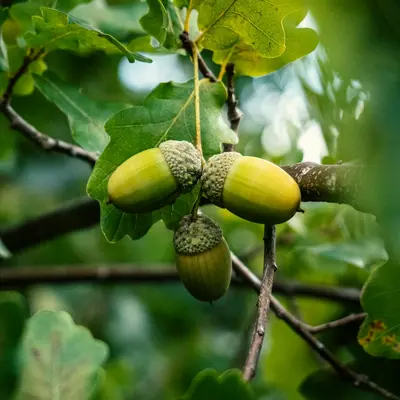
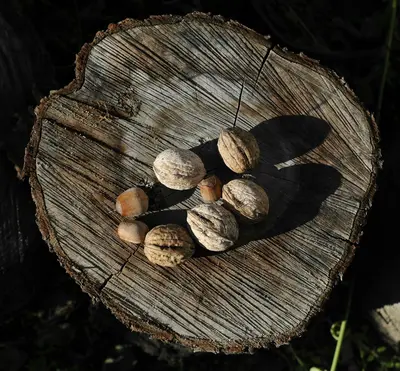
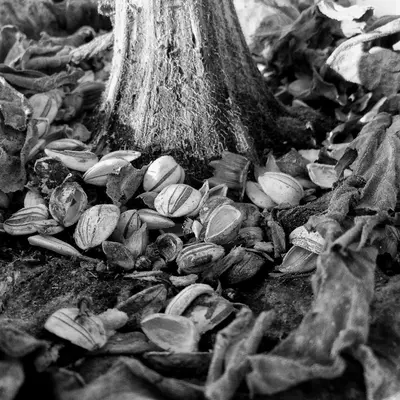

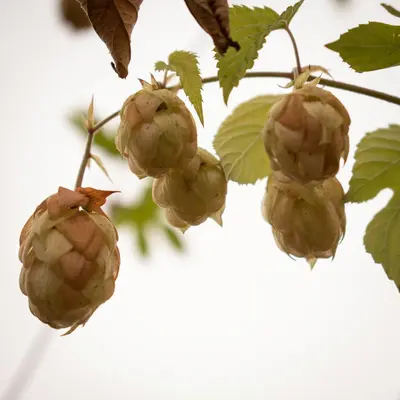
Zone 3 Nut Trees for South Dakota
4 varieties · Last frost May 15 · 120-day season
Zone 5 Nut Trees for South Dakota
23 varieties · Last frost April 30 · 155-day season
Zone 4 Growing Tips for South Dakota
Plant nut trees in Zone 4 during early spring, ideally 2-3 weeks before your average last frost date of May 10th. This timing allows root establishment during cool, moist conditions without exposing new growth to hard freezes. Choose the warmest, most protected location in your yard—typically on a south-facing slope or near a building that provides wind protection. Avoid low-lying areas where cold air settles, as these frost pockets can damage late spring growth or early fall nuts.
Soil preparation is critical in Zone 4's often clay-heavy or poorly-draining soils. Most nut trees require excellent drainage and will fail in waterlogged conditions, especially during freeze-thaw cycles. Amend heavy soils with compost and consider mounding or raised planting areas. Mulch heavily around young trees to moderate soil temperature swings and protect roots, but keep mulch several inches from the trunk to prevent rodent damage during long winters.