Best Ornamental Trees to Grow in Florida
Florida spans USDA Zones 8–11, typically Zone 9. We've broken out 30 ornamental tree varieties by zone — pick your zone below or find the right varieties for your specific part of the state.
Varieties
30
for Florida
USDA
Zones 8–11
240–365 days season
Beginner
18
easy to grow
Heirloom
2
heritage varieties
Florida in USDA Zones 8–11
Florida spans Zones 8–11. Variety lists below are organized by zone — start with your zone for the most accurate recommendations.
Growing Ornamental Trees in Florida
Zone 9 gardeners enjoy one of the longest growing seasons in the country, stretching nearly 10 months from mid-February through November. This extended warm period opens up incredible opportunities for ornamental trees, allowing heat-loving species like Live Oak and Crape Myrtle to truly flourish while still supporting traditional favorites like Sugar Maples and flowering cherries. The challenge lies in the intense summer heat and humidity, which can stress trees that aren't well-adapted to southern conditions.
When selecting ornamental trees for Zone 9, prioritize varieties with proven heat tolerance and disease resistance. Trees like the Natchez Crape Myrtle and Heritage River Birch have been specifically bred to handle hot, humid summers while maintaining their ornamental appeal. Consider your landscape's microclimates too – a Japanese Maple might struggle in full southern exposure but thrive in a spot with afternoon shade. The key is matching each tree's needs to your specific growing conditions rather than fighting against the climate.
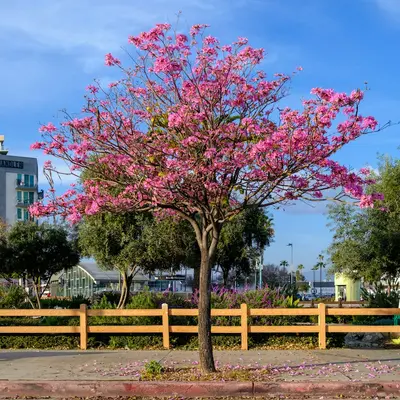
Zone 9 Ornamental Trees for Florida★ Most of FL
14 varieties · Last frost February 15 · 290-day season
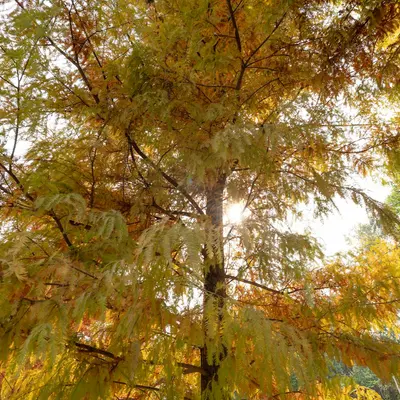
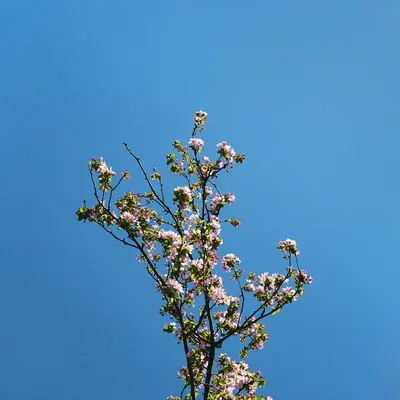
Zone 8 Ornamental Trees for Florida
30 varieties · Last frost March 15 · 240-day season
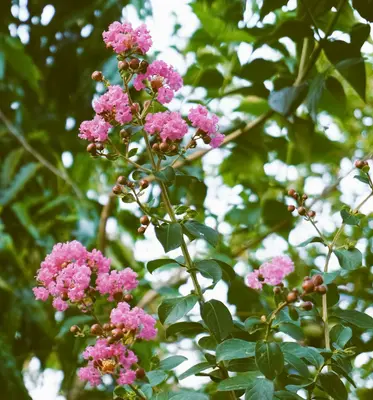
Zone 10 Ornamental Trees for Florida
1 variety · Last frost January 31 · 320-day season
Zone 9 Growing Tips for Florida
The optimal planting window for ornamental trees in Zone 9 runs from late October through early March, avoiding the brutal summer heat that can shock newly transplanted trees. Fall planting is particularly advantageous here – trees get the entire cool season to establish their root systems before facing their first summer. Plant bare-root trees between December and February, while container plants can go in anytime during the cool season.
Summer survival is your biggest challenge in Zone 9. Newly planted trees need consistent deep watering through their first summer, and mulching is absolutely critical – use 3-4 inches of organic mulch to keep roots cool and retain moisture. Many ornamental trees benefit from afternoon shade in this zone, so consider the mature canopy of nearby trees when selecting planting locations. Disease pressure from humidity means choosing resistant varieties like Kousa Dogwood over traditional flowering dogwood, and ensuring good air circulation around your trees.