Best Ornamental Trees to Grow in California
California sits in USDA Hardiness Zone 9. These 19 ornamental tree varieties are suited to California's 290-day growing season with last frost around February 15 and first frost around December 1.
Varieties
19
for California
USDA Zone
9
290-day season
Beginner
15
easy to grow
Heirloom
4
heritage varieties
California in USDA Zone 9
California is primarily in Zone 9. Varieties that thrive in this zone will typically grow well across the state, though local microclimates vary.
When to Plant Ornamental Trees in California
Growing Ornamental Trees in California
Zone 9 gardeners enjoy one of the longest growing seasons in the country, stretching nearly 10 months from mid-February through November. This extended warm period opens up incredible opportunities for ornamental trees, allowing heat-loving species like Live Oak and Crape Myrtle to truly flourish while still supporting traditional favorites like Sugar Maples and flowering cherries. The challenge lies in the intense summer heat and humidity, which can stress trees that aren't well-adapted to southern conditions.
When selecting ornamental trees for Zone 9, prioritize varieties with proven heat tolerance and disease resistance. Trees like the Natchez Crape Myrtle and Heritage River Birch have been specifically bred to handle hot, humid summers while maintaining their ornamental appeal. Consider your landscape's microclimates too β a Japanese Maple might struggle in full southern exposure but thrive in a spot with afternoon shade. The key is matching each tree's needs to your specific growing conditions rather than fighting against the climate.
Variety Comparison
| Variety β | Days | Difficulty |
|---|---|---|
| American Elm Princeton | N/A | Easy to moderate |
| American Hornbeam | N/A | Easy |
| Bald Cypress | N/A | Easy |
| Bradford Pear | N/A | Easy |
| Brandywine Red Maple | β | Easy |
| Cleveland Select Pear | β | Easy |
| Crape Myrtle Natchez | N/A | Easy |
| Eastern Redbud Forest Pansy | N/A | Easy |
| Flowering Dogwood Cherokee Princess | N/A | Easy to moderate |
| Flowering Pear Chanticleer | N/A | Easy |
| Fringe Tree | N/A | Easy |
| Ginkgo Biloba Autumn Gold | N/A | Easy |
| Lavender Twist Weeping Redbud | β | Moderate |
| Live Oak | N/A | Easy |
| October Glory Red Maple | N/A | Easy |
| Pink Flowering Crabapple | β | Easy |
| River Birch Heritage | β | Easy |
| Serviceberry Autumn Brilliance | β | Easy |
| Tulip Tree | N/A | Easy to moderate |
Variety Details

American Elm Princeton
A majestic shade tree that brings back the classic American elm's iconic vase-shaped silhouette with improved disease resistance to Dutch elm disease. Princeton elm combines the stately presence that once lined America's streets with modern disease tolerance, making it perfect for large properties seeking a timeless, elegant canopy tree.

American Hornbeam
A native understory gem with smooth, muscle-like gray bark that creates stunning winter architecture. This slow-growing beauty adapts to challenging shade conditions while providing brilliant orange to red fall color and interesting hop-like seed clusters. Perfect for naturalizing or as a specimen tree where a refined, smaller-scale tree is desired.

Bald Cypress
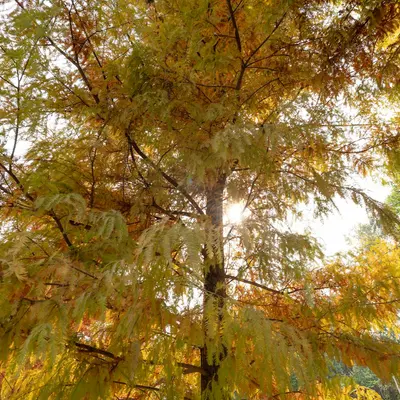
A unique deciduous conifer that brings year-round architectural interest with its distinctive buttressed trunk and feathery, soft-green needles that turn russet-orange before dropping in fall. This adaptable native tree thrives in both wet and dry conditions, making it an excellent choice for challenging sites while providing exceptional wildlife habitat.

Bradford Pear
Once America's most popular ornamental tree, known for its spectacular white spring blooms and symmetrical pyramid shape. While beautiful, this tree has significant structural weaknesses and invasive tendencies that have led many states to ban its sale. Many gardeners are now choosing better alternatives like serviceberry or flowering cherry for similar spring impact.

Brandywine Red Maple
An exceptional red maple cultivar selected for its superior fall color and strong branching structure. This tree produces brilliant red-orange autumn foliage that rivals any maple variety, while maintaining excellent drought tolerance and adaptability. Its symmetrical oval crown and reliable performance make it an outstanding choice for street trees and large landscapes.

Cleveland Select Pear
A superior ornamental pear with a distinctive narrow, pyramidal shape that fits perfectly in tight spaces and urban environments. Unlike Bradford Pear, this variety has strong branch structure and won't split in storms, while producing masses of white spring flowers and glossy green foliage that turns purple-red in fall. It's an excellent choice for street plantings and formal landscapes.

Crape Myrtle Natchez
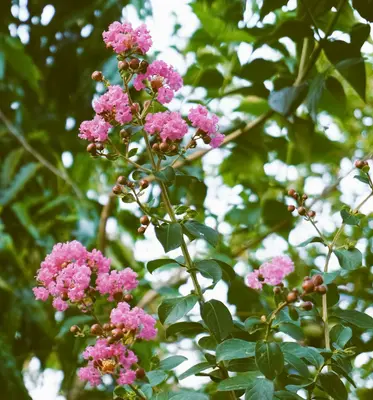
A stunning white-flowered crape myrtle that stands out as one of the most disease-resistant and cold-hardy varieties available. Its exfoliating bark creates a beautiful patchwork of cinnamon and gray tones in winter, while the brilliant orange-red fall foliage provides spectacular seasonal interest that rivals any maple.

Eastern Redbud Forest Pansy
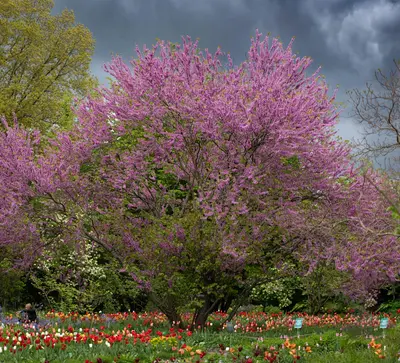
This award-winning cultivar transforms the traditional redbud with stunning heart-shaped leaves that emerge deep burgundy-red and mature to rich purple throughout the season. In early spring, magenta-pink flowers bloom directly from the branches and trunk before the leaves appear, creating a magical display that's enhanced by the colorful foliage that follows. Forest Pansy offers the perfect combination of spectacular spring flowers and unique colored foliage that provides interest all season long.

Flowering Dogwood Cherokee Princess
The most celebrated white-flowering dogwood cultivar, Cherokee Princess produces abundant large, pure white bracts that create a stunning spring display lasting 2-3 weeks. This vigorous native tree offers four-season interest with glossy green summer foliage, brilliant red fall color, and attractive winter bark texture. Its reliable blooming and superior disease resistance make it the gold standard for dogwoods in American landscapes.

Flowering Pear Chanticleer
A superior alternative to Bradford Pear with a naturally pyramidal shape and stronger branching structure that resists storm damage. Covered in white spring blooms followed by glossy foliage that turns brilliant red-purple in fall, making it ideal for street trees and formal landscapes.

Fringe Tree
A native treasure that produces clouds of fragrant white flowers resembling fringe in late spring, earning it the nickname 'Old Man's Beard'. This adaptable small tree or large shrub offers multi-season interest with its showy blooms, bright yellow fall color, and dark blue berries on female plants. An excellent choice for naturalistic gardens and wildlife habitat.

Ginkgo Biloba Autumn Gold
A stunning male cultivar of the ancient Ginkgo tree, prized for its brilliant golden-yellow fall color that creates a spectacular autumn display. This living fossil is incredibly hardy and pollution-tolerant, making it perfect for urban landscapes while bringing prehistoric beauty to modern gardens.

Lavender Twist Weeping Redbud
A remarkable weeping form of redbud that creates a living sculpture in the landscape with its gracefully cascading branches and stunning spring flower display. The twisted, contorted branches are covered with bright pink-purple flowers before the heart-shaped leaves emerge, creating an unforgettable sight. This award-winning tree brings unique character and four-season interest to any garden.

Live Oak
An iconic Southern evergreen oak that develops massive, spreading horizontal branches draped with Spanish moss, creating one of the most distinctive and majestic tree forms in North America. This extremely long-lived tree provides year-round shade and becomes a true heirloom landscape feature that will define your property for centuries.

October Glory Red Maple
America's most reliable red maple for spectacular fall color, producing brilliant orange-red to crimson foliage that lasts weeks longer than other maples. This fast-growing native adapts to various soil conditions and consistently delivers the stunning autumn display that makes it a landscape favorite. An excellent choice for creating dramatic seasonal interest in large yards.

Pink Flowering Crabapple
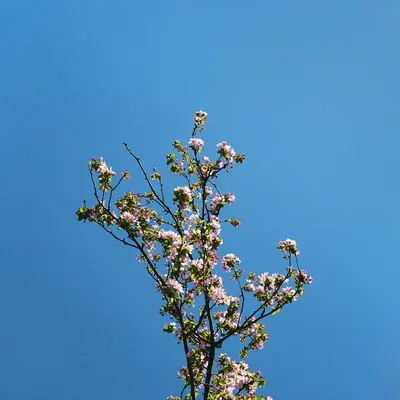
One of the most disease-resistant crabapples available, 'Prairifire' produces abundant coral-pink buds that open to deep pink flowers, followed by small red fruits that persist into winter for wildlife. This compact tree offers multi-season interest with excellent disease resistance that makes it virtually maintenance-free.

River Birch Heritage
An award-winning native tree celebrated for its stunning exfoliating bark that peels in papery layers of cream, salmon, and cinnamon brown, creating year-round visual interest. This fast-growing beauty thrives in wet soils where other trees struggle, making it perfect for low-lying areas while also tolerating drought once established. Its graceful, slightly weeping habit and resistance to bronze birch borer make it the most reliable birch for home landscapes.

Serviceberry Autumn Brilliance
A superior native tree offering four seasons of beauty with delicate white spring flowers, sweet summer berries loved by birds, and exceptional orange-red fall color. This low-maintenance beauty adapts to various conditions while providing wildlife value and edible fruit for jams and pies. An excellent eco-friendly alternative to invasive ornamental trees.

Tulip Tree
A fast-growing native giant that rewards patient gardeners with unique tulip-shaped flowers in spring and distinctive four-lobed leaves that turn golden-yellow in fall. This impressive tree can become a true landscape specimen, offering both beautiful blooms and exceptional height for those with adequate space.
Zone 9 Growing Tips for California
The optimal planting window for ornamental trees in Zone 9 runs from late October through early March, avoiding the brutal summer heat that can shock newly transplanted trees. Fall planting is particularly advantageous here β trees get the entire cool season to establish their root systems before facing their first summer. Plant bare-root trees between December and February, while container plants can go in anytime during the cool season.
Summer survival is your biggest challenge in Zone 9. Newly planted trees need consistent deep watering through their first summer, and mulching is absolutely critical β use 3-4 inches of organic mulch to keep roots cool and retain moisture. Many ornamental trees benefit from afternoon shade in this zone, so consider the mature canopy of nearby trees when selecting planting locations. Disease pressure from humidity means choosing resistant varieties like Kousa Dogwood over traditional flowering dogwood, and ensuring good air circulation around your trees.