HeirloomContainer OK

Watermelon Radish

Brassica rapa var. longipinnata 'Red Meat'

Watermelon Radish growing in a garden

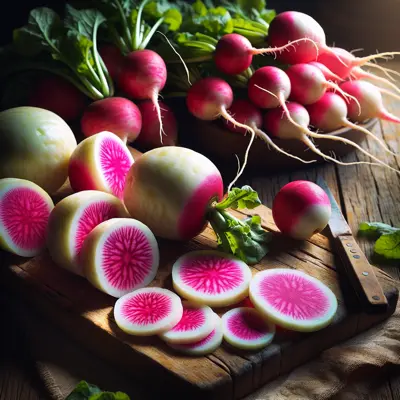
A stunning Chinese heirloom radish that's white on the outside but reveals a brilliant magenta interior when sliced, resembling a watermelon. These large, mild radishes are perfect for adding dramatic color to salads and have a sweet, crisp texture that's nothing like the sharp bite of spring radishes. They're a showstopper at farmers markets and dinner parties alike.

Harvest

60-70d

Days to harvest

📅

Sun

Full sun to partial shade

☀️

Zones

3–10

USDA hardiness

🗺️

Height

12-16 inches

📏

Planting Timeline

Jan
Feb
Mar
Apr
May
Jun
Jul
Aug
Sep
Oct
Nov
Dec
Direct Sow
Harvest
Direct Sow
Harvest

Showing dates for Watermelon Radish in USDA Zone 7

All Zone 7 brassica

Zone Map

Click a state to update dates

AKZ3MEZ4WIZ4VTZ4NHZ5WAZ7IDZ5MTZ4NDZ4MNZ4MIZ5NYZ6MAZ6CTZ6RIZ6ORZ7NVZ7WYZ4SDZ4IAZ5INZ6OHZ6PAZ6NJZ7DEZ7CAZ9UTZ5COZ5NEZ5ILZ6WVZ6VAZ7MDZ7DCZ7AZZ9NMZ7KSZ6MOZ6KYZ6TNZ7NCZ7SCZ8OKZ7ARZ7MSZ8ALZ8GAZ8TXZ8LAZ9FLZ9HIZ10

Watermelon Radish · Zones 310

What grows well in Zone 7?

Growing Details

Difficulty
Easy
Spacing4-6 inches
SoilDeep, loose, well-drained soil free of rocks
pH6.0-7.0
Water1 inch per week, consistent moisture
SeasonCool season
FlavorMild, sweet, crisp with subtle peppery finish
ColorWhite exterior with bright magenta interior
Size3-4 inches diameter

Zone-by-Zone Planting Calendar

ZoneIndoor StartTransplantDirect SowHarvest
Zone 3July – JulySeptember – September
Zone 4July – AugustSeptember – October
Zone 5July – AugustSeptember – October
Zone 6August – AugustOctober – October
Zone 7August – SeptemberOctober – November
Zone 8August – SeptemberOctober – November
Zone 9September – OctoberNovember – December
Zone 10October – NovemberDecember – January

Complete Growing Guide

Site preparation is crucial for watermelon radishes since they need deep, uncompacted soil to develop their impressive 3-4 inch diameter roots. Work your soil to at least 12 inches deep, removing all rocks, clods, and debris that could cause roots to fork or become misshapen. Heavy clay soils will stunt growth, so amend with compost and coarse sand if needed to improve drainage.

Always direct sow watermelon radishes—they hate transplanting and will bolt if their taproot is disturbed. Plant seeds ½ inch deep and 2 inches apart in rows spaced 12 inches apart. In zones 3-6, sow in late July through August for fall harvest. In zones 7-9, wait until September or even October to avoid summer heat. These radishes actually prefer cool weather and light frost, which concentrates their sugars and improves flavor.

Fertilize lightly at planting with a balanced 10-10-10, but avoid high-nitrogen fertilizers which promote leafy growth at the expense of root development. Side-dress with compost tea every 3 weeks if your soil is particularly poor.

Thin seedlings when they're 2 inches tall, leaving 4-6 inches between plants. This spacing is critical—crowded radishes will remain small and bitter. Maintain consistent moisture throughout the growing season, providing about 1 inch of water weekly. Inconsistent watering causes woody, cracked roots.

The biggest mistake gardeners make is planting too early in spring or in hot weather. Watermelon radishes are long-day plants that bolt quickly when temperatures exceed 75°F consistently. Another common error is shallow soil preparation—these large radishes need room to expand downward.

To maximize yield, practice succession planting every 2 weeks from late summer into early fall. This extends your harvest window and ensures you don't end up with 50 radishes ready simultaneously. In zones 8-9, you can often get a second planting in late winter for early spring harvest before heat arrives.

Harvesting

Harvest watermelon radishes when they're 3-4 inches in diameter, typically 60-70 days from sowing. The shoulders should be protruding 1-2 inches above soil level, appearing white to pale green. Gently brush soil away from the top to check size—they're ready when they feel firm and solid, not spongy.

Test readiness by grasping the leaves close to the root and giving a gentle twist-and-pull motion. Mature radishes will lift easily from loose soil. If there's significant resistance, wait another week. Harvest in the morning when roots are crisp and full of moisture, but after dew has dried to prevent disease issues.

Don't wait too long to harvest—oversized radishes become woody and develop a stronger, less pleasant flavor. Light frost actually improves taste by converting starches to sugars, so don't rush to harvest at the first cold snap. However, harvest before hard freezes below 25°F, which can damage the roots and make them mushy.

Storage & Preservation

Store fresh watermelon radishes in the refrigerator with tops removed, wrapped in perforated plastic bags in the crisper drawer. They'll maintain quality for 2-3 months at 32-35°F with high humidity. Never store at room temperature—they'll become pithy within days.

For preservation, watermelon radishes excel at quick pickling due to their mild flavor and stunning color. Slice them thin and pickle in rice vinegar for an authentic Asian preparation. They also ferment beautifully into kimchi-style preparations, maintaining their crunch and developing complex flavors.

Roasted watermelon radishes make an excellent winter side dish—cut into wedges, toss with olive oil and herbs, then roast at 425°F until tender. They can be frozen after blanching for 2 minutes, though the texture becomes softer and they're best used cooked rather than fresh after freezing.

History & Origin

Watermelon radishes, known as 'Shinrimei' in Chinese, originated in northern China centuries ago as a winter storage crop. Chinese farmers developed this variety specifically for its keeping qualities and mild flavor, unlike the sharp spring radishes common in Europe. The variety was particularly valued during harsh winters when fresh vegetables were scarce.

The radish gained popularity in the United States in the 1990s when specialty seed companies began importing Asian vegetable varieties for adventurous gardeners and restaurant chefs. Its Instagram-worthy appearance made it a social media sensation in the 2010s, driving widespread adoption among home gardeners.

Traditionally, these radishes were stored in root cellars or buried in sand to preserve them through winter months. Chinese cuisine features them in stir-fries, soups, and pickled preparations, though Western cooks have embraced their raw applications. The variety represents the broader movement toward heirloom Asian vegetables that offer both unique flavors and visual appeal in modern American gardens.

Advantages

  • +Stunning magenta interior creates dramatic visual impact in salads and garnishes
  • +Exceptionally mild, sweet flavor without the harsh bite of spring radishes
  • +Excellent storage life of 2-3 months when properly refrigerated
  • +Cool weather tolerance allows harvest after light frosts improve flavor
  • +Large size provides substantial yield from each plant
  • +Natural resistance to clubroot and splitting common in other radish varieties
  • +Versatile culinary applications from raw preparations to roasting

Considerations

  • -Requires deep, perfectly prepared soil or roots become forked and stunted
  • -Cannot be transplanted successfully, limiting growing flexibility
  • -Long growing season of 60-70 days compared to 30-day spring radishes
  • -Bolts quickly in hot weather, restricting planting windows in warm climates
  • -Large spacing requirements mean lower plants per square foot than smaller varieties

Companion Plants

Plant Together

+

Lettuce

Shallow roots don't compete, provides ground cover and efficient space use

+

Spinach

Cool season companion with non-competing root system, good succession planting

+

Carrots

Deep taproots don't compete with shallow radish roots, different growth habits

+

Nasturtiums

Trap crop for flea beetles and aphids that commonly attack brassicas

+

Dill

Attracts beneficial insects like parasitic wasps that control cabbage worms

+

Onions

Strong scent deters flea beetles and root maggots that target radishes

+

Marigolds

Natural pest deterrent, repels nematodes and various brassica pests

+

Chives

Repels aphids and other soft-bodied insects, improves soil health

Keep Apart

-

Tomatoes

Heavy feeders that compete for nutrients, may stunt radish growth

-

Pole Beans

Create too much shade and compete for nutrients, radishes prefer full sun

-

Fennel

Allelopathic properties inhibit growth of most brassicas including radishes

Pests & Disease Resistance

Resistance

Good resistance to clubroot and splitting

Common Pests

Flea beetles, cabbage root maggots

Diseases

Clubroot, black rot, downy mildew

Frequently Asked Questions

How long does watermelon radish take to grow?
Watermelon radishes require 60-70 days from seed to harvest, significantly longer than spring radishes that mature in 30 days. This extended growing period allows them to develop their large size and mild, sweet flavor. Plant in late summer for fall harvest when cool weather enhances their taste and prevents bolting.
Can you grow watermelon radish in containers?
Yes, but use containers at least 12 inches deep and 8 inches wide per plant. The deep taproot needs room to develop properly. Choose varieties specifically bred for containers if available, and ensure excellent drainage. Container growing actually makes it easier to provide the loose, rock-free soil these radishes require.
What does watermelon radish taste like?
Watermelon radishes have a mild, sweet, crisp flavor with just a subtle peppery finish—nothing like the sharp bite of spring radishes. The texture is similar to a firm apple or Asian pear. The white outer flesh is mildest, while the colorful interior has slightly more spice, making them perfect for raw applications and garnishes.
When should I plant watermelon radish seeds?
Plant in late summer for fall harvest—typically late July through August in zones 3-6, and September to October in zones 7-9. Avoid spring planting in most climates as hot weather causes bolting. These radishes actually prefer cool weather and light frost, which improves their flavor by concentrating natural sugars.
Why are my watermelon radishes not forming bulbs?
Common causes include hot weather (they bolt instead of forming roots above 75°F), overcrowding (thin to 4-6 inches apart), too much nitrogen fertilizer promoting leaf growth, or shallow/compacted soil preventing root expansion. Ensure cool growing conditions and deep, loose soil for proper bulb development.
Are watermelon radishes good for beginners?
Yes, they're quite beginner-friendly once you understand their basic needs: cool weather, deep loose soil, and direct sowing. They're actually more forgiving than spring radishes since they don't bolt as easily in cool conditions and have good disease resistance. The main challenge is timing the planting correctly for your climate zone.

More Brassicas