Easter Egg Radish
Raphanus sativus
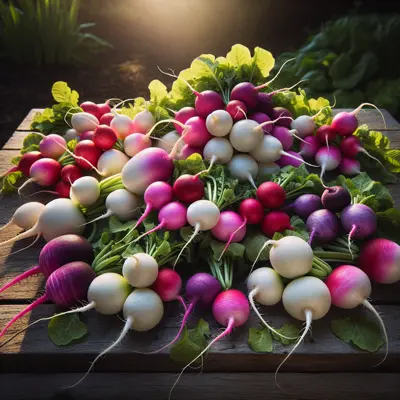
Make beautiful bunches with this mix of red, purple, pink, and white round radishes. Maturing over an extended period of time, they stay crisp and mild even when large. Great fun for children and adults alike.
Harvest
30d
Days to harvest
Sun
Full sun to partial shade
Zones
2–11
USDA hardiness
Height
0-3 feet
Planting Timeline
Showing dates for Easter Egg Radish in USDA Zone 7
All Zone 7 brassica →Zone Map
Click a state to update dates
Easter Egg Radish · Zones 2–11
Growing Details
Zone-by-Zone Planting Calendar
| Zone | Indoor Start | Transplant | Direct Sow | Harvest |
|---|---|---|---|---|
| Zone 3 | March – April | May – June | May – June | June – October |
| Zone 4 | March – April | May – June | April – June | May – October |
| Zone 5 | February – March | April – May | April – May | May – November |
| Zone 6 | February – March | April – May | April – May | May – November |
| Zone 7 | February – March | April – May | March – May | April – November |
| Zone 8 | January – February | March – April | March – April | April – December |
| Zone 9 | January – January | February – March | February – March | March – December |
| Zone 10 | January – January | February – March | January – March | February – December |
Complete Growing Guide
Start your Easter Egg radish adventure by preparing loose, well-draining soil that's free of rocks and debris – these colorful roots need an unobstructed path to develop their perfect round shape. Work compost into heavy clay soils and avoid fresh manure, which causes forked roots and reduces the vibrant colors that make this variety special.
Direct sow seeds ¼ to ½ inch deep in early spring, 2-4 weeks before your last frost date. Space seeds 1 inch apart in rows 6 inches apart, or scatter them in wide bands for a more natural look. Never start Easter Egg radishes indoors – they hate transplanting and will bolt immediately. The key to continuous harvests is succession planting every 10-14 days through spring, then resuming 6 weeks before fall frost for a second colorful crop.
Skip the fertilizer entirely if your soil has decent organic matter. High nitrogen will give you gorgeous green tops but disappointing, woody roots with muted colors. If your soil is truly poor, apply a balanced 10-10-10 fertilizer at planting, then nothing else. Water consistently but lightly – Easter Egg radishes need steady moisture to develop their signature mild, sweet flavor and prevent the splitting that ruins their beautiful appearance.
The biggest mistake gardeners make is letting these beauties sit too long in warm weather. Once temperatures consistently hit 70°F, they'll turn woody and bitter fast. In zones 7-9, focus on fall and winter plantings for the best results. Northern gardeners in zones 3-5 can grow them throughout the cool season but should provide afternoon shade during unexpected warm spells.
Thin seedlings to 2 inches apart once they're 2 inches tall – those thinnings make excellent microgreens. Keep the soil surface loose with light cultivation, but stay shallow since radish roots are easily damaged. Row covers protect against flea beetles, which can riddle the colorful roots with unsightly holes just before harvest.
Harvesting
Easter Egg radishes are ready when the shoulders peek above soil level, showing off their delightful colors – look for roots about ¾ to 1 inch in diameter at 25-30 days. The key visual cue is when the stem where it meets the root shows the variety's characteristic bright hues: pure white, candy pink, cherry red, or deep purple.
Harvest in early morning when roots are crisp and full of moisture. Gently brush away soil and perform the 'wiggle test' – mature Easter Egg radishes will move easily when you wiggle the tops. Pull straight up with a gentle twisting motion to avoid breaking the taproot. If they resist, wait another 2-3 days.
Never leave Easter Egg radishes in the ground once they're ready, especially in temperatures above 65°F. Unlike storage radishes, these are bred for immediate eating and will turn pithy and lose their mild flavor within a week of peak maturity. Check your patch daily once the 25-day mark approaches – the difference between perfect and disappointing can be just 48 hours.
Storage & Preservation
Remove tops immediately after harvest, leaving about ½ inch of stem to prevent moisture loss while avoiding rot. Store unwashed Easter Egg radishes in perforated plastic bags in your refrigerator's crisper drawer at 32-35°F with high humidity. They'll maintain their crisp texture and vibrant colors for 2-3 weeks maximum.
For preservation, quick pickling showcases their beautiful colors perfectly – slice them thin and pickle in rice vinegar with a touch of sugar for stunning pink, purple, and white rings. Light fermentation for 3-5 days creates tangy radish kimchi while maintaining crunch. Avoid freezing fresh radishes as they become mushy, but you can freeze them after cooking. Try roasting larger Easter Egg radishes with olive oil and herbs – the colors intensify and develop a sweet, turnip-like flavor that freezes well for up to 6 months.
History & Origin
Easter Egg radishes emerged in the late 20th century as hybrid seed companies recognized gardeners' desire for novelty varieties that would engage children in gardening. This hybrid variety was developed by selecting parent radish lines that carried genes for different anthocyanin pigments – the compounds responsible for the stunning array of colors from the same seed packet.
The variety gained popularity in the 1990s through specialty seed catalogs catering to home gardeners seeking unique, Instagram-worthy crops before Instagram even existed. Plant breeders specifically designed Easter Egg radishes to have milder flavor than traditional red varieties, making them more appealing to children and gardeners who found standard radishes too peppery.
The name reflects both the colorful surprise element – you never know which color you'll pull from the soil – and the variety's perfect timing for spring planting around Easter season. Unlike heirloom radishes with centuries of history, Easter Egg represents modern breeding focused on visual appeal and family-friendly gardening, though it maintains the fast-growing, easy-care characteristics that have made radishes a staple crop for over 4,000 years.
Advantages
- +Multiple vibrant colors from a single seed packet create visual excitement and engagement for children
- +Exceptionally mild, sweet flavor with minimal peppery bite compared to traditional red radishes
- +Lightning-fast 25-30 day maturity allows multiple succession crops per season
- +Performs reliably in both full sun and partial shade conditions (4+ hours)
- +Natural disease resistance due to quick maturity cycle prevents most soil-borne issues
- +Excellent crack resistance even with inconsistent watering
- +Perfect uniform round shape makes them ideal for decorative culinary presentations
Considerations
- -Very narrow harvest window - becomes woody and bitter within days of peak maturity
- -Colors may be less vibrant in hot weather or poor soil conditions
- -Cannot be transplanted - direct sowing only limits planting flexibility
- -Short storage life of only 2-3 weeks even under ideal refrigeration
- -Susceptible to flea beetle damage which mars the decorative skin
Companion Plants
Plant Together
Carrots
Radishes break up soil for carrots and mature quickly, making space for carrot development
Lettuce
Provides shade for radish roots and utilizes different soil layers
Spinach
Cool-season companion that doesn't compete for space and helps maximize garden productivity
Nasturtiums
Acts as trap crop for flea beetles and aphids that commonly attack radishes
Chives
Repels aphids, flea beetles, and other pests that damage brassicas
Marigolds
Deters flea beetles, aphids, and nematodes while attracting beneficial insects
Peas
Fixes nitrogen in soil and provides vertical structure without competing for root space
Dill
Attracts beneficial insects like parasitic wasps that control cabbage worms and aphids
Keep Apart
Hyssop
Can inhibit growth of radishes and other brassicas through allelopathic compounds
Turnips
Competes for same nutrients and attracts same pests like flea beetles and clubroot
Grape vines
Radishes can stunt grape growth and both compete for similar soil nutrients
Nutrition Facts
Per 100g serving. % Daily Value based on 2,000 calorie diet. Source: USDA FoodData Central (FDC #169276)
Pests & Disease Resistance
Resistance
Generally disease-free due to quick maturity
Common Pests
Flea beetles, root maggots
Diseases
Clubroot, black root, downy mildew