Ruby Red or Rhubarb Chard
Beta vulgaris
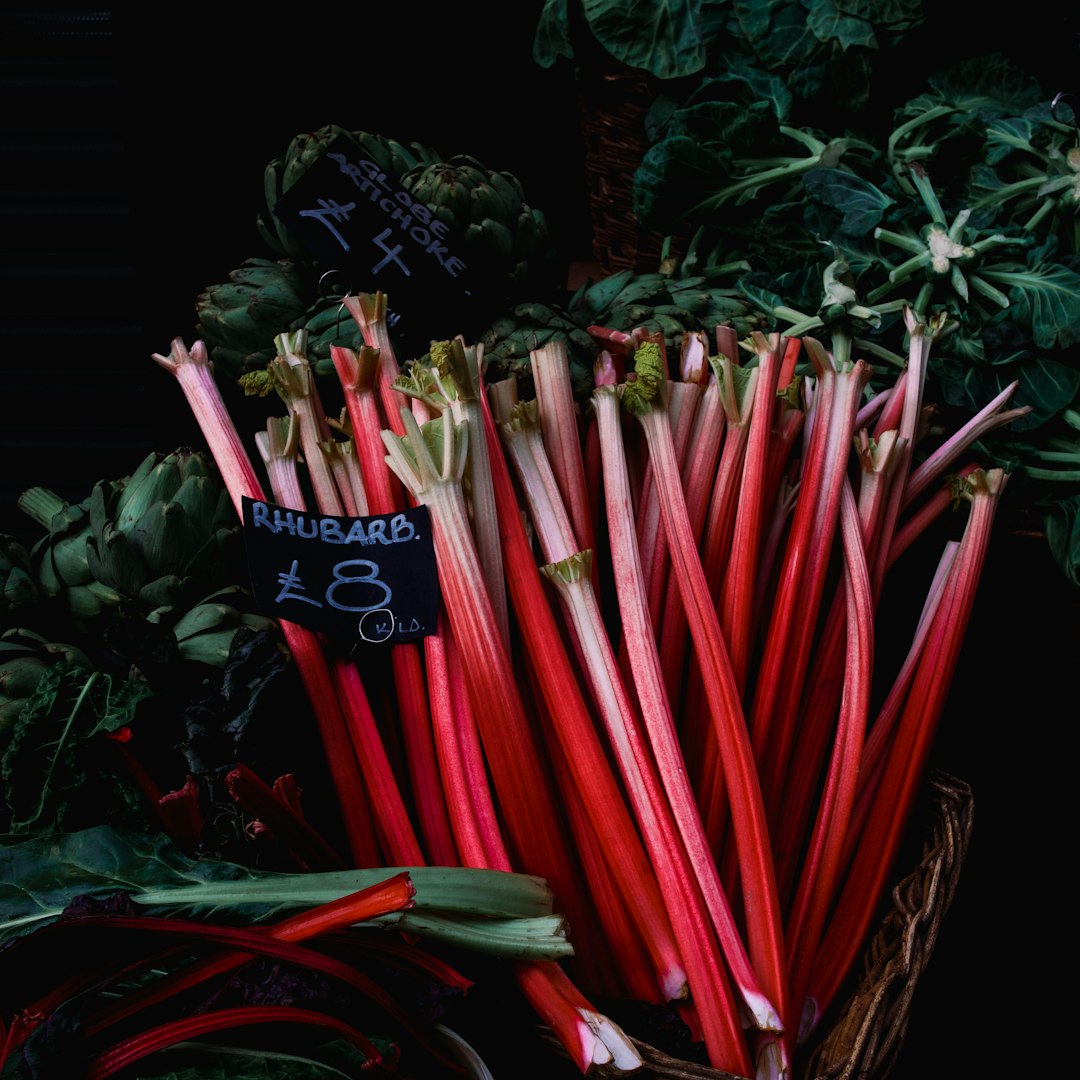
Candy-apple red stems and bronze to dark green, red-veined leaves. Moderate bolt tolerance. NOTE: Young Ruby Red plants may go to seed if exposed to sustained night temperatures in the low 50s; time sowings to avoid these conditions. Decorticated (rubbed), sized seeds.
Harvest
32d
Days to harvest
Sun
Full sun
Zones
1–11
USDA hardiness
Height
12-18 inches
Planting Timeline
Showing dates for Ruby Red or Rhubarb Chard in USDA Zone 7
All Zone 7 brassica →Zone Map
Click a state to update dates
Ruby Red or Rhubarb Chard · Zones 1–11
Growing Details
Succession Planting
Direct sow Ruby Red Chard every 3 weeks starting March 1 in zone 7, continuing through early May. Pick back up with sowings in late August through September for a fall run — chard handles light frost down to about 28°F and actually sweetens once temperatures drop below 50°F. Skip June through August when daytime highs are consistently above 90°F; germination gets unreliable and plants bolt or turn bitter fast. Each succession gives you harvestable leaves in about 32 days.
Complete Growing Guide
Growing Ruby Red or Rhubarb Chard (Beta vulgaris) brassica. Light: Full sun. Hardy in USDA zones 1 to 11. Days to maturity: 32. Difficulty: Easy.
Harvesting
Ready for harvest in 32 days from sowing or transplant. Harvest at peak ripeness for best flavor and storage life. Pick regularly to encourage continued production where applicable.
Storage & Preservation
Store freshly harvested Ruby Red chard in the refrigerator at 32–40°F with high humidity—a perforated plastic bag in the crisper drawer works well. Fresh leaves will keep for 7–10 days before wilting noticeably. For longer storage, freezing is ideal: blanch stems and leaves separately for 2–3 minutes, cool quickly in ice water, drain thoroughly, and pack into freezer bags or containers. Frozen chard retains good color and texture for up to eight months. Alternatively, dehydrate leaves at 95–115°F until crisp, then store in airtight containers for herbal tea or soups. Ruby Red's deep pigmentation remains vibrant when frozen, making it excellent for smoothies and cooked dishes where appearance matters. Avoid canning raw chard due to low acidity unless combined with acidified recipes.
History & Origin
Beta vulgaris (beet) is a species of flowering plant in the subfamily Betoideae of the family Amaranthaceae. It is a perennial plant usually growing up to 120 centimetres (4 ft) tall.
Advantages
- +Easy to grow — beginner-friendly
- +Quick harvest — ready in about 32 days
- +Wide hardiness — grows in USDA zones 1-11
Companion Plants
Onions and garlic planted every 12–18 inches through the chard rows help confuse aphids, which locate host plants largely by scent. Marigolds — Tagetes patula specifically, not the big African types — attract predatory wasps that prey on leaf miner adults and also deter spider mites with their root exudates. Radishes and carrots slot in cleanly as row-fillers because their root zones don't compete with chard's relatively shallow system, and they're pulled before they crowd anything. Fennel is the problem plant: it's broadly allelopathic to most brassicas and leafy greens, and it'll stunt neighboring chard noticeably — give it a bed of its own, at least 3 feet away.
Plant Together
Lettuce
Shallow roots don't compete, provides living mulch and maximizes space usage
Onions
Repel aphids, flea beetles, and other pests that commonly attack chard
Garlic
Natural pest deterrent, repels aphids and reduces fungal diseases
Carrots
Deep taproot breaks up soil while chard's shallow roots don't compete
Radishes
Quick-growing, helps break up soil and can be harvested before chard needs full space
Spinach
Similar growing requirements and compatible root systems, good succession planting
Marigolds
Repel aphids, whiteflies, and nematodes while attracting beneficial insects
Nasturtiums
Act as trap crop for aphids and flea beetles, drawing pests away from chard
Keep Apart
Pole Beans
Can shade chard excessively and compete for nutrients in the root zone
Corn
Creates too much shade and competes heavily for nutrients, stunting chard growth
Fennel
Allelopathic properties inhibit growth of most garden plants including chard
Nutrition Facts
Per 100g serving. % Daily Value based on 2,000 calorie diet. Source: USDA FoodData Central (FDC #747447)
Pests & Disease Resistance
Common Pests
Flea beetles, spider mites, aphids, leaf miners
Diseases
Leaf spot, powdery mildew, downy mildew
Troubleshooting Ruby Red or Rhubarb Chard
What you'll see, why it happens, and what to do about it.
Tiny irregular holes punched through young leaves, mostly on seedlings under 4 inches tall
Likely Causes
- Flea beetles (Phyllotreta spp.) — small, jumping beetles that feed heavily on tender new growth
- Plants stressed by inconsistent watering, which makes them slower to outgrow the damage
What to Do
- 1.Cover seedlings immediately with row cover (Agribon AG-19 or similar) and seal the edges — flea beetles find plants by sight and smell, and exclusion works better than sprays
- 2.Water consistently so plants grow fast enough to push past the vulnerable seedling stage
- 3.If pressure is severe, spinosad-based sprays are effective but apply in the evening to protect pollinators
Pale, winding trails or blotches tunneled through the leaf surface, mid-season
Likely Causes
- Leaf miners (Liriomyza spp.) — the larvae tunnel between the upper and lower leaf surfaces after eggs are laid by a small adult fly
- Dense plantings that make it harder to spot and remove affected leaves early
What to Do
- 1.Pick off and trash any leaf showing active tunnels — the larva is still inside and you'll break the cycle
- 2.Don't compost infested leaves; leaf miner pupae can overwinter in debris and reinfest the next planting
- 3.Row cover at transplant or direct sow prevents the adult fly from laying eggs in the first place
Grayish-white powdery coating on upper leaf surfaces, usually appearing after day 50 in warm, dry spells
Likely Causes
- Powdery mildew — a fungal disease that spreads via airborne spores and thrives when days are warm (70–85°F) and nights are cool
- Overcrowded spacing below 6 inches that restricts airflow between plants
What to Do
- 1.Space plants at least 6–8 inches apart and thin hard if you direct-seeded thick — airflow is your first line of defense
- 2.Strip heavily coated leaves and bin them; don't let them drop and sit on the soil
- 3.A diluted baking soda spray (1 tablespoon per gallon of water) or neem oil applied every 7 days can slow spread on plants you want to save
Frequently Asked Questions
How long does Ruby Red Chard take to grow?▼
Is Ruby Red Chard good for beginners?▼
Can you grow Ruby Red Chard in containers?▼
What does Ruby Red Chard taste like?▼
When should I plant Ruby Red Chard to avoid bolting?▼
How much sun and space does Ruby Red Chard need?▼
Zone-by-Zone Planting Calendar
| Zone | Indoor Start | Transplant | Direct Sow | Harvest |
|---|---|---|---|---|
| Zone 3 | March – April | May – June | May – June | June – October |
| Zone 4 | March – April | May – June | April – June | May – October |
| Zone 5 | February – March | April – May | April – May | May – November |
| Zone 6 | February – March | April – May | April – May | May – November |
| Zone 7 | February – March | April – May | March – May | April – November |
| Zone 8 | January – February | March – April | March – April | April – December |
| Zone 9 | January – January | February – March | February – March | March – December |
| Zone 10 | January – January | February – March | January – March | February – December |
| Zone 1 | April – May | June – July | June – July | July – September |
| Zone 2 | April – May | June – July | May – July | June – September |
| Zone 11 | January – January | January – February | January – February | January – December |
| Zone 12 | January – January | January – February | January – February | January – December |
| Zone 13 | January – January | January – February | January – February | January – December |
Growing Guides from Wind River Greens
Sources & References
External authority sources used in compiling this guide.
- BreederJohnny's Selected Seeds
- USDAUSDA FoodData Central
See the Methodology page for how this data is sourced, what's AI-assisted, and known limitations.