Peppermint
Beta vulgaris
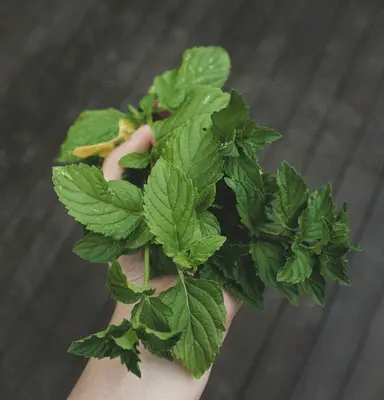
Peppermint is a heirloom Brassica cabbage variety prized for its distinctive pale green coloring and tender, crinkled leaves. Reaching maturity in approximately 60 days, this early-season cultivar offers a notably mild cabbage flavor with a crisp, delicate texture that makes it exceptionally versatile. The leaves are sweeter and more tender than traditional varieties, making Peppermint cabbage ideal for fresh, raw applications such as slaws and salads, while remaining excellent for light cooking. This easy-to-grow variety thrives in full sun with well-drained, fertile soil and is particularly valued by home gardeners seeking a refined cabbage experience.
Harvest
60d
Days to harvest
Sun
Full sun
Zones
3–11
USDA hardiness
Height
12-18 inches
Planting Timeline
Showing dates for Peppermint in USDA Zone 7
All Zone 7 brassica →Zone Map
Click a state to update dates
Peppermint · Zones 3–11
Growing Details
Succession Planting
Direct sow or transplant every 3 weeks from late March through early May for a spring run, then pick back up in August for fall. In zone 7, the spring window closes fast — once daytime highs are consistently above 80°F, heads will button up small or bolt before sizing. The fall succession is usually the more reliable of the two; cabbageworm and looper pressure is building through late summer, but cooler nights starting in October slow disease spread and firm up the heads.
Time your last fall sowing so you're a full 60 days out from your first expected frost — around mid-October in most of zone 7 — which puts your final direct sow around mid-August. Plants started after that tend to stall once soil temps drop below 45°F and won't put on meaningful size before hard frost.
Complete Growing Guide
Growing Peppermint (Beta vulgaris) brassica. Light: Full sun. Days to maturity: 60. Difficulty: Easy.
Harvesting
Peppermint reaches harvest at 60 bunching from sowing per Johnny's Selected Seeds.
Ready for harvest in 60 days from sowing or transplant. Harvest at peak ripeness for best flavor and storage life. Pick regularly to encourage continued production where applicable.
Storage & Preservation
# Storage and Preservation
Store freshly harvested peppermint leaves in the refrigerator at 35–40°F in a breathable cloth bag or paper towel–lined container to maintain air circulation and prevent moisture buildup. Avoid sealed plastic, which promotes rot. Fresh leaves keep for 7–10 days under these conditions, though flavor compounds fade after the first few days.
For longer storage, drying is ideal: hang bundles upside down in a warm, dark, well-ventilated space, or use a dehydrator at 95–105°F until leaves crumble easily. Dried peppermint stores for a year in airtight glass jars. Freezing works too—chop fresh leaves, place in ice cube trays with water, and freeze for convenient tea cubes lasting several months.
Peppermint freezes exceptionally well compared to many herbs, retaining its menthol punch better than most fresh-frozen alternatives.
History & Origin
Peppermint is open-pollinated, meaning seed saved from healthy plants will produce true-to-type offspring. Listed in the Johnny's Selected Seeds catalog.
Beta vulgaris (beet) is a species of flowering plant in the subfamily Betoideae of the family Amaranthaceae. It is a perennial plant usually growing up to 120 centimetres (4 ft) tall.
Advantages
- +Easy to grow — beginner-friendly
- +Quick harvest — ready in about 60 days
Companion Plants
Nasturtiums and radishes pull flea beetles and aphids away from your brassica heads — both species are more attractive targets, so the damage concentrates there instead. Onions and garlic work by a different mechanism: their sulfur compounds mask the host-plant odor that cabbageworm moths and flea beetles use to locate a crop. NC State Extension notes that mixing plant families this way can interrupt the attack's progress, because the attractive scent of the preferred plant gets diluted among unrelated neighbors. Marigolds get pushed hard in companion planting circles, and NC State is candid that the repellant claims are mostly unproven — they're still worth a row because they pull in parasitic wasps that lay eggs in cabbageworm larvae, and they don't compete for root space.
Keep tomatoes on the other side of the garden entirely — both are heavy feeders and they'll fight for the same nitrogen, with neither crop winning cleanly. Strawberries are a subtler problem: their low, spreading habit creates a dense mat against brassica stems that traps moisture and kills airflow. In our zone 7 Georgia garden, fall humidity is already working against you with black rot (Xanthomonas campestris) and alternaria leaf spot; a ground cover that holds dampness against the crown is about the last thing you want.
Plant Together
Nasturtiums
Acts as trap crop for flea beetles and aphids, protecting turnip leaves
Onions
Repels root maggots and cabbage worms that commonly attack brassicas
Garlic
Deters aphids, cabbage loopers, and other brassica pests with strong scent
Marigolds
Repels flea beetles and nematodes while attracting beneficial insects
Radishes
Quick-growing companion that loosens soil and may deter root flies
Lettuce
Provides ground cover, conserves moisture, and has similar growing requirements
Dill
Attracts beneficial wasps that prey on cabbage worms and aphids
Carrots
Different root depths prevent competition and carrots may improve soil structure
Keep Apart
Tomatoes
May stunt turnip growth and compete for nutrients, different pH preferences
Strawberries
Both are heavy feeders competing for nutrients, may inhibit turnip root development
Sunflowers
Allelopathic compounds can inhibit brassica growth and development
Nutrition Facts
Per 100g serving. % Daily Value based on 2,000 calorie diet. Source: USDA FoodData Central (FDC #173474)
Pests & Disease Resistance
Common Pests
Cabbage worms, flea beetles, aphids, cabbage loopers
Diseases
Clubroot, black rot, alternaria leaf spot
Troubleshooting Peppermint
What you'll see, why it happens, and what to do about it.
Ragged holes chewed through leaves, sometimes leaving only the leaf skeleton, starting soon after transplant
Likely Causes
- Imported cabbageworm (Pieris rapae) — white butterfly larvae that blend into the leaf surface
- Cabbage looper (Trichoplusia ni) — pale green caterpillar that arches its back when it moves
What to Do
- 1.Handpick caterpillars in the early morning when they're easiest to spot; drop them in soapy water
- 2.Spray Bacillus thuringiensis (Bt) on leaf undersides — it only works on young larvae, so apply early and repeat after rain
- 3.Cover transplants with floating row cover right at planting; leave it on until heads start to form
Tiny round pits scattered across leaves of young seedlings, giving foliage a shot-hole appearance
Likely Causes
- Flea beetles (Phyllotreta spp.) — small, shiny, fast-jumping beetles that feed most aggressively on stressed transplants
What to Do
- 1.Keep transplants well-watered at 1–1.5 inches per week — NC State Extension notes that plants under stress are more susceptible to insect damage, and flea beetles reliably exploit the difference
- 2.Apply a thick layer of straw mulch around the base to discourage beetles from emerging from the soil
- 3.If pressure is severe, dust with kaolin clay or apply a pyrethrin-based spray as a last resort
Plants wilt and collapse despite adequate water; roots show swollen, distorted knobs when pulled
Likely Causes
- Clubroot (Plasmodiophora brassicae) — a soil-borne pathogen that can persist in the ground for up to 20 years
- History of brassicas in the same bed without rotation
What to Do
- 1.Pull and trash infected plants immediately — do not compost them
- 2.Lime the bed to raise soil pH above 7.2; Plasmodiophora brassicae struggles in near-neutral to slightly alkaline soil
- 3.Rotate brassicas out of the affected bed for at least 3 years per NC State Extension's rotation guidelines — longer if you can manage it
Frequently Asked Questions
How long does it take to grow Peppermint cabbage from seed to harvest?▼
Is Peppermint cabbage a good choice for beginner gardeners?▼
Can you grow Peppermint cabbage in containers?▼
What does Peppermint cabbage taste like and how is it used?▼
When should I plant Peppermint cabbage seeds?▼
What are the spacing requirements for Peppermint cabbage?▼
Zone-by-Zone Planting Calendar
| Zone | Indoor Start | Transplant | Direct Sow | Harvest |
|---|---|---|---|---|
| Zone 1 | April – May | June – July | June – July | August – September |
| Zone 2 | April – May | June – July | May – July | July – September |
| Zone 11 | January – January | January – February | January – February | February – December |
| Zone 12 | January – January | January – February | January – February | February – December |
| Zone 13 | January – January | January – February | January – February | February – December |
| Zone 3 | March – April | May – June | May – June | July – October |
| Zone 4 | March – April | May – June | April – June | June – October |
| Zone 5 | February – March | April – May | April – May | June – November |
| Zone 6 | February – March | April – May | April – May | June – November |
| Zone 7 | February – March | April – May | March – May | May – November |
| Zone 8 | January – February | March – April | March – April | May – December |
| Zone 9 | January – January | February – March | February – March | April – December |
| Zone 10 | January – January | February – March | January – March | March – December |
Growing Guides from Wind River Greens
Sources & References
External authority sources used in compiling this guide.
- BreederJohnny's Selected Seeds
- USDAUSDA FoodData Central
See the Methodology page for how this data is sourced, what's AI-assisted, and known limitations.