Charbell
Beta vulgaris
Charbell was bred for cleaner, loftier, more colorful baby leaves, but we found it also performs very well at full size. Strong Cercospora resistance and upright habit for a healthy looking bunch. Vigorous plants with good bolt resistance and wide petioles. Unlike traditional magenta chard, Charbell is very bolt resistant. A premium baby leaf variety for its fast growth; brilliant deep magenta stems and veins; and heavy, textured leaves that create loft in salad mixes.
Harvest
28d
Days to harvest
Sun
Full sun
Zones
3–11
USDA hardiness
Height
18-24 inches
Planting Timeline
Showing dates for Charbell in USDA Zone 7
All Zone 7 brassica →Zone Map
Click a state to update dates
Charbell · Zones 3–11
Growing Details
Succession Planting
Charbell matures in 28 days as a baby leaf, which makes succession planting worth the small effort. In zone 7, direct sow every 14 days starting March 1 through late April; pause once daytime highs hold consistently above 85°F. Chard tolerates heat better than spinach or lettuce, but leaf quality drops and the window for tender baby-leaf harvest shrinks fast. Pick back up around August 15 and sow every 14–21 days through mid-October to carry harvest into November.
For a market garden or CSA context, three or four staggered beds keeps a steady cut-and-come-again supply without a glut. If you're growing to full size at 12–18 inch spacing, stretch the interval to 21 days — each plant yields over a longer window and you won't need the volume. The UGA Extension Vegetable Garden Calendar recommends keeping a log of problems and successful techniques by season; for a crop this fast, one season's notes pay off immediately the next.
Complete Growing Guide
Growing Charbell (Beta vulgaris) brassica. Light: Full sun. Days to maturity: 28. Difficulty: Easy.
Harvesting
Ready for harvest in 28 days from sowing or transplant. Harvest at peak ripeness for best flavor and storage life. Pick regularly to encourage continued production where applicable.
Storage & Preservation
Harvest Charbell beets at 28 days for peak tenderness, then store unwashed roots in a cool cellar or refrigerator at 32–40°F with 90–95% humidity—a perforated plastic bag works well. Remove greens before storage to prevent moisture loss from the root. Under these conditions, roots keep 3–4 months. Fresh greens should be used within a week.
For preservation, roasting and freezing captures flavor effectively: cube beets, roast at 400°F until tender, cool completely, then freeze in airtight containers for up to eight months. Pickling is another excellent option—pack hot beets into jars with vinegar, spices, and salt, then process. Charbell's deep color and mild earthiness make it particularly suited to fermentation; shred or cube the roots, combine with salt brine, and ferment at room temperature for added complexity.
History & Origin
Charbell is an F1 hybrid developed through controlled cross-pollination. Listed in the Johnny's Selected Seeds catalog.
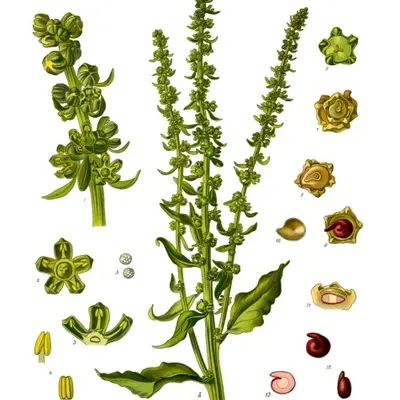
Beta vulgaris (beet) is a species of flowering plant in the subfamily Betoideae of the family Amaranthaceae. It is a perennial plant usually growing up to 120 centimetres (4 ft) tall.
Advantages
- +Easy to grow — beginner-friendly
- +Quick harvest — ready in about 28 days
Companion Plants
In our zone 7 Georgia garden, onions and carrots are the most practical companions for Charbell — they root at different depths (onions stay shallow, carrots go down 10–12 inches), so there's no real fight for water or nutrients, and their scent dilutes the chemical signals that draw aphids and flea beetles to the chard. NC State Extension's IPM guidance specifically identifies this odor-masking effect as one of the more defensible mechanisms behind interplanting. Nasturtiums work well at the bed edge as a trap crop for aphids, pulling them off the chard leaves. Keep pole beans out — they're allelopathic to Beta vulgaris crops, and tomatoes are poor neighbors because their peak water and fertility demands overlap directly with chard's most productive window, putting both crops under stress at the same time.
Plant Together
Dill
Attracts beneficial insects like parasitic wasps that control cabbage worms
Nasturtiums
Acts as trap crop for aphids and flea beetles, protecting brassicas
Onions
Repels cabbage maggots, aphids, and cabbage worms with strong sulfur compounds
Marigolds
Deters flea beetles and aphids while attracting beneficial predatory insects
Lettuce
Provides ground cover and utilizes different soil nutrients, maximizing space
Carrots
Helps break up soil for brassica roots and doesn't compete for same nutrients
Mint
Repels ants, aphids, and cabbage moths with strong aromatic oils
Spinach
Compatible growth habits and helps suppress weeds around brassicas
Keep Apart
Tomatoes
Can inhibit brassica growth and both plants compete for similar soil nutrients
Strawberries
Both plants are susceptible to similar fungal diseases and may cross-contaminate
Pole Beans
Can stunt brassica growth through root competition and nitrogen fixation interference
Nutrition Facts
Per 100g serving. % Daily Value based on 2,000 calorie diet. Source: USDA FoodData Central (FDC #747447)
Pests & Disease Resistance
Common Pests
Beet armyworm, spinach flea beetle, aphids
Diseases
Cercospora leaf spot (minimal in Charbell due to breeding), powdery mildew in humid conditions
Troubleshooting Charbell
What you'll see, why it happens, and what to do about it.
Irregular tan or gray spots with reddish-purple borders appearing on older leaves, sometimes with a dusty white coating on the leaf surface in humid weather
Likely Causes
- Cercospora leaf spot (Cercospora beticola) — Charbell has bred-in tolerance but isn't immune under heavy disease pressure
- Powdery mildew — spikes when nights are cool and humidity stays high, common in Georgia's fall shoulder season
What to Do
- 1.Strip and trash (don't compost) affected leaves as soon as you notice them — slowing spread buys you weeks of harvest
- 2.Thin to at least 4 inches between plants; overcrowded beds trap humidity right at leaf level, per NC State Extension's guidance on air circulation and disease management
- 3.Switch to drip irrigation or water early morning so foliage dries before nightfall — evening overhead watering is one of the fastest ways to move this along
Ragged holes chewed through leaves, or leaves reduced to just the mid-rib, sometimes overnight
Likely Causes
- Beet armyworm (Spodoptera exigua) — populations build through spring and summer and peak hard in fall plantings
- Spinach flea beetle (Disonycha xanthomelas) — leaves a characteristic shothole pattern, especially on seedlings under 4 inches tall
What to Do
- 1.Check leaf undersides for beet armyworm egg masses — they look like fuzzy white clusters — and crush them before they hatch
- 2.Cover the bed with row cover immediately after direct sowing to block flea beetle pressure; remove once plants hit 6 inches
- 3.For heavy armyworm populations, apply Bt (Bacillus thuringiensis) in the evening when larvae are actively feeding — it won't affect beneficial insects
Frequently Asked Questions
How long does Charbell chard take to grow?▼
Can you grow Charbell chard in containers?▼
Is Charbell chard good for beginners?▼
What does Charbell chard taste like?▼
When should I plant Charbell chard?▼
Why is Charbell chard more expensive than other varieties?▼
Zone-by-Zone Planting Calendar
| Zone | Indoor Start | Transplant | Direct Sow | Harvest |
|---|---|---|---|---|
| Zone 3 | March – April | May – June | May – June | May – October |
| Zone 4 | March – April | May – June | April – June | May – October |
| Zone 5 | February – March | April – May | April – May | May – November |
| Zone 6 | February – March | April – May | April – May | April – November |
| Zone 7 | February – March | April – May | March – May | April – November |
| Zone 8 | January – February | March – April | March – April | March – December |
| Zone 9 | January – January | February – March | February – March | February – December |
| Zone 10 | January – January | February – March | January – March | February – December |
| Zone 1 | April – May | June – July | June – July | June – September |
| Zone 2 | April – May | June – July | May – July | June – September |
| Zone 11 | January – January | January – February | January – February | January – December |
| Zone 12 | January – January | January – February | January – February | January – December |
| Zone 13 | January – January | January – February | January – February | January – December |
Growing Guides from Wind River Greens
Sources & References
External authority sources used in compiling this guide.
- BreederJohnny's Selected Seeds
- USDAUSDA FoodData Central
See the Methodology page for how this data is sourced, what's AI-assisted, and known limitations.