Best Root Vegetables to Grow in Nevada
Nevada spans USDA Zones 4–10, typically Zone 7. We've broken out 56 root vegetable varieties by zone — pick your zone below or find the right varieties for your specific part of the state.
Varieties
56
for Nevada
USDA
Zones 4–10
135–320 days season
Beginner
40
easy to grow
Heirloom
30
heritage varieties
Nevada in USDA Zones 4–10
Nevada spans Zones 4–10. Variety lists below are organized by zone — start with your zone for the most accurate recommendations.
Growing Root Vegetables in Nevada
Zone 7 gardeners hit the sweet spot for root vegetable cultivation, with a generous 210-day growing season that extends from early April through late October. This extended season allows you to grow both quick-maturing varieties for continuous harvests and longer-season storage types that need time to develop their full flavor and size. The moderate climate means you can start cool-season crops early and extend harvests well into fall, when many root vegetables actually improve in sweetness after light frosts.
The key to success in Zone 7 is selecting varieties that can handle the transition from cool spring weather through hot summers and back to cool fall conditions. Look for heat-tolerant varieties that won't bolt prematurely during summer heat waves, and cold-hardy types that can withstand those occasional late spring or early fall temperature dips. The varieties I've selected here have proven themselves in Zone 7's variable conditions, offering reliable performance whether you're growing for fresh eating or winter storage.
What makes these particular varieties exceptional for Zone 7 is their adaptability to temperature swings and their ability to maintain quality through extended growing periods. From quick-turnover radishes that can be succession planted throughout the season to storage beets and carrots that sweeten up beautifully with fall's cool nights, these selections will keep your root vegetable harvests abundant from spring through winter storage.
Zone 7 Root Vegetables for Nevada★ Most of NV
56 varieties · Last frost April 1 · 210-day season
Zone 6 Root Vegetables for Nevada
56 varieties · Last frost April 15 · 180-day season
Zone 8 Root Vegetables for Nevada
56 varieties · Last frost March 15 · 240-day season
Zone 5 Root Vegetables for Nevada
56 varieties · Last frost April 30 · 155-day season
Zone 9 Root Vegetables for Nevada
56 varieties · Last frost February 15 · 290-day season
Zone 4 Root Vegetables for Nevada
56 varieties · Last frost May 10 · 135-day season
Zone 10 Root Vegetables for Nevada
56 varieties · Last frost January 31 · 320-day season
Zone 7 Growing Tips for Nevada
In Zone 7, start your first plantings of cool-season root vegetables 2-3 weeks before your average last frost date, which puts you in mid-March for early varieties like radishes and turnips. The soil is usually workable by then, and these hardy crops can handle light frosts. For main-season carrots and beets, plant right around your April 1st average last frost date when soil temperatures consistently reach 45-50°F. The beauty of Zone 7 is that you can succession plant quick crops like radishes every 2 weeks through September, and start your storage crops for winter harvest in mid to late July.
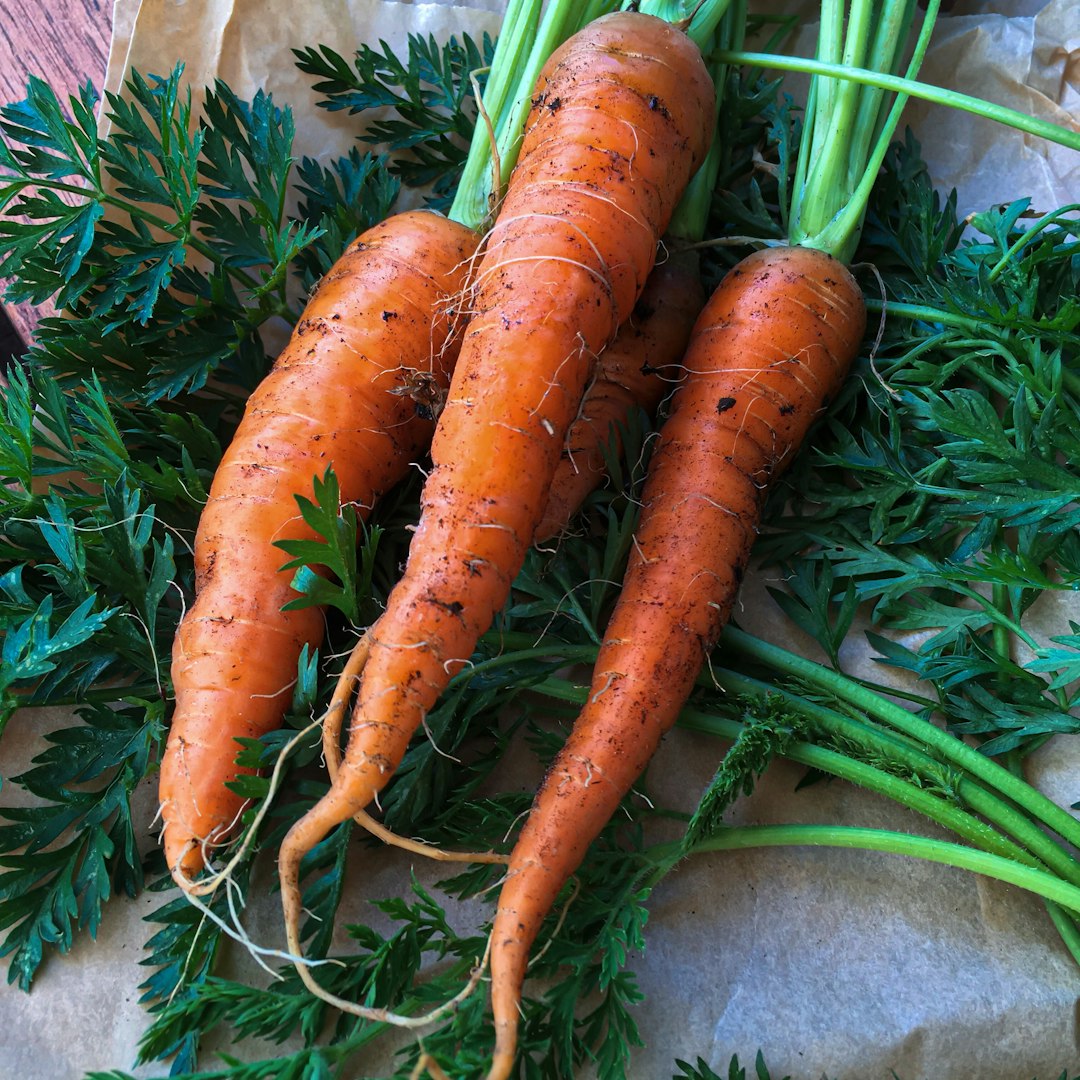
Summer heat management becomes crucial during July and August when temperatures soar. Provide afternoon shade for continuing harvests, mulch heavily to keep soil cool and retain moisture, and focus on heat-tolerant varieties like Bolero carrots and Red Ace beets during this period. This is also when you'll start your fall and storage crops – plant carrots for winter harvest in late July, and get your storage beets and turnips in the ground by early August to give them time to size up before the first frost.
Take advantage of Zone 7's late first frost by extending your season with row covers and cold frames. Many root vegetables like carrots, beets, and turnips actually improve in flavor after light frosts, becoming noticeably sweeter. You can often harvest fresh carrots and beets right through December with minimal protection, and properly stored crops will keep you in homegrown root vegetables well into spring.