Best Root Vegetables to Grow in Alabama
Alabama spans USDA Zones 7–9, typically Zone 8. We've broken out 56 root vegetable varieties by zone — pick your zone below or find the right varieties for your specific part of the state.
Varieties
56
for Alabama
USDA
Zones 7–9
210–290 days season
Beginner
40
easy to grow
Heirloom
30
heritage varieties
Alabama in USDA Zones 7–9
Alabama spans Zones 7–9. Variety lists below are organized by zone — start with your zone for the most accurate recommendations.
Growing Root Vegetables in Alabama
Zone 8's extended growing season and mild winters create exceptional opportunities for root vegetable cultivation, though the long, hot summers present unique challenges. With an average of 240 frost-free days, you can successfully grow both quick-maturing varieties for summer harvests and storage types that develop their best flavor during the cooler months. The key is selecting varieties that can handle temperature swings and choosing the right planting windows to avoid the intense summer heat that can make roots woody and bitter.
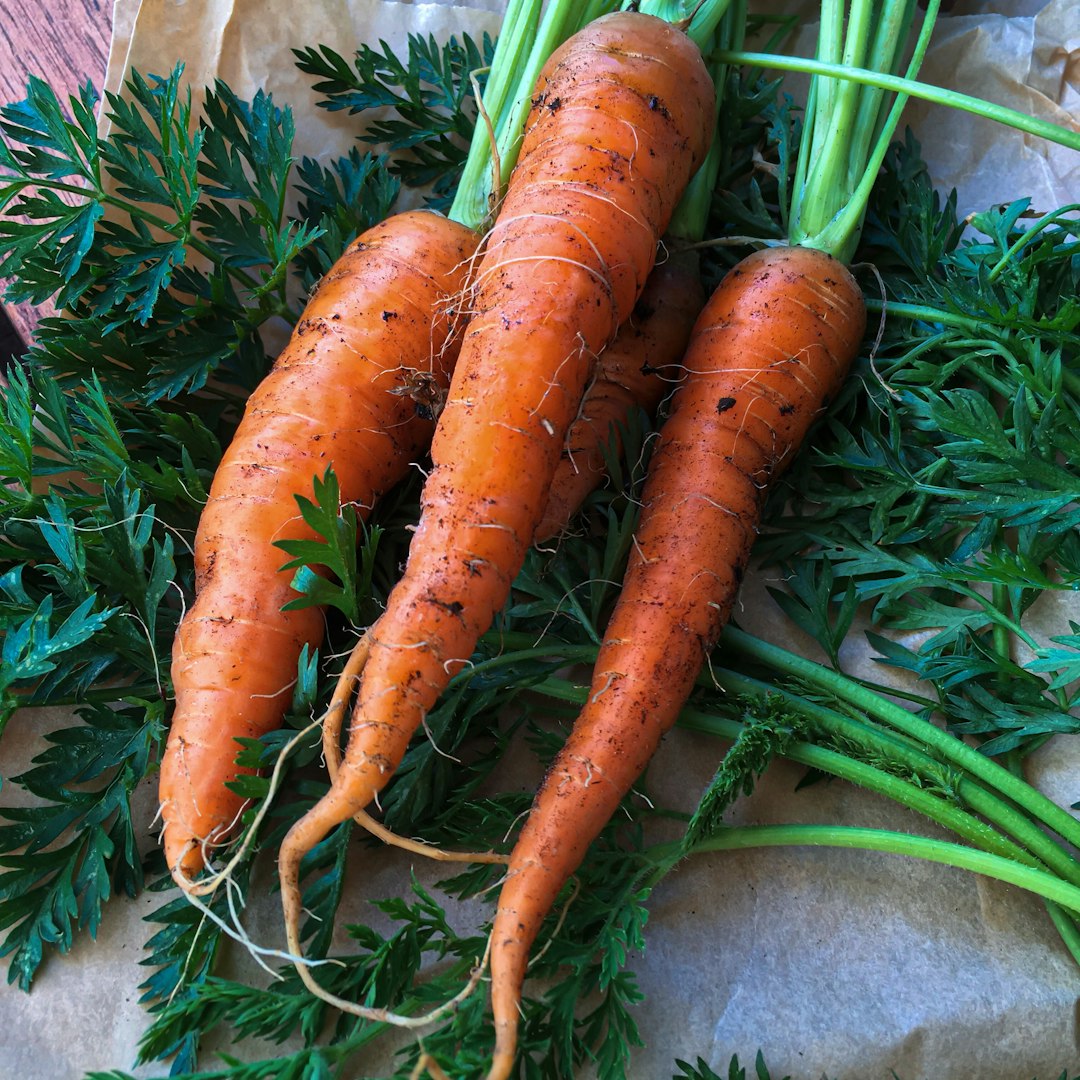
The varieties listed here have been specifically chosen for their performance in Zone 8's climate. Look for heat-tolerant options like Bolero carrots and Tokyo Cross turnips for spring plantings, while storage varieties like Storage #4 rutabaga and Danvers Half Long carrots excel when planted for fall harvest. Many of these roots actually improve in flavor after experiencing light frosts, making Zone 8's November frost date perfect for developing that characteristic sweet, crisp texture that makes homegrown root vegetables so superior to store-bought options.
Zone 8 Root Vegetables for Alabama★ Most of AL
56 varieties · Last frost March 15 · 240-day season
Zone 7 Root Vegetables for Alabama
56 varieties · Last frost April 1 · 210-day season
Zone 9 Root Vegetables for Alabama
56 varieties · Last frost February 15 · 290-day season
Zone 8 Growing Tips for Alabama
In Zone 8, timing is everything for root vegetable success. Start your first sowings 2-3 weeks before your March 15 last frost date for cool-season varieties like radishes, turnips, and carrots. These crops can handle light frosts and will mature before summer heat sets in. For continuous harvests, make successive plantings every 2-3 weeks through April, then pause during the hottest months of July and August when root quality suffers.
Resume planting in late August through September for your main fall crop, which often produces the best-quality roots of the year. The cooling temperatures from October through November allow roots to develop proper sweetness and texture. Beets are particularly forgiving and can be planted throughout the growing season, though spring and fall plantings consistently outperform summer ones. Always direct seed root vegetables rather than transplanting, as disturbed roots often become forked or stunted.