Best Root Vegetables to Grow in Indiana
Indiana spans USDA Zones 5–7, typically Zone 6. We've broken out 56 root vegetable varieties by zone — pick your zone below or find the right varieties for your specific part of the state.
Varieties
56
for Indiana
USDA
Zones 5–7
155–210 days season
Beginner
40
easy to grow
Heirloom
30
heritage varieties
Indiana in USDA Zones 5–7
Indiana spans Zones 5–7. Variety lists below are organized by zone — start with your zone for the most accurate recommendations.
Growing Root Vegetables in Indiana
Zone 6 gardeners hit the sweet spot for root vegetable cultivation, with a generous 180-day growing season that runs from mid-April through mid-October. This extended window allows you to grow both quick-maturing spring crops like radishes and turnips, plus long-season storage varieties that can handle the gradual cooling of fall. The moderate climate means you avoid the extreme heat that can make carrots bitter and beets woody, while still getting enough warm weather to develop full-sized storage roots.
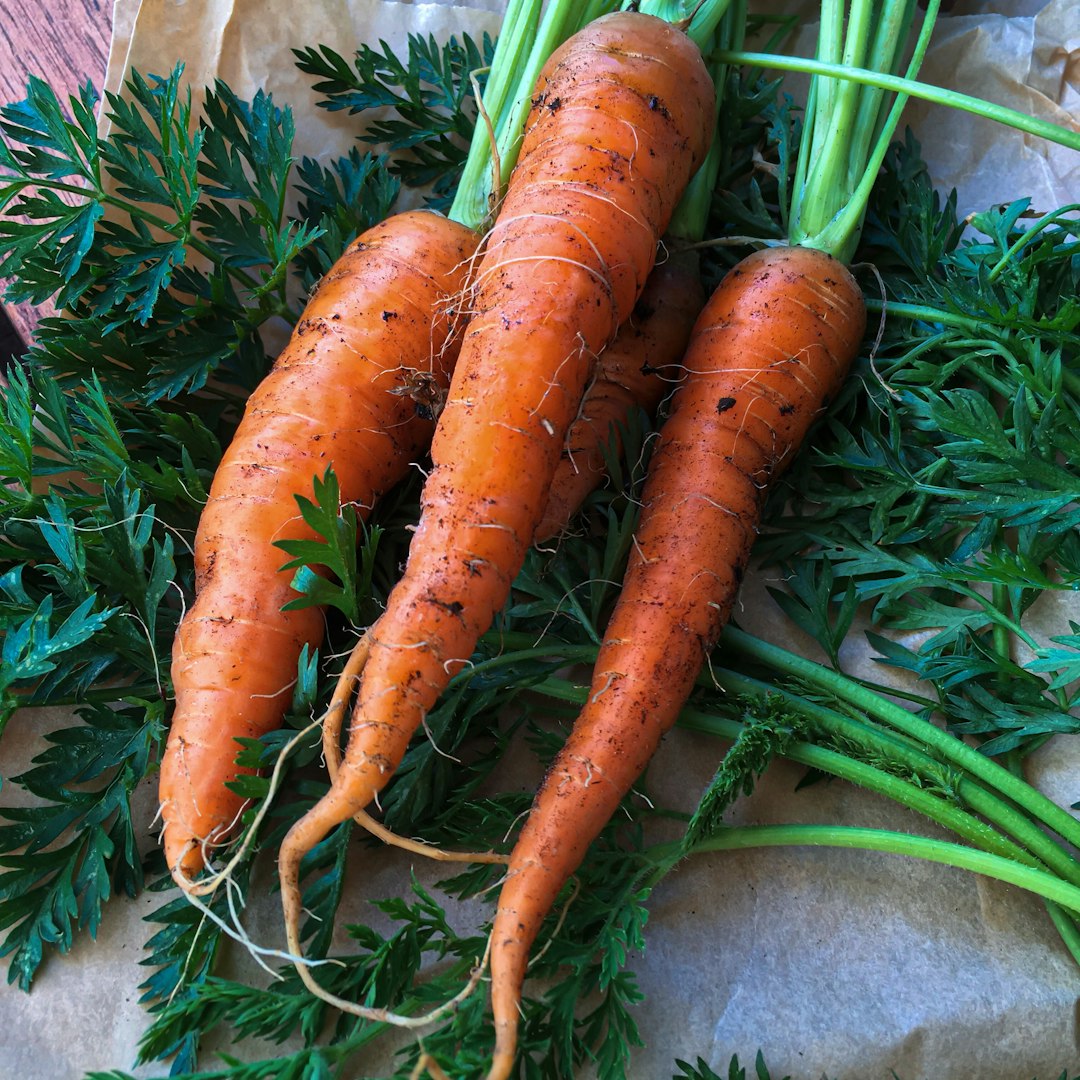
The key to success in Zone 6 is choosing varieties that match your intended harvest timing and storage needs. Early varieties like French Breakfast radishes and Tokyo Cross turnips capitalize on cool spring conditions, while storage champions like Danvers Half Long carrots and Storage #4 rutabagas use the full season to develop their keeping quality. The gradual temperature transition in fall actually improves flavor in many root crops, as starches convert to sugars during those first light frosts.
These hand-picked varieties have proven themselves reliable performers in Zone 6's climate patterns. They're selected for their ability to germinate well in spring soil conditions, tolerate summer heat without bolting or becoming tough, and many improve in quality during the natural cooling period that extends your harvest well into November with simple protection.
Zone 6 Root Vegetables for Indiana★ Most of IN
56 varieties · Last frost April 15 · 180-day season
Zone 5 Root Vegetables for Indiana
56 varieties · Last frost April 30 · 155-day season
Zone 7 Root Vegetables for Indiana
56 varieties · Last frost April 1 · 210-day season
Zone 6 Growing Tips for Indiana
Start your root vegetable succession in Zone 6 by sowing cold-hardy varieties like carrots, beets, and turnips 2-3 weeks before your average last frost date—around late March to early April. The soil temperature matters more than air temperature for germination, so wait until soil reaches at least 40°F for most crops, though radishes will germinate in even cooler conditions. Plant warm-season root crops like daikon radishes after soil warms to 50°F, typically by early May.
Succession planting every 2-3 weeks through summer keeps your harvest steady, but adjust your timing for fall crops by counting backward from your first frost date. Plant storage varieties like Danvers Half Long carrots and rutabagas in mid to late July for October harvest, while quick radishes can go in as late as early September. The gradual cooling in Zone 6 means many root crops actually improve after light frosts, so don't rush to harvest everything at the first freeze warning.
Extend your season by using row covers or cold frames when temperatures start dipping into the 20s consistently. Many root crops like carrots and parsnips can overwinter in Zone 6 with heavy mulch protection, giving you fresh harvests during winter thaws. Watch for common Zone 6 challenges like carrot rust fly in mid-summer and flea beetles on turnips during hot spells—row covers during vulnerable periods solve both problems.