Best Native Wildflowers to Grow in Hawaii
Hawaii spans USDA Zones 10–13, typically Zone 10. We've broken out 10 native wildflower varieties by zone — pick your zone below or find the right varieties for your specific part of the state.
Varieties
10
for Hawaii
USDA
Zones 10–13
320–365 days season
Beginner
10
easy to grow
Heirloom
6
heritage varieties
Hawaii in USDA Zones 10–13
Hawaii spans Zones 10–13. Variety lists below are organized by zone — start with your zone for the most accurate recommendations.
Growing Native Wildflowers in Hawaii
Zone 10's tropical and subtropical climate offers native wildflower enthusiasts an incredible 320-day growing season and the luxury of gardening year-round. With your last frost typically arriving around January 31st and the first frost not appearing until mid-December, you have opportunities that gardeners in colder zones only dream of. However, this extended warmth brings its own set of challenges – intense summer heat, high humidity, and the need to select varieties that can handle both the scorching summers and the occasional cool snaps that define your region.
The key to wildflower success in Zone 10 lies in choosing varieties that either thrive in heat or can take advantage of your cooler months for peak performance. Look for native species with deep root systems, waxy or fuzzy leaves that resist moisture loss, and those that naturally bloom during cooler periods. Many traditional 'summer' wildflowers actually perform better as fall, winter, or early spring bloomers in your zone.
The varieties listed here have been specifically chosen for their ability to handle Zone 10's unique conditions. Heat-lovers like Lanceleaf Coreopsis and Blanket Flower will bloom through your intense summers, while cooler-season performers like Sweet Alyssum and California Poppy can provide stunning displays during your mild winters when most other zones are dormant.
Zone 10 Native Wildflowers for Hawaii★ Most of HI
10 varieties · Last frost January 31 · 320-day season
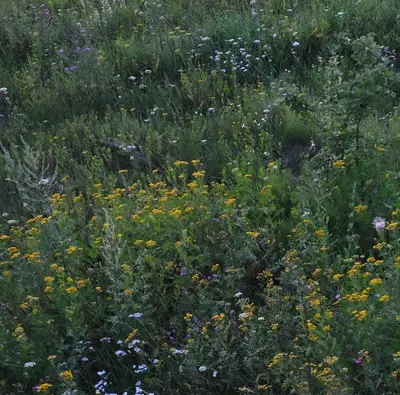
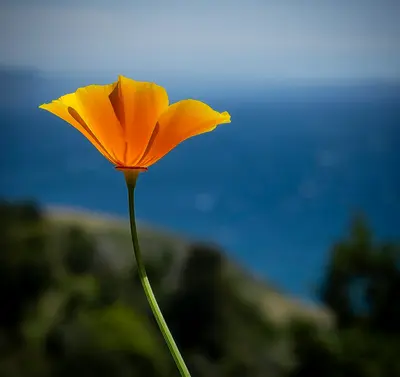
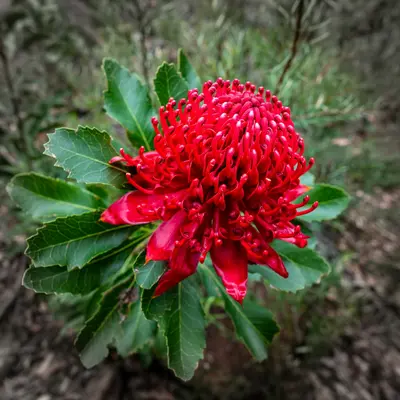
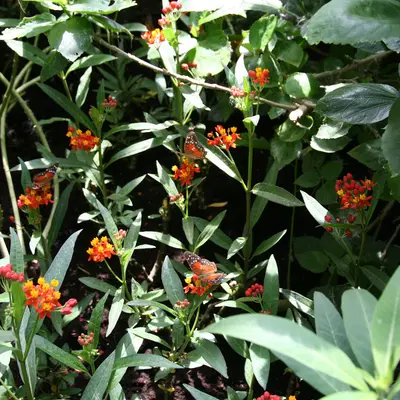
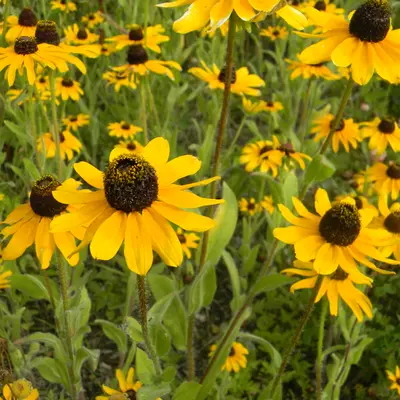
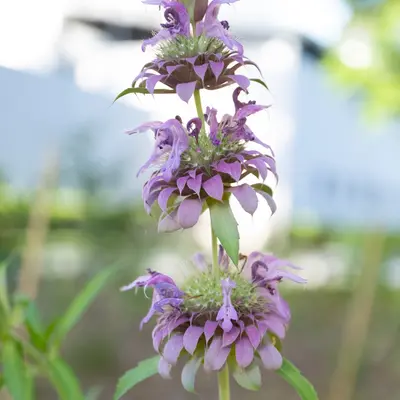
Zone 11 Native Wildflowers for Hawaii
4 varieties · Year-round growing
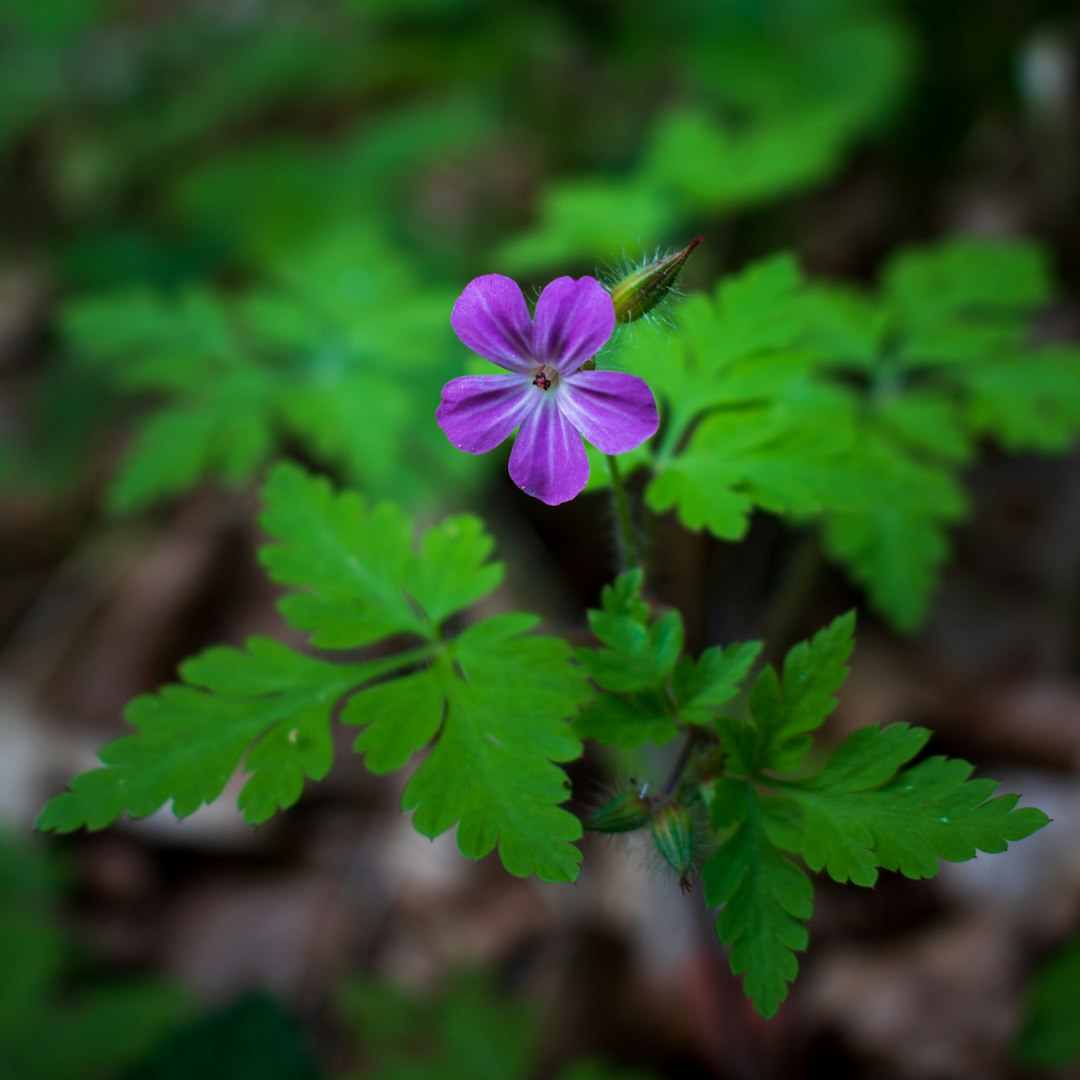
Zone 12 Native Wildflowers for Hawaii
1 variety · Year-round growing
Zone 10 Growing Tips for Hawaii
In Zone 10, timing your wildflower plantings is crucial for success. Start cool-season varieties like Wild Columbine, Sweet Alyssum, and Wild Lupine from seed in late October through December, taking advantage of your mild winter temperatures for germination and establishment. These plants will develop strong root systems during the cooler months and bloom beautifully in spring before summer heat sets in. For heat-tolerant species like Purple Coneflower, Black-Eyed Susan, and Bee Balm, the best planting window is February through April, giving them time to establish before your most intense summer heat arrives.
Transplanting seedlings requires careful attention to your microclimate and seasonal patterns. Even though your average last frost is January 31st, always have frost protection ready for tender seedlings during those occasional cold snaps. Row covers, cloches, or even moving containers to protected areas can save young plants from unexpected temperature drops. During summer months, focus on deep, infrequent watering in the early morning to help plants cope with heat stress, and consider temporary shade cloth for newly transplanted seedlings.
Your biggest challenge will be managing the intense summer heat and humidity that can stress even heat-tolerant natives. Plant in locations with morning sun and afternoon shade when possible, mulch heavily to keep roots cool and retain moisture, and choose varieties like Spiderwort and Wild Ginger that naturally prefer some shade. Consider succession planting cool-season annuals every 4-6 weeks from October through February to extend bloom times throughout your comfortable months.