Best Berries & Fruits to Grow in Hawaii
Hawaii spans USDA Zones 10–13, typically Zone 10. We've broken out 9 berry varieties by zone — pick your zone below or find the right varieties for your specific part of the state.
Varieties
9
for Hawaii
USDA
Zones 10–13
320–365 days season
Beginner
3
easy to grow
Heirloom
3
heritage varieties
Hawaii in USDA Zones 10–13
Hawaii spans Zones 10–13. Variety lists below are organized by zone — start with your zone for the most accurate recommendations.
Growing Berries & Fruits in Hawaii
Zone 10 presents both incredible opportunities and unique challenges for berry growing. With nearly 320 frost-free days from February through mid-December, you have an exceptionally long growing season that most gardeners can only dream of. However, the intense heat and humidity that define this zone can stress many traditional berry varieties, making variety selection absolutely critical for success.
The key to thriving berries in Zone 10 is choosing heat-tolerant cultivars and understanding that your main growing challenges will be managing summer heat stress, providing adequate water during dry periods, and dealing with the rapid pace of growth that warm temperatures encourage. Look for varieties specifically bred for southern climates or those with proven track records in hot, humid conditions.
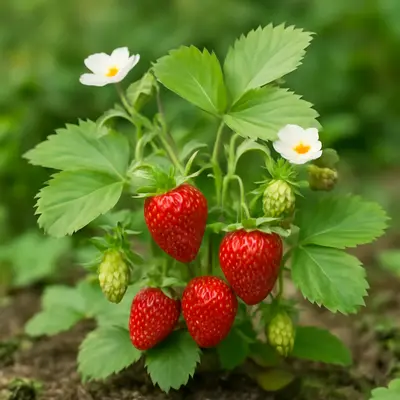
Our carefully selected varieties for Zone 10 include heat-adapted blueberries like Emerald and Elliott, day-neutral strawberries that can handle warm weather, and robust brambles like Natchez and Prime-Ark Freedom that actually thrive in southern heat. These aren't just varieties that will survive in Zone 10 – they're selections that will genuinely flourish and produce abundant, flavorful fruit in your climate.
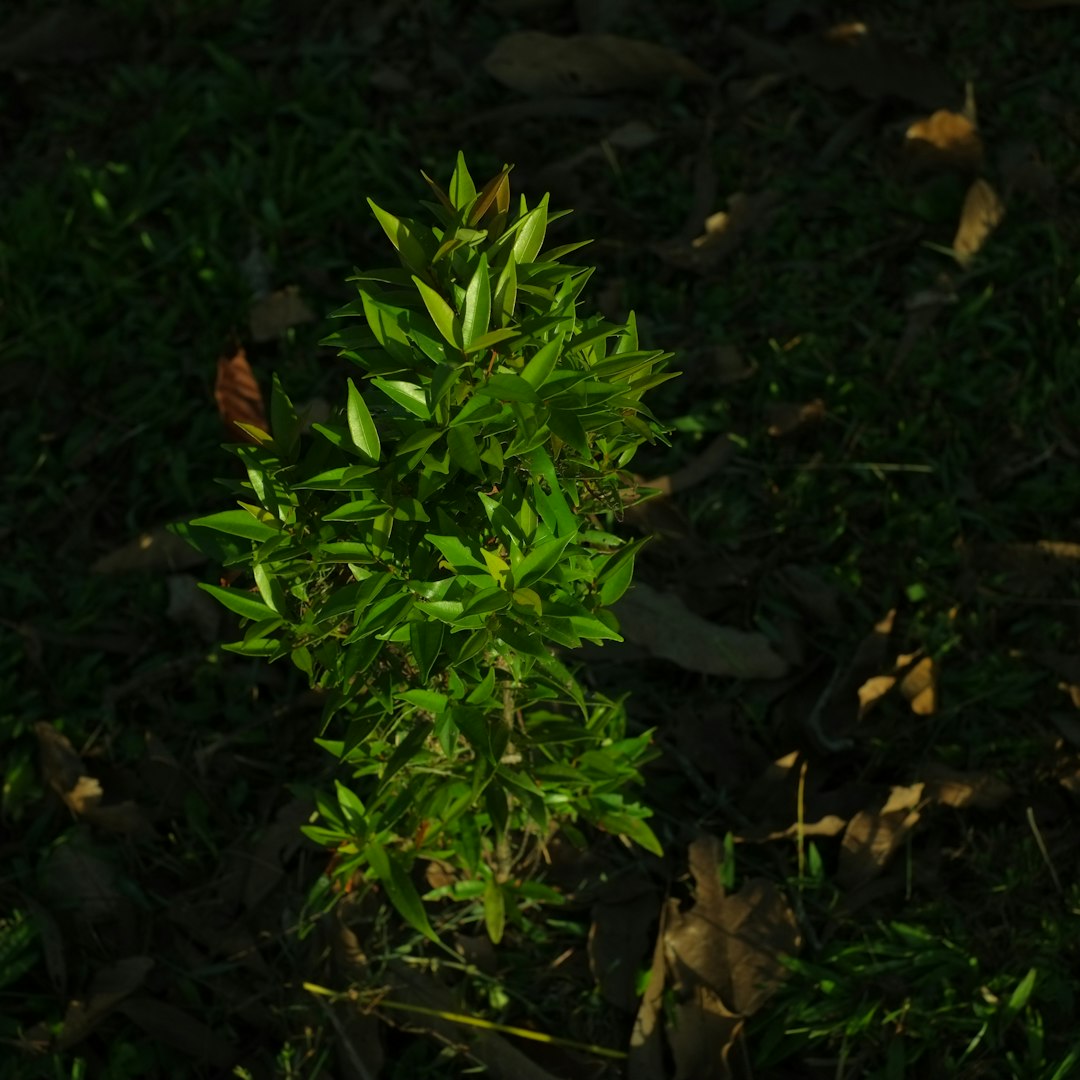
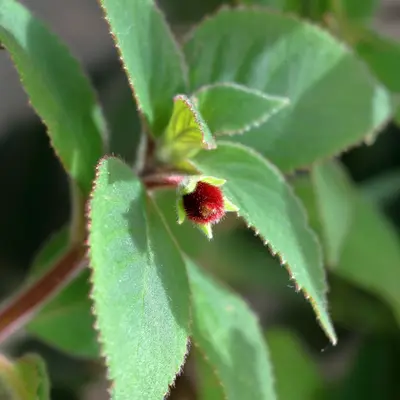
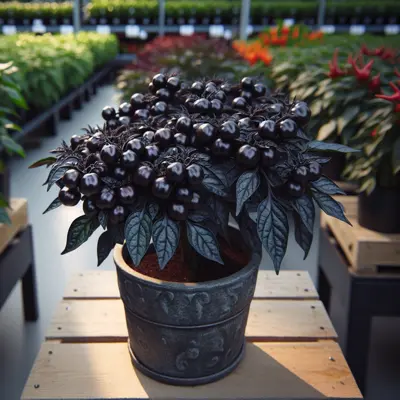
Zone 10 Berries & Fruits for Hawaii★ Most of HI
9 varieties · Last frost January 31 · 320-day season
Zone 11 Berries & Fruits for Hawaii
1 variety · Year-round growing
Zone 10 Growing Tips for Hawaii
In Zone 10, timing is everything when establishing berry plants. Plant bareroot stock in late January through early March, taking advantage of the cooler temperatures and increased rainfall typical of late winter and early spring. This gives plants time to establish strong root systems before the intense summer heat arrives. Container plants can be planted year-round, but avoid the hottest months (June through August) unless you're prepared to provide daily watering and afternoon shade.
Summer heat management is your biggest challenge – most berries benefit from afternoon shade during the hottest months, either from strategically planted trees or shade cloth providing 30-40% coverage. Mulching is absolutely essential; maintain a 3-4 inch layer of organic mulch around all plants to keep roots cool and conserve moisture. Drip irrigation or soaker hoses work far better than overhead watering, which can promote fungal diseases in the humid conditions.
Unlike northern gardeners who worry about late frosts, your concern is the opposite – many berry varieties need winter chill hours to fruit properly. This is why varieties like Emerald blueberry and day-neutral strawberries are so valuable in Zone 10; they're specifically bred to produce well with minimal winter chilling.