Best Root Vegetables to Grow in Florida
Florida spans USDA Zones 8–11, typically Zone 9. We've broken out 56 root vegetable varieties by zone — pick your zone below or find the right varieties for your specific part of the state.
Varieties
56
for Florida
USDA
Zones 8–11
240–365 days season
Beginner
40
easy to grow
Heirloom
30
heritage varieties
Florida in USDA Zones 8–11
Florida spans Zones 8–11. Variety lists below are organized by zone — start with your zone for the most accurate recommendations.
Growing Root Vegetables in Florida
Zone 9 gardeners hit the root vegetable jackpot with nearly 290 frost-free days stretching from mid-February to December. This extended growing season means you can succession plant quick-maturing crops like radishes and turnips multiple times, while still having plenty of time for slower-developing storage roots like rutabagas. The challenge isn't time—it's heat. Summer temperatures can stress cool-season root vegetables, causing them to bolt, turn woody, or develop bitter flavors.
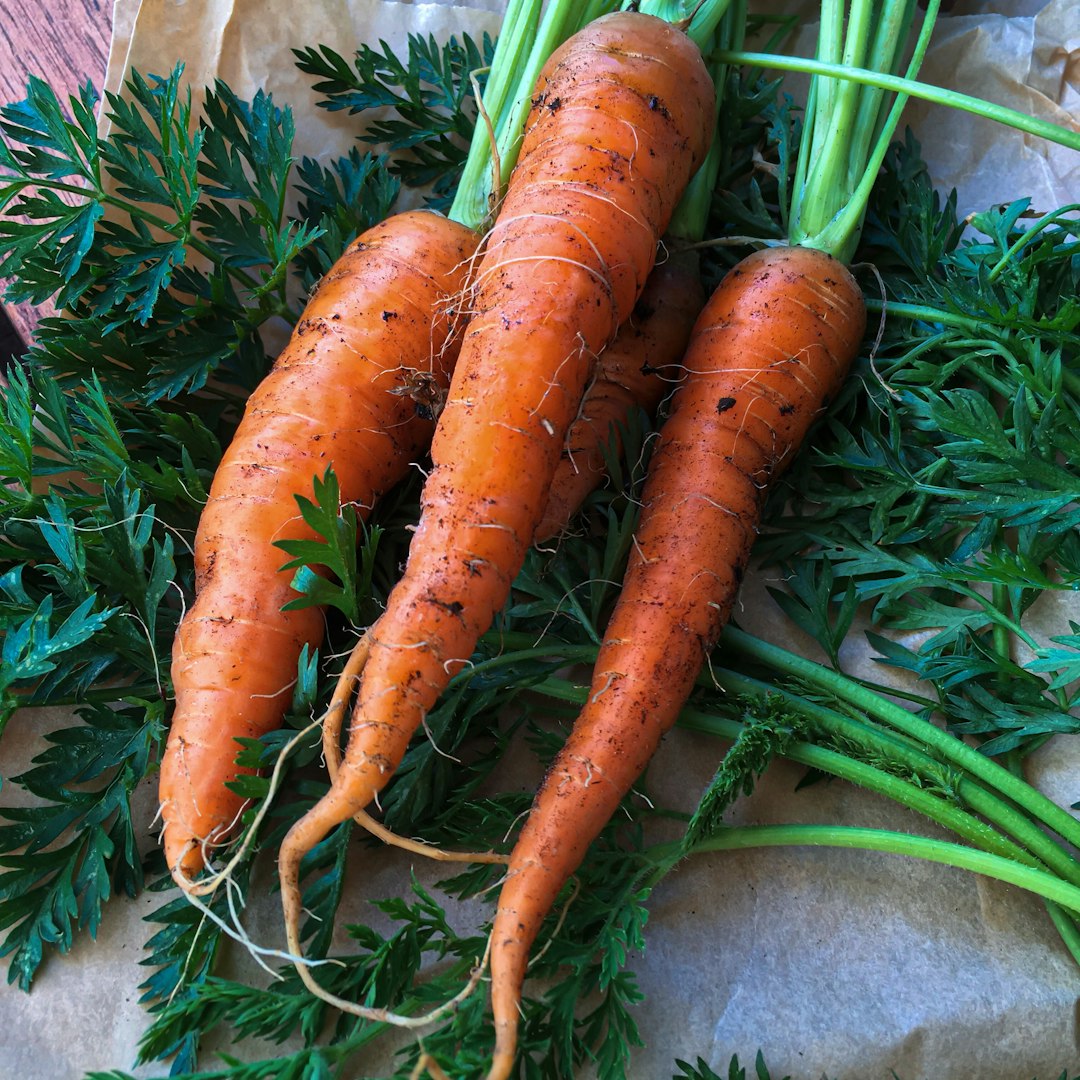
The key to Zone 9 root vegetable success is choosing heat-tolerant varieties and timing your plantings strategically. Look for cultivars specifically bred for warm climates, like Bolero carrots or Tokyo Cross turnips, which maintain quality even when temperatures climb. Fast-maturing varieties become your best friends during shoulder seasons, allowing you to squeeze in harvests before the summer heat hits or after it subsides. These selected varieties have proven themselves in Zone 9 conditions, offering both reliability and exceptional flavor when grown with proper timing.
Zone 9 Root Vegetables for Florida★ Most of FL
56 varieties · Last frost February 15 · 290-day season
Zone 8 Root Vegetables for Florida
56 varieties · Last frost March 15 · 240-day season
Zone 10 Root Vegetables for Florida
56 varieties · Last frost January 31 · 320-day season
Zone 11 Root Vegetables for Florida
56 varieties · Year-round growing
Zone 9 Growing Tips for Florida
Start your main root vegetable season in late February after your last frost risk passes, but don't put everything in the ground at once. Plant heat-sensitive varieties like storage beets and long carrots first, followed by quick crops like radishes every two weeks through April. When summer heat arrives in June, shift to shade cloth or focus on the most heat-tolerant varieties like Hakurei turnips, which actually sweeten in warm weather.
Your second major planting window opens in late August through September, often producing your best root vegetables of the year. Fall-planted carrots and beets develop incredible sweetness as temperatures cool, and you can continue harvesting most varieties right through winter since hard freezes are rare. Don't overlook winter growing—radishes and turnips planted in October will provide fresh harvests through February, bridging the gap to your next spring planting.