Delaware in USDA Zone 7
Delaware is primarily in Zone 7. Local microclimates can vary.
Growing Grasses & Bamboo in Delaware
Zone 7 offers a sweet spot for grass cultivation, with its moderate climate and generous 210-day growing season creating ideal conditions for both cool-season and warm-season varieties. The relatively late spring frost (around April 1st) and extended fall growing period until late October give you flexibility to establish lawns, plant ornamental grasses, and even experiment with borderline varieties that might struggle in colder zones. What makes Zone 7 particularly exciting is this transition zone status – you can successfully grow Northern favorites like Fine Fescue and Kentucky Bluegrass alongside Southern staples like Bermuda and Zoysia.
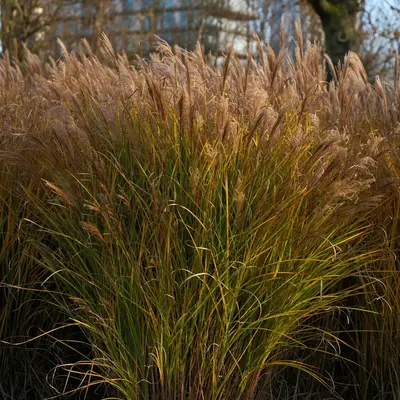
The key to success in Zone 7 lies in understanding your specific microclimate and choosing varieties that match your intended use. For lawn applications, you'll want grasses that can handle both summer heat stress and occasional winter cold snaps. Ornamental grass enthusiasts will find Zone 7 perfect for dramatic specimens like Pampas Grass and Zebra Grass that provide year-round structure, plus delicate beauties like Japanese Forest Grass for shaded areas. The extended growing season also means you have two prime planting windows – early spring for cool-season varieties and late spring through early summer for warm-season types.
Zone 7 Grasses & Bamboo for Delaware
32 varieties · Last frost April 1 · 210-day season
Zone 7 Growing Tips for Delaware
Timing is everything in Zone 7, and you have distinct advantages for both spring and fall plantings. For cool-season grasses like Fescue varieties and Kentucky Bluegrass, plan your seeding for late August through mid-September when soil is still warm but air temperatures are cooling – this gives roots time to establish before winter dormancy. Spring planting works too, but get seeds down by early to mid-March, well before your April 1st average last frost, to take advantage of cool, moist conditions.
Warm-season varieties like Bermuda, Zoysia, and Centipede perform best when planted after soil temperatures consistently reach 65°F, typically late April through May in Zone 7. Don't rush these plantings – cold soil will significantly slow germination and establishment. For ornamental grasses, most can be planted in spring after frost danger passes, though fall planting of hardy varieties like Little Bluestem and Northern Sea Oats often produces stronger root systems by the following growing season.
Zone 7's biggest challenge is the transition between seasons, particularly the unpredictable spring weather patterns. Always have row cover or other protection ready for newly planted areas when late cold snaps threaten. Summer drought stress can also be significant, so focus on deep, infrequent watering during establishment and choose drought-tolerant varieties like Bahia Grass or Eco-Lawn Mix if water conservation is important.