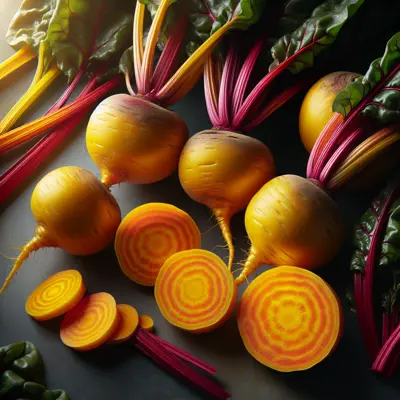
Golden Beets
Zinnia elegans
Recommended by the Association of Specialty Cut Flower Growers. This vigorous all-season producer holds up well in summer rain and heat all over the country. Densely petaled blooms are up to 6" across. Long-lasting standouts in bouquets. Cut-and-come-again flower, yielding multiple cuts over the season. Colors include deep red, orange, carmine rose, coral, lime, wine, purple, bright pink, white, salmon rose, scarlet, and golden yellow.
Harvest
75-90d
Days to harvest
Sun
ZIN-ee-ah el-eh-GANZ
Zones
2–11
USDA hardiness
Height
0-3 feet
Planting Timeline
Showing dates for Golden Beets in USDA Zone 7
All Zone 7 root-vegetable →Zone Map
Click a state to update dates
Golden Beets · Zones 2–11
Growing Details
Zone-by-Zone Planting Calendar
| Zone | Indoor Start | Transplant | Direct Sow | Harvest |
|---|---|---|---|---|
| Zone 3 | — | — | May – June | July – October |
| Zone 4 | — | — | April – June | July – October |
| Zone 5 | — | — | April – May | July – November |
| Zone 6 | — | — | April – May | June – November |
| Zone 7 | — | — | March – May | June – November |
| Zone 8 | — | — | March – April | May – December |
| Zone 9 | — | — | February – March | April – December |
| Zone 10 | — | — | January – March | April – December |
Complete Growing Guide
Light: ZIN-ee-ah el-eh-GANZ. Soil: High Organic Matter, Loam (Silt). Drainage: Good Drainage, Occasionally Dry. Height: 0 ft. 6 in. - 3 ft. 0 in.. Spread: 0 ft. 8 in. - 1 ft. 0 in.. Spacing: 12 inches-3 feet. Growth rate: Rapid. Maintenance: Medium. Propagation: Seed. Regions: Coastal, Mountains, Piedmont.
Harvesting
Type: Achene.
Bloom time: Fall, Summer
Storage & Preservation
Fresh golden beets store best in the refrigerator with greens removed, lasting 2-3 weeks when wrapped in perforated plastic bags in the crisper drawer. Keep humidity high but allow some air circulation to prevent condensation. The harvested greens should be used within 3-4 days and stored separately in the refrigerator.
For longer storage, golden beets pickle beautifully, maintaining their stunning color better than red varieties. Their mild flavor makes them excellent candidates for quick refrigerator pickles or traditional canned pickles. You can also roast and freeze cooked beets for up to 8 months—blanch whole beets for 25-30 minutes until tender, slip off skins, then package for freezing.
Root cellaring works well in zones with cold winters: layer unwashed beets in slightly damp sand or peat moss in a cool (32-40°F), humid location. Properly stored this way, golden beets can last 4-5 months while maintaining their sweet flavor and firm texture.
History & Origin
Golden beets are relatively modern hybrid varieties developed in the late 20th century to address consumer demand for beets without the staining properties of traditional red varieties. While red beets have been cultivated for over 4,000 years, golden varieties emerged from selective breeding programs in the 1970s and 1980s, primarily in the United States and Netherlands.
Plant breeders achieved the golden color by selecting for high levels of betalain pigments, specifically the yellow betaxanthins while minimizing the red betacyanins that give traditional beets their intense crimson color. This breeding focus created varieties that retained the classic earthy-sweet beet flavor while offering the practical advantage of not staining hands, cutting boards, or other ingredients during food preparation.
The development of golden beets coincided with the farm-to-table movement and increased interest in colorful, Instagram-worthy vegetables. Their popularity grew among restaurant chefs who appreciated their ability to add the distinctive beet flavor to dishes without overwhelming other ingredients with red color. Today's golden beet hybrids also typically offer improved disease resistance and more uniform root shape compared to their heirloom red cousins.
Advantages
- +Wildlife value: Attracts butterflies, hummingbirds, bees, and pollinators
- +Fast-growing
Companion Plants
Plant Together
Lettuce
Shallow roots don't compete with beet taproot, provides ground cover
Onions
Repel aphids and other pests that target beets
Garlic
Natural pest deterrent and helps prevent fungal diseases
Bush Beans
Fix nitrogen in soil which benefits beet growth
Cabbage
Similar growing conditions and beets may deter flea beetles from cabbage
Carrots
Different root depths allow efficient space usage without competition
Swiss Chard
Same plant family with similar care requirements, can be planted together
Radishes
Break up soil for beet roots and mature quickly to avoid competition
Keep Apart
Pole Beans
May stunt beet growth due to heavy nitrogen fixation and root competition
Mustard
Can inhibit beet germination and early growth through allelopathic compounds
Tomatoes
Heavy feeders that compete for nutrients and may shade developing beets
Nutrition Facts
Per 100g serving. % Daily Value based on 2,000 calorie diet. Source: USDA FoodData Central (FDC #2685576)
Pests & Disease Resistance
Resistance
Good resistance to downy mildew and leaf spot
Common Pests
Leaf miners, flea beetles, aphids
Diseases
Cercospora leaf spot, downy mildew, powdery mildew