HeirloomContainer OK

Common Chives

Allium schoenoprasum
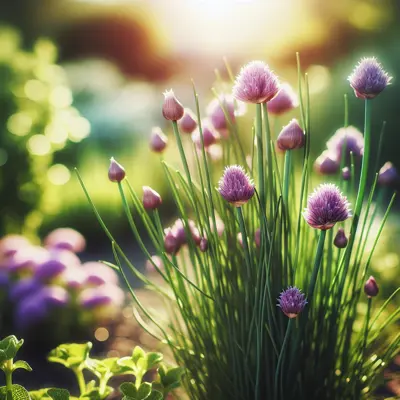
Common Chives growing in a garden

The easiest and most reliable perennial herb, producing hollow, grass-like leaves with a mild onion flavor that enhances everything from eggs to potatoes. This hardy herb forms attractive clumps topped with gorgeous purple pompom flowers that are both edible and beloved by pollinators. Once established, chives provide continuous harvests for years with virtually no maintenance required.

Harvest

60-90d

Days to harvest

📅

Sun

Full sun to partial shade

☀️

Zones

3–9

USDA hardiness

🗺️

Height

12-18 inches

📏

Planting Timeline

Jan
Feb
Mar
Apr
May
Jun
Jul
Aug
Sep
Oct
Nov
Dec
Start Indoors
Transplant
Direct Sow
Harvest
Start Indoors
Transplant
Direct Sow
Harvest

Showing dates for Common Chives in USDA Zone 7

All Zone 7 herb

Zone Map

Click a state to update dates

AKZ3MEZ4WIZ4VTZ4NHZ5WAZ7IDZ5MTZ4NDZ4MNZ4MIZ5NYZ6MAZ6CTZ6RIZ6ORZ7NVZ7WYZ4SDZ4IAZ5INZ6OHZ6PAZ6NJZ7DEZ7CAZ9UTZ5COZ5NEZ5ILZ6WVZ6VAZ7MDZ7DCZ7AZZ9NMZ7KSZ6MOZ6KYZ6TNZ7NCZ7SCZ8OKZ7ARZ7MSZ8ALZ8GAZ8TXZ8LAZ9FLZ9HIZ10

Common Chives · Zones 39

What grows well in Zone 7?

Growing Details

Difficulty
Very easy
Spacing6-8 inches
SoilWell-drained, fertile soil
pH6.0-7.0
WaterModerate, 1 inch per week
SeasonPerennial
FlavorMild onion flavor, delicate and sweet
ColorBright green leaves with purple flowers
Size1/4 inch diameter hollow leaves

Zone-by-Zone Planting Calendar

ZoneIndoor StartTransplantDirect SowHarvest
Zone 3February – MarchMay – JuneApril – SeptemberJuly – October
Zone 4February – MarchMay – JuneApril – SeptemberJune – October
Zone 5February – MarchApril – MayMarch – SeptemberJune – November
Zone 6January – MarchApril – MayMarch – OctoberMay – November
Zone 7January – FebruaryMarch – AprilFebruary – OctoberMay – December
Zone 8December – FebruaryMarch – AprilFebruary – NovemberApril – December
Zone 9November – JanuaryFebruary – MarchJanuary – NovemberApril – December

Complete Growing Guide

Start your chive journey with proper soil preparation. Work compost or well-aged manure into your planting area, aiming for soil that drains well but retains some moisture. Chives tolerate various soil types but truly shine in slightly alkaline conditions with a pH between 6.0-7.0.

For seed starting, you have two excellent options. Direct sowing works beautifully in spring after soil workability or in fall 6-8 weeks before hard frost. Scatter seeds thinly and barely cover with 1/4 inch of soil. For earlier harvests, start seeds indoors 8-10 weeks before your last frost date. Use seed starting mix and maintain 65-70°F soil temperature for optimal germination in 10-14 days.

Transplanting requires a gentle touch since chives develop into clumps naturally. Space transplants 6-8 inches apart, setting them at the same depth they grew in their containers. Water thoroughly after transplanting and maintain consistent moisture for the first two weeks while roots establish.

Fertilizing chives is refreshingly simple. Apply balanced organic fertilizer or compost in early spring, then step back. Over-fertilizing produces lush growth but diminishes the signature onion flavor. In zones 7-9, a light fall feeding helps maintain vigor through mild winters.

Avoid the common mistake of planting chives in heavy clay or waterlogged areas—they'll develop root rot quickly. Also resist the urge to harvest heavily during the first growing season. Let plants establish strong root systems for years of productive harvests ahead.

For maximum yields, divide established clumps every 3-4 years in early spring or fall. Simply dig up the entire clump, separate into smaller sections with roots attached, and replant. This prevents overcrowding and maintains vigorous growth. In zones 3-6, apply light mulch after the ground freezes for winter protection.

Harvesting

Begin harvesting chive leaves when plants reach 6-8 inches tall, typically 60-75 days from seed. Look for vibrant green, hollow leaves that stand upright—avoid yellowing or flattened foliage which indicates stress or overmaturity.

Harvest using the "haircut method"—cut leaves 2 inches above soil level with sharp scissors or garden shears. Never pull or tear leaves, as this damages the growing crown. Take no more than one-third of the plant at once to maintain vigor. Morning harvests after dew evaporates provide the most concentrated flavor.

For continuous production, harvest outer leaves first, working toward the center. Fresh growth emerges from the center, creating a renewable cycle. During peak growing season, you can harvest every 2-3 weeks. Don't forget the purple flowers—harvest them just as they open for the best texture and mildest onion flavor. Late-season flowers become tough and overly pungent.

Storage & Preservation

Fresh chives store best when treated like cut flowers. Trim stem ends and place in a glass of water, covering loosely with a plastic bag. Refrigerated this way, they'll maintain quality for 7-10 days. For shorter storage, wrap dry chives in damp paper towels and refrigerate for up to one week.

Freezing preserves chive flavor exceptionally well. Chop fresh leaves and freeze in ice cube trays with water or olive oil—perfect portions for cooking. Frozen chives work beautifully in cooked dishes but lose their crisp texture for fresh applications.

Dehydrating works but requires careful attention. Use the lowest heat setting and remove when leaves crumble easily. Store dried chives in airtight containers away from light. The flavor becomes more concentrated but loses the fresh, bright notes that make chives special.

History & Origin

Common chives (Allium schoenoprasum) represent one of humanity's oldest cultivated herbs, with archaeological evidence placing their use in European cuisines over 5,000 years ago. Native to temperate regions across Europe, Asia, and North America, wild chives grew naturally in rocky, mountainous areas from the Mediterranean to Siberia.

Medieval European monasteries cultivated chives extensively, both for culinary and medicinal purposes. Monks believed chives could ward off evil spirits and disease—while the evil spirits remain debatable, the herb's natural antimicrobial properties support the health claims.

Marco Polo documented chives growing wild across the Asian steppes, noting their importance in nomadic diets. These hardy perennials provided fresh nutrition when other vegetables were scarce. European colonists brought cultivated varieties to North America, though indigenous peoples were already utilizing native chive populations.

The variety we grow today remains virtually unchanged from these ancient origins, making common chives a true heirloom in every sense. Their genetic stability across millennia speaks to their perfect adaptation to diverse growing conditions.

Advantages

  • +Exceptional cold hardiness surviving temperatures down to -40°F once established
  • +Virtually maintenance-free after first season with no regular watering needed
  • +Self-propagating through natural clump division, providing decades of harvests
  • +Dual-purpose with edible flowers that attract beneficial pollinators
  • +Natural pest deterrent when companion planted near roses and vegetables
  • +Immediate regrowth after cutting with harvests possible every 2-3 weeks
  • +Tolerates partial shade better than most herbs while maintaining flavor intensity

Considerations

  • -Goes dormant in winter leaving no fresh harvests in zones 6 and below
  • -Spreads aggressively through self-seeding if flowers aren't harvested regularly
  • -Flavor diminishes significantly when dried compared to other preservation methods
  • -Susceptible to onion thrips which can cause unsightly silver streaking on leaves
  • -Requires division every 3-4 years or clumps become overcrowded and less productive

Companion Plants

Plant Together

+

Tomatoes

Chives repel aphids and may improve tomato flavor and growth

+

Carrots

Chives deter carrot fly and other root pests while improving carrot flavor

+

Roses

Chives repel aphids, black spot, and other rose pests naturally

+

Cabbage

Chives deter cabbage worms, aphids, and flea beetles from brassicas

+

Apple Trees

Chives help prevent apple scab and deter aphids from fruit trees

+

Lettuce

Chives repel aphids and slugs while not competing for nutrients

+

Peppers

Chives deter aphids and may enhance pepper growth and flavor

+

Strawberries

Chives repel slugs, aphids, and nematodes that damage strawberry plants

Keep Apart

-

Beans

Chives may inhibit bean growth and nitrogen fixation capabilities

-

Peas

Alliums like chives can stunt pea growth and reduce pod production

Pests & Disease Resistance

Resistance

Excellent disease resistance

Common Pests

Onion thrips, aphids

Diseases

Rust, downy mildew in humid conditions

Frequently Asked Questions

Can you grow chives in containers?
Absolutely! Chives thrive in containers and make excellent windowsill herbs. Use pots at least 6 inches deep with drainage holes. Container chives can be brought indoors for winter harvests in cold climates. Divide containerized clumps annually as they become rootbound faster than garden-planted chives.
How long do chives take to grow from seed?
Chives germinate in 10-14 days under optimal conditions but require 60-75 days to reach first harvest size. From transplants, you can begin light harvesting in 3-4 weeks. Second-year plants provide the most abundant harvests as root systems fully establish.
Do chives come back every year?
Yes! Chives are hardy perennials that return reliably each spring in zones 3-9. They often emerge before the last frost, providing some of the season's first fresh herbs. Established clumps become more productive each year for decades with minimal care.
What's the difference between chives and green onions?
Chives have thin, hollow, grass-like leaves with a delicate onion flavor, while green onions (scallions) have flat, solid leaves and distinct white bulbs with a sharper bite. Chives are perennial herbs used primarily as seasoning, whereas green onions are annual vegetables eaten as both seasoning and vegetables.
Should I let my chives flower?
Allow some flowers for beauty and pollinator benefits, but remove most before seed formation to maintain leaf production and prevent aggressive self-seeding. Harvest flowers just as they open for culinary use—they add gorgeous color and mild onion flavor to salads.
When should I divide my chive plants?
Divide chives every 3-4 years when clumps become overcrowded and less productive. Best timing is early spring as new growth emerges or fall 6-8 weeks before hard frost. Each division should have roots and several growing points for successful establishment.

More Herbs