Macadamia (Beaumont)
Macadamia integrifolia 'Beaumont'
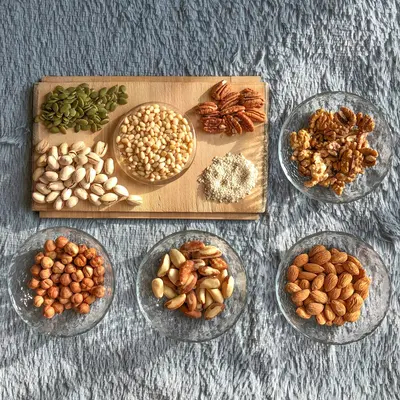
One of the most cold-tolerant macadamia varieties, Beaumont makes it possible to grow these premium nuts in subtropical climates where other varieties would fail. This Australian native produces the rich, buttery nuts that command premium prices in stores, with excellent kernel quality and good cracking characteristics. The evergreen tree also serves as an attractive landscape specimen with glossy leaves and fragrant flower clusters.
Harvest
180-210d
Days to harvest
Sun
Full sun
Zones
9–12
USDA hardiness
Height
30-50 feet
Planting Timeline
Showing dates for Macadamia (Beaumont) in USDA Zone 11
All Zone 11 nut-tree →Zone Map
Click a state to update dates
Macadamia (Beaumont) · Zones 9–12
Growing Details
Complete Growing Guide
Light: Full sun (6 or more hours of direct sunlight a day). Soil: Clay, High Organic Matter, Loam (Silt), Sand. Soil pH: Acid (<6.0), Alkaline (>8.0), Neutral (6.0-8.0). Drainage: Good Drainage, Moist. Height: 30 ft. 0 in. - 50 ft. 0 in.. Spread: 20 ft. 0 in. - 40 ft. 0 in.. Spacing: 24-60 feet. Growth rate: Slow. Maintenance: Low. Propagation: Seed.
Harvesting
Green husks surround the hard, smooth shells that enclose creamy-white nuts.
Color: White. Type: Nut. Length: < 1 inch. Width: < 1 inch.
Garden value: Edible, Showy
Harvest time: Summer
Edibility: Nuts are edible raw or cooked and ground into flour.
Storage & Preservation
Store freshly harvested Macadamia Beaumont nuts in their shells at 32–50°F (0–10°C) with 65–75% humidity to maintain quality and prevent rancidity. Use breathable mesh or wooden crates rather than sealed containers to allow air circulation. Properly dried and stored in-shell nuts remain fresh for 6–12 months; shelled kernels keep 2–3 months refrigerated, or up to one year frozen at 0°F (−18°C) or below.
Freezing is the most effective preservation method—vacuum-seal shelled kernels to prevent oxidation and flavor loss. For extended storage, roast and cool nuts thoroughly before freezing to enhance shelf stability. Cold pressing for macadamia oil is excellent for culinary applications and offers 18–24 months shelf life in dark glass bottles stored in cool conditions.
Beaumont kernels are notably high in oil content, so avoid exposure to warmth and light, which accelerates rancidity more quickly than in other macadamia cultivars. Monitor stored nuts regularly for mold or off-odors.
History & Origin
Origin: Eastern Australia, New South Wales
Advantages
- +Attracts: Bees, Pollinators
- +Edible: Nuts are edible raw or cooked and ground into flour.
- +Low maintenance
Companion Plants
Comfrey is probably the most useful plant you can put under a macadamia. Its deep taproot pulls up calcium and potassium from below the tree's root zone, and when you chop it down and leave it as mulch, those nutrients release right where the surface feeder roots can use them. Clover does similar work at a smaller scale — fixing atmospheric nitrogen into the soil, which cuts down on how often you need to side-dress with fertilizer. Nasturtiums and marigolds draw aphids and thrips toward themselves rather than the tree; plant a ring of them 3 to 4 feet out from the drip line where you can actually see and manage the damage.
Keep eucalyptus and black walnut off the same property if you can help it. Eucalyptus releases volatile terpenes and drops allelopathic leaf litter that suppresses root activity in neighboring plants — macadamia roots can spread 25 feet out, so proximity matters more than it looks on a map. Black walnut produces juglone through its roots and decomposing hulls, and while macadamia's specific sensitivity hasn't been as well-documented as, say, apple or tomato, there's no upside to the experiment. Pine trees create a different problem: heavy needle drop acidifies soil past the 5.0 floor that Beaumont tolerates, and that pH shift makes phosphorus and calcium harder to absorb.
Plant Together
Comfrey
Deep taproot brings nutrients to surface, leaves make excellent mulch and compost
Nasturtium
Attracts beneficial insects and acts as trap crop for aphids and other pests
Lavender
Repels ants, moths, and other pests while attracting pollinators
Rosemary
Natural pest deterrent and attracts beneficial insects like bees
Chives
Repels aphids and other soft-bodied insects, improves soil health
Marigold
Deters nematodes and other soil pests, attracts beneficial predatory insects
Clover
Fixes nitrogen in soil, provides living mulch and attracts beneficial insects
Lemon Balm
Repels ants and rodents, attracts pollinators and beneficial insects
Keep Apart
Black Walnut
Produces juglone which is toxic to macadamia trees and inhibits growth
Eucalyptus
Allelopathic compounds suppress growth of nearby plants and compete for water
Pine Trees
Acidify soil excessively and compete heavily for nutrients and water
Nutrition Facts
Per 100g serving. % Daily Value based on 2,000 calorie diet. Source: USDA FoodData Central (FDC #170178)
Pests & Disease Resistance
Resistance
Good resistance to most diseases, susceptible to Phytophthora root rot
Common Pests
Macadamia felted coccid, thrips, rats (attracted to nuts)
Diseases
Phytophthora root rot, anthracnose, trunk canker
Troubleshooting Macadamia (Beaumont)
What you'll see, why it happens, and what to do about it.
Leaves wilting and yellowing, roots look brown and waterlogged when you dig near the base
Likely Causes
- Phytophthora root rot — an oomycete pathogen that thrives in poorly drained or overwatered soil
- Planting in a low spot where water pools after rain
What to Do
- 1.Improve drainage immediately — mound the soil away from the trunk and pull back any mulch that's sitting against the bark
- 2.Apply a phosphonate-based fungicide (like potassium phosphonate) as a trunk spray or soil drench; UC Cooperative Extension has documented this as the most effective chemical intervention for Phytophthora on macadamia
- 3.If you're planting a new tree, choose a site with a slope or raised bed and keep soil pH between 5.0 and 6.5 where the pathogen is less aggressive
Dark, sunken lesions on the husk or shell of developing nuts, sometimes with orange spore masses visible in humid weather
Likely Causes
- Anthracnose (Colletotrichum gloeosporioides) — a fungal disease that spreads in wet, warm conditions and overwinters in dead plant debris
- Macadamia felted coccid infestations that create entry wounds the fungus exploits
What to Do
- 1.Rake up and dispose of fallen nuts and husks — don't compost them; the spores persist
- 2.Apply a copper-based fungicide at bud break and again 14 days later if you're in a wet spring season
- 3.Check for felted coccid (look for white, cottony clusters on twigs) and treat with horticultural oil at the labeled rate to close off the secondary infection pathway
Frequently Asked Questions
How long does it take to harvest macadamia nuts from a Beaumont tree?▼
Is Beaumont macadamia cold-tolerant compared to other macadamia varieties?▼
Can you grow Beaumont macadamia in containers?▼
What does Beaumont macadamia taste like?▼
Is Beaumont macadamia difficult to grow for beginners?▼
When is the best time to plant Beaumont macadamia trees?▼
Zone-by-Zone Planting Calendar
Growing Guides from Wind River Greens
Sources & References
External authority sources used in compiling this guide.
- ExtensionNC State Extension
- USDAUSDA FoodData Central
See the Methodology page for how this data is sourced, what's AI-assisted, and known limitations.