Best Root Vegetables to Grow in Northwest Territories
Northwest Territories spans USDA Zones 1–2, typically Zone 3. We've broken out 56 root vegetable varieties by zone — pick your zone below or find the right varieties for your specific part of the state.
Varieties
56
for Northwest Territories
USDA
Zones 1–2
55–85 days season
Beginner
40
easy to grow
Heirloom
30
heritage varieties
Northwest Territories in USDA Zones 1–2
Northwest Territories spans Zones 1–2. Variety lists below are organized by zone — start with your zone for the most accurate recommendations.
Growing Root Vegetables in Northwest Territories
Zone 3 presents unique opportunities for root vegetable enthusiasts, despite its reputation as a challenging growing region. The short, intense summers and long, cold winters actually favor many root crops, which thrive in cool conditions and often improve in flavor after exposure to light frost. The key advantage for Zone 3 gardeners is that root vegetables don't require a long, hot growing season like tomatoes or peppers – instead, they prefer the steady, moderate temperatures that characterize much of your 120-day season.
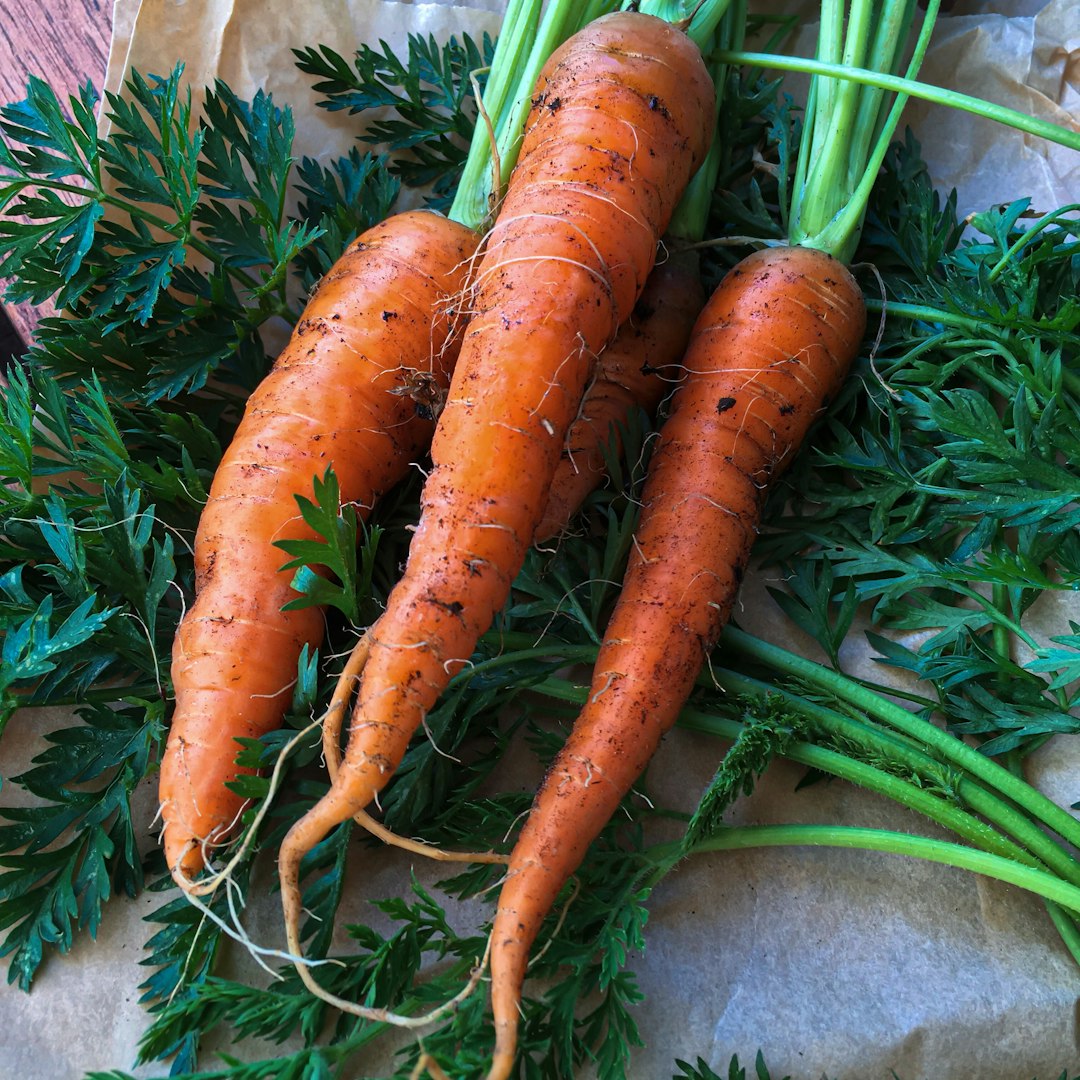
When selecting varieties for Zone 3, focus on cultivars with shorter days to maturity (typically 50-70 days for quick crops like radishes and turnips, and 70-85 days for carrots and beets). Cold-hardy varieties that can withstand unexpected late spring or early fall frosts will give you the best success. Many root vegetables actually become sweeter after frost exposure, as plants convert starches to sugars for protection. The varieties listed here have proven themselves in harsh northern climates, offering reliable germination in cool soil and the ability to reach full maturity within your growing window.
Zone 2 Root Vegetables for Northwest Territories
56 varieties · Last frost June 1 · 85-day season
Zone 1 Root Vegetables for Northwest Territories
56 varieties · Last frost June 15 · 55-day season
Zone 3 Growing Tips for Northwest Territories
Start your root vegetable season as soon as soil can be worked in spring, typically 2-3 weeks before your May 15th last frost date. Most root vegetables are direct-seeded and actually prefer cool soil conditions for germination – carrots and beets will germinate in soil as cool as 50°F, while radishes and turnips can handle even cooler conditions. Plant quick-maturing crops like French Breakfast radishes every 2-3 weeks through mid-August for continuous harvests.
Take advantage of your cool falls by planting a second crop of fast-maturing varieties in mid to late July. Turnips, radishes, and baby carrots planted in late July will mature in the cooler September weather, often producing superior flavor and texture compared to summer harvests. Many root vegetables can handle light frosts, so you'll often be harvesting well into October. For storage varieties like rutabagas and large carrots, ensure they're planted by late May to early June so they reach full size before hard freezes arrive.