Best Nut Trees to Grow in Kansas
Kansas spans USDA Zones 5–7, typically Zone 6. We've broken out 23 nut tree varieties by zone — pick your zone below or find the right varieties for your specific part of the state.
Varieties
23
for Kansas
USDA
Zones 5–7
155–210 days season
Beginner
2
easy to grow
Heirloom
8
heritage varieties
Kansas in USDA Zones 5–7
Kansas spans Zones 5–7. Variety lists below are organized by zone — start with your zone for the most accurate recommendations.
Growing Nut Trees in Kansas
Zone 6's moderate climate with its 180-day growing season creates excellent opportunities for nut tree cultivation, though success depends heavily on choosing varieties that can handle temperature swings and late spring frosts. The April 15th average last frost date means you'll want to avoid extremely early-blooming varieties that might get caught by surprise cold snaps, while the October 15th first frost gives most nuts adequate time to mature. What makes Zone 6 particularly appealing for nut growing is the sweet spot between having enough chill hours for most temperate nuts while still providing sufficient heat units for varieties like pecans that need longer, warmer seasons.
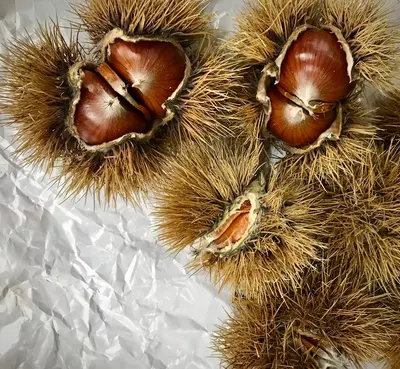
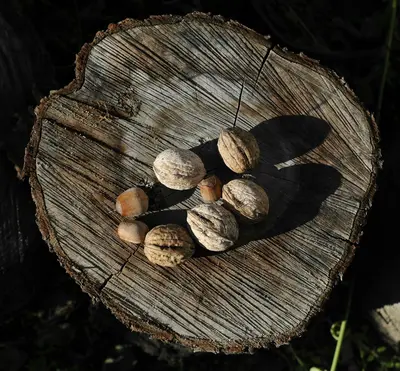
When selecting nut trees for Zone 6, prioritize cold-hardy varieties with proven track records in similar climates, and pay close attention to bloom timing and nut maturation dates. The Carpathian Walnut and Franquette Walnut excel here because they're bred for shorter seasons and late blooming, while pecan varieties like Pawnee and Caddo mature early enough to beat your first frost. Chestnuts are particularly reliable in Zone 6, with the Dunstan and Chinese varieties offering both cold tolerance and blight resistance that makes them nearly foolproof for beginning nut growers.
Zone 6 Nut Trees for Kansas★ Most of KS
23 varieties · Last frost April 15 · 180-day season

Zone 5 Nut Trees for Kansas
23 varieties · Last frost April 30 · 155-day season
Zone 7 Nut Trees for Kansas
23 varieties · Last frost April 1 · 210-day season
Zone 6 Growing Tips for Kansas
Plant your nut trees in late fall or early spring, with fall planting giving trees time to establish roots before the growing season demands kick in. If you're planting bare-root stock, wait until after your soil thaws but before buds break – typically late March to early April in Zone 6. Container-grown trees can go in any time from late April through early June, but avoid planting during the hottest summer months when newly transplanted trees struggle with heat stress.
Zone 6's variable spring weather requires some defensive planning around your young trees. Late frosts can damage tender new growth, so consider wrapping trunks of newly planted trees and having frost cloth ready for unexpected cold snaps through early May. Mulch heavily around the base to moderate soil temperature swings and retain moisture, but keep mulch a few inches away from the trunk to prevent rodent damage during winter months. Most nut trees benefit from staking for their first two years in Zone 6, as spring storms and ice can damage flexible young wood.