Best Fruit Trees to Grow in Hawaii
Hawaii spans USDA Zones 10–13, typically Zone 10. We've broken out 4 fruit tree varieties by zone — pick your zone below or find the right varieties for your specific part of the state.
Varieties
4
for Hawaii
USDA
Zones 10–13
320–365 days season
Beginner
4
easy to grow
Heirloom
2
heritage varieties
Hawaii in USDA Zones 10–13
Hawaii spans Zones 10–13. Variety lists below are organized by zone — start with your zone for the most accurate recommendations.
Growing Fruit Trees in Hawaii
Zone 10's nearly year-round growing season makes it a fruit tree paradise, but the lack of winter chill hours creates unique challenges. While gardeners in colder zones worry about frost damage, Zone 10 growers must focus on selecting low-chill varieties that don't require extended cold periods to fruit properly. The key is choosing heat-tolerant varieties that can handle intense summer sun and occasional tropical storms while still producing quality fruit.
The best Zone 10 fruit trees fall into two categories: tropical and subtropical natives like citrus, figs, and avocados that thrive in warm climates, and specially bred low-chill varieties of temperate fruits like Anna and Dorsett Golden apples. Citrus trees are particularly well-suited here, with varieties like Meyer Lemon, Valencia Orange, and Key Lime producing fruit almost continuously. Heat tolerance becomes crucial during summer months when temperatures soar, making varieties like Brown Turkey Fig and Wonderful Pomegranate excellent choices for their resilience.
Zone 10 Fruit Trees for Hawaii★ Most of HI
4 varieties · Last frost January 31 · 320-day season
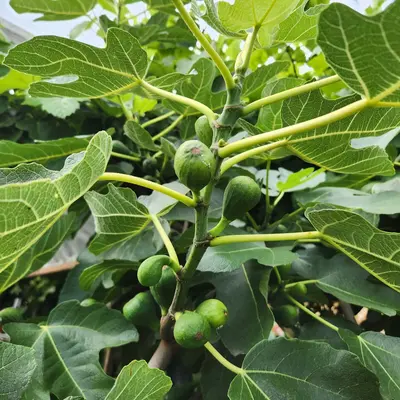
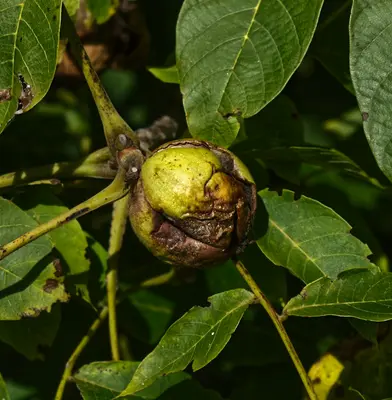
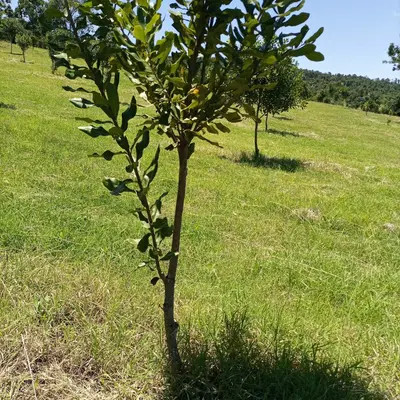
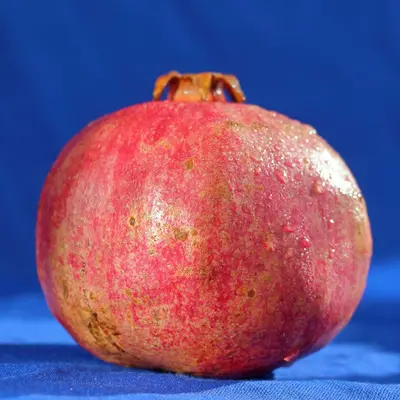
Zone 10 Growing Tips for Hawaii
Plant fruit trees in Zone 10 during the cooler months from November through February to give roots time to establish before the intense summer heat arrives. The minimal frost risk means you can plant earlier than most zones, but avoid the hottest summer months when newly planted trees struggle with heat stress. Focus on soil preparation and drainage, as many Zone 10 areas deal with heavy clay or sandy soils that need organic matter amendments.
Provide afternoon shade for heat-sensitive varieties during summer months, and establish a consistent watering schedule since the extended growing season means trees are actively growing and fruiting for most of the year. Mulching becomes essential to retain soil moisture and keep roots cool during the long, hot summers. Watch for tropical pests and diseases that thrive in the humid conditions, and consider dwarf varieties if you're dealing with hurricane-prone areas where smaller trees fare better in high winds.