Shrub Rose - Rugosa Rose
Rosa rugosa
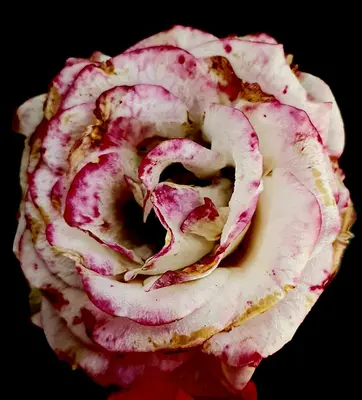
An incredibly hardy and low-maintenance rose that thrives in challenging conditions while producing fragrant single flowers followed by large, ornamental rose hips. The distinctive wrinkled foliage turns golden-yellow in fall, and the thorny canes create an excellent barrier planting. This tough species rose is perfect for coastal gardens, naturalized areas, and anywhere you need a rose that practically grows itself.
Sun
Full sun
Zones
2–7
USDA hardiness
Height
4-6 feet
Planting Timeline
Showing dates for Shrub Rose - Rugosa Rose in USDA Zone 7
All Zone 7 rose →Zone Map
Click a state to update dates
Shrub Rose - Rugosa Rose · Zones 2–7
Growing Details
Complete Growing Guide
Light: Full sun (6 or more hours of direct sunlight a day). Soil: High Organic Matter. Soil pH: Acid (<6.0), Neutral (6.0-8.0). Drainage: Good Drainage, Moist. Height: 4 ft. 0 in. - 6 ft. 0 in.. Spread: 4 ft. 0 in. - 6 ft. 0 in.. Spacing: 6-feet-12 feet. Growth rate: Rapid. Maintenance: High. Propagation: Stem Cutting. Regions: Mountains, Piedmont.
Harvesting
The fruits are fleshy, edible, large, cherry-like hips about 1-inch in diameter. They are initially dull green and ripen to bright glossy red to orange by late summer. The seeds or achenes are encased in the hips. Each hip contains 20 to 120 seeds. The fruits are present from August and persist until winter.
Color: Orange, Red/Burgundy. Type: Drupe. Length: < 1 inch. Width: < 1 inch.
Garden value: Edible, Showy
Harvest time: Fall, Summer, Winter
Edibility: The fruits or hips are used to make jams and jellies.
Storage & Preservation
Rugosa rose hips and flowers are best enjoyed fresh immediately after harvest. Store cut flowers in a cool location (65-70°F) in water with floral preservative, lasting 7-10 days. Rose hips can be refrigerated in a breathable container for 2-3 weeks. For preservation, dry petals and hips in a warm, well-ventilated area for use in herbal teas and infusions. Alternatively, freeze whole hips in airtight containers for up to 6 months, or make rose hip jam by cooking hips with sugar and pectin for shelf-stable storage.
History & Origin
Origin: Eastern Russia, Korea, Japan, and Northern China
Advantages
- +Attracts: Songbirds
- +Edible: The fruits or hips are used to make jams and jellies.
- +Fast-growing
Considerations
- -High maintenance
Companion Plants
Lavender, catmint, and chives all pull their weight near rugosa roses for concrete reasons. Lavender and catmint bloom on a similar schedule and draw in pollinators that improve hip set — and both stay shallow-rooted enough that they won't fight the rose for water at depth. Chives and garlic (and alliums generally) get planted near roses on the theory that their sulfur compounds deter aphids; the evidence is mostly observational, but they're productive plants in their own right and cause no trouble in the 2–3 foot understory below the canes.
Black walnut is the one to exclude hard. The juglone it exudes through its root system — which can extend well past the drip line — causes a slow wilting and decline in roses that reads like drought stress until the plant is already failing. Large trees are a problem for a blunter reason: rugosas need 6 or more hours of direct sun to flower and produce hips reliably, and any canopy that creeps in will cut both before the plant looks obviously sick.
Plant Together
Lavender
Repels aphids, moths, and other pests while attracting beneficial pollinators
Marigolds
Deters nematodes, aphids, and other harmful insects with natural compounds
Chives
Repels aphids and Japanese beetles while improving soil health
Garlic
Natural fungicide properties help prevent black spot and powdery mildew
Catmint
Repels ants, aphids, and rodents while attracting beneficial insects
Alliums
Deter aphids, thrips, and other pests with strong sulfur compounds
Clematis
Provides vertical interest and shares similar soil and sun requirements
Parsley
Attracts beneficial insects like hoverflies that prey on aphids
Keep Apart
Black Walnut
Produces juglone toxin that inhibits rose growth and causes wilting
Large Trees
Compete heavily for nutrients and water while creating excessive shade
Brassicas
May attract pests like flea beetles and compete for similar nutrients
Pests & Disease Resistance
Resistance
Exceptional disease resistance, virtually maintenance-free
Common Pests
Very few pest problems, occasionally Japanese beetles
Diseases
Rarely affected by typical rose diseases
Troubleshooting Shrub Rose - Rugosa Rose
What you'll see, why it happens, and what to do about it.
Dark circular spots on leaves with irregular, feathered edges; leaves yellowing and dropping, sometimes mid-season
Likely Causes
- Black spot (Diplocarpon rosae) — a fungal disease that overwinters on fallen leaves and infected canes, splashing up onto foliage during rain or overhead watering
- Poor air circulation from crowded planting or unpruned canes
What to Do
- 1.Rake up and trash (don't compost) all fallen leaves; strip spotted leaves from the plant
- 2.Prune out cane infections in late winter before new growth starts, then lay 2–3 inches of mulch around the base
- 3.Water at the base only — drip irrigation or a soaker hose keeps foliage dry and shortens the nighttime wetness window, which NC State Extension's IPM guidance identifies as a key control lever
New shoots are unusually elongated, leaves stay red instead of greening up, and the plant develops excessive thorniness or distorted, proliferating growth
Likely Causes
- Rose rosette disease (RRD), caused by Rose rosette virus and spread by the eriophyid mite Phyllocoptes fructiphylus
- Witches'-broom-style shoot proliferation can also result from low-dose glyphosate drift — rule that out before assuming RRD
What to Do
- 1.There is no cure for RRD; dig out and bag the entire plant, roots included, and put it in the trash — not the compost
- 2.Check neighboring roses within 100 feet, since the mite vector moves readily between plants
- 3.NC State Extension notes that excessive thorniness combined with red shoot retention is a near-certain sign of RRD — if you see both together, don't wait to act
Skeletonized leaves or petals chewed to ragged edges in midsummer, often with shiny metallic green beetles visible on the plant
Likely Causes
- Japanese beetle (Popillia japonica) — adults feed heavily on roses in June through August, and rugosas are not immune despite their general toughness
What to Do
- 1.Hand-pick beetles in the early morning when they're sluggish and drop them into a bucket of soapy water — most effective at small scale
- 2.Skip the Japanese beetle bag traps anywhere near the planting; they consistently attract more beetles than they catch
- 3.For heavy pressure, neem oil or spinosad applied in the evening can reduce feeding — reapply after rain
Frequently Asked Questions
Is Rugosa Rose a good choice for beginner gardeners?▼
Can you grow Rugosa Rose in containers?▼
How long do Rugosa Rose flowers and hips last?▼
What are Rugosa Rose hips used for?▼
When should I plant Rugosa Rose?▼
Why is Rugosa Rose better than hybrid roses?▼
Zone-by-Zone Planting Calendar
Growing Guides from Wind River Greens
Sources & References
External authority sources used in compiling this guide.
- ExtensionNC State Extension
See the Methodology page for how this data is sourced, what's AI-assisted, and known limitations.