Bonica Shrub Rose
Rosa 'Bonica'
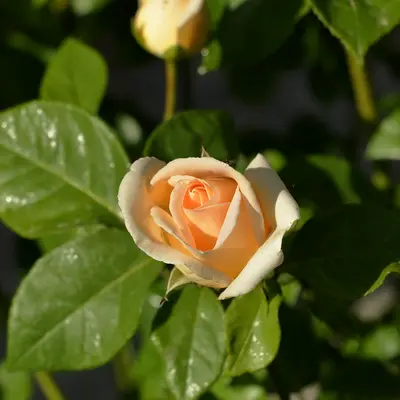
This incredibly reliable shrub rose is perfect for beginning rose gardeners, producing masses of soft pink blooms from spring until frost with virtually no care required. The compact, spreading habit makes it ideal for landscaping, borders, or ground cover, while its exceptional disease resistance means you can enjoy beautiful roses without the typical maintenance headaches. Bonica was the first shrub rose to win the prestigious All-America Rose Selection award.
Sun
Full sun
Zones
5–11
USDA hardiness
Height
1-8 feet
Planting Timeline
Showing dates for Bonica Shrub Rose in USDA Zone 7
All Zone 7 rose →Zone Map
Click a state to update dates
Bonica Shrub Rose · Zones 5–11
Growing Details
Complete Growing Guide
Bonica shrub roses are typically purchased as bare-root or container-grown plants rather than started from seed, making them accessible for beginning gardeners. If you're starting with bare-root stock, plant them in early spring as soon as soil can be worked, ideally four to six weeks before your last frost date. Container plants can go in the ground anytime during the growing season, though spring and fall establishment periods are ideal. Unlike many roses that demand perfect conditions, Bonica is forgiving about timing and will establish reliably with basic care.
Space plants eighteen to thirty-six inches apart depending on your desired effect—closer spacing creates a dense landscape planting, while wider spacing showcases the shrub's natural spreading habit. Bonica prefers well-draining soil enriched with organic matter; dig planting holes twice as wide as the root ball and work in compost or aged manure to a depth of twelve inches. These roses tolerate average soil better than hybrid teas, but they'll perform even better with this preparation. Plant at the same depth the rose was growing in its container, and backfill gently to eliminate air pockets.
Water newly planted Bonica roses deeply twice weekly for the first month, then transition to regular watering as needed—about one inch per week during growing season. Once established, this variety's vigor means it handles dry periods reasonably well, though consistent moisture produces better bloom. Feed with a balanced rose fertilizer in early spring as growth begins, then apply every four to six weeks through mid-summer. Stop feeding by late August to allow the plant to harden off before winter.
Bonica's exceptional disease resistance means you'll rarely encounter the black spot, powdery mildew, or rust that plague less vigorous varieties. Occasionally, aphids cluster on new growth, particularly in spring. A strong spray from the hose dislodges most aphids, and the shrub's vigor usually outpaces minor pest damage. Avoid overusing pesticides on this hardy rose, as heavy spraying can actually stress the plant unnecessarily.
Pruning Bonica requires a light touch compared to other roses. In early spring, remove any dead canes and cut back the shrub by about one-third to maintain shape and encourage bushiness. Throughout the season, deadheading spent flowers promotes continuous blooming until frost. Unlike finicky exhibition roses, Bonica doesn't demand precision pruning; it forgives casual gardeners who simply shape it as needed.
The most common mistake gardeners make with Bonica is overwatering and overfertilizing. Their vigor and disease resistance mean they thrive on benign neglect rather than intensive management. Too much water or excessive nitrogen fertilizer actually encourages soft growth susceptible to problems. Trust this variety's natural hardiness and resist the urge to fuss.
Harvesting
Bonica shrub roses reach peak harvest readiness when their soft pink petals have fully unfurled but still feel slightly firm to the touch, typically when the bloom diameter reaches two to three inches. Unlike single-harvest roses, Bonica produces continuous blooms from spring through frost, allowing you to deadhead spent flowers regularly to encourage additional flowering throughout the season. Cut stems in early morning when they're fully hydrated, selecting shoots with at least two to three sets of leaves below the cut to promote bushier growth and sustained productivity.
The accessory fruit is called a hip and forms after the flowers finish blooming. The hip will appear under the sepals of where the flower was after the flower dies. They will turn from green to red. They are filled with many achenes surrounded by irritating hairs.
Color: Green, Red/Burgundy. Type: Achene. Length: < 1 inch. Width: < 1 inch.
Garden value: Showy
Harvest time: Fall
Edibility: The fruit (called the hip) is edible.
Storage & Preservation
Bonica rose blooms are best displayed in a cool location away from direct sunlight and heat sources. Keep cut flowers in a vase with fresh, cool water (65-72°F) and change water every 2-3 days for optimal longevity, typically lasting 7-10 days. For preservation, air-dry blooms by hanging upside-down in a dark, well-ventilated area for 2-3 weeks, creating long-lasting dried arrangements. Alternatively, press flowers between heavy books or parchment paper for 4-6 weeks to create flattened specimens for crafts or pressed flower arrangements.
History & Origin
Bonica was developed by the French seed company Meilland International and introduced in 1982, representing a significant milestone in modern shrub rose breeding. The variety emerged from Meilland's systematic breeding program aimed at creating disease-resistant, low-maintenance roses suitable for landscape use rather than exhibition. While specific parent varieties remain somewhat obscure in readily available documentation, Bonica exemplifies the breeding philosophy of the late twentieth century that prioritized garden performance and resilience over intensive cultivation requirements. Its 1987 All-America Rose Selection award—the first for a shrub rose—validated this approach and solidified its status as a landmark variety that democratized rose gardening for amateur enthusiasts.
Origin: Temp. & Subtropical Northern Hemisphere (such as Europe & Asia)
Advantages
- +Produces abundant soft pink blooms continuously from spring until frost
- +Exceptionally disease resistant with minimal pest problems requiring intervention
- +Compact, spreading growth habit works well as ground cover or border
- +Requires virtually no maintenance or special care for successful growth
- +First shrub rose to win the All-America Rose Selection award
Considerations
- -Light fragrance may disappoint gardeners seeking strongly scented roses
- -Soft pink color can fade or wash out in intense heat
- -Blooms are smaller than many hybrid tea or floribunda roses
Companion Plants
Lavender, catmint, and salvia are the most practical plants to site near Bonica. All three attract parasitic wasps and predatory insects that knock back aphid populations before they build up. They also bloom in overlapping waves from late spring through summer, so you're not relying on a single flush of activity. Give each one at least 18 inches from the rose's drip line — crowding traps moisture and cuts airflow, and that's exactly the environment where black spot (Diplocarpon rosae) thrives.
Alliums and garlic are worth tucking in at the base. The sulfur compounds they release into the soil are thought to deter aphids and thrips, and because they're shallow-rooted, they don't compete with the rose's feeder roots the way a shrub or aggressive perennial would. French marigolds (Tagetes patula specifically, not the big African types) pull double duty: they draw in beneficial insects and their root exudates suppress some soil nematodes, which matters in heavier clay soils that don't drain fast.
Black walnut is a hard no. Juglone — the allelopathic compound that black walnut roots and decomposing leaf litter release — is toxic to a wide range of woody plants, and roses are among the sensitive ones. Large trees generally are a problem not because of chemistry but because Bonica needs 6 or more hours of direct sun to flower well and hold off disease pressure; deep shade from a canopy overhead will undercut both. Brassicas are less dramatic, but they're heavy nitrogen and calcium feeders — plant them right up against a rose and you've got two demanding plants drawing down the same soil resources simultaneously.
Plant Together
Lavender
Repels aphids, moths, and other rose pests while attracting beneficial pollinators
Marigold
Deters aphids, whiteflies, and nematodes that commonly attack roses
Allium
Natural fungicide properties help prevent black spot and powdery mildew on roses
Catmint
Repels aphids and ants while attracting beneficial insects and providing ground cover
Garlic
Natural pest deterrent and may help prevent fungal diseases in roses
Clematis
Complementary root systems and blooming periods, shares similar water and nutrient needs
Salvia
Attracts beneficial predatory insects that control rose pests like thrips and aphids
Thyme
Ground cover that helps retain soil moisture and repels cabbage worms and other pests
Keep Apart
Black Walnut
Releases juglone toxin that stunts rose growth and can cause yellowing and death
Large Trees
Compete for nutrients and water while creating excessive shade that reduces rose blooming
Brassicas
Heavy feeders that compete for nutrients and may attract pests that also damage roses
Pests & Disease Resistance
Resistance
Excellent resistance to black spot, powdery mildew, and rust
Common Pests
Rarely bothered by pests due to vigor
Diseases
Highly disease resistant, occasional aphids
Troubleshooting Bonica Shrub Rose
What you'll see, why it happens, and what to do about it.
Dark irregular spots with feathered or jagged edges on leaves, followed by yellowing and significant leaf drop — often appearing mid-summer
Likely Causes
- Black spot (Diplocarpon rosae) — a fungal disease that overwinters on infected canes and fallen leaves, then splashes up onto foliage during rain or overhead watering
- Poor air circulation from dense planting or unpruned canes
What to Do
- 1.Strip and bag all affected leaves — don't compost them; NC State Extension's IPM guidance is explicit that the causal fungus survives on canes and leaf litter
- 2.Water at the base of the plant only, and do it in the morning so foliage stays dry overnight
- 3.In late winter, prune out any cane infections, cutting 4 to 6 inches back into clean wood and sanitizing your shears between cuts
- 4.Mulch the root zone in late winter to reduce splash transmission from the soil surface — Bonica has better field resistance than many hybrid teas, but it's not immune
New shoots are abnormally elongated, stay red instead of greening up, or the canes develop excessive thorniness and a distorted, bushy proliferation of growth
Likely Causes
- Rose rosette disease (RRD), caused by Rose rosette virus and spread by the eriophyid mite Phyllocoptes fructiphylus
- Witches'-broom-like shoot proliferation can occasionally be caused by low-dose glyphosate drift, so rule that out before assuming RRD
What to Do
- 1.There is no cure — if RRD is confirmed (look for that persistent red coloration on mature leaves, not just new growth), remove the entire plant, roots included, and bag it for the trash
- 2.Do not propagate from or compost any part of an RRD-infected plant
- 3.Check nearby wild multiflora rose (Rosa multiflora), which acts as a reservoir for RRD; removing it within 100 feet reduces mite pressure considerably