Floribunda Rose - Iceberg
Rosa 'Korbin'
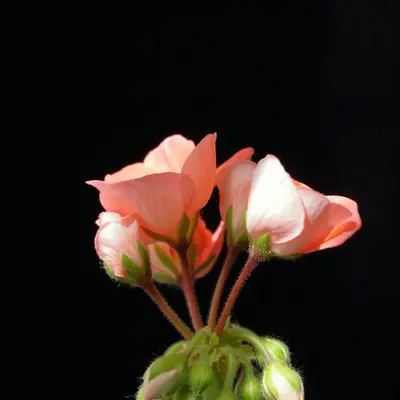
Often called the world's favorite white rose, this legendary floribunda has graced gardens for over 60 years with its pure white blooms and exceptional reliability. Clusters of pristine flowers appear in continuous waves from spring until frost, creating a stunning display against dark green, glossy foliage. Its compact habit, disease resistance, and easy care make it indispensable for borders, mass plantings, and cutting gardens.
Sun
Full sun
Zones
5–11
USDA hardiness
Height
1-8 feet
Planting Timeline
Showing dates for Floribunda Rose - Iceberg in USDA Zone 7
All Zone 7 rose →Zone Map
Click a state to update dates
Floribunda Rose - Iceberg · Zones 5–11
Growing Details
Complete Growing Guide
Iceberg roses are best established from bare-root canes planted in early spring, about two weeks before your last frost date, or in fall during dormancy. Containerized specimens can be planted anytime during the growing season, but spring planting allows the root system to establish before summer heat arrives. Unlike seed-starting, this floribunda is propagated commercially through budding, so you'll be purchasing established plants rather than starting from seed.
Space Iceberg plants 2.5 to 3 feet apart to allow adequate air circulation, which is crucial for this otherwise disease-resistant variety. Dig planting holes slightly wider than the root ball and deep enough that the bud union sits just above soil level in most climates, or slightly below in very cold regions. Amend your soil generously with compost or aged manure, as Iceberg thrives in rich, well-draining soil with a pH between 6.0 and 6.5. Poor drainage is far more problematic than poor fertility for this rose.
Water deeply and consistently, providing about one inch per week through rainfall or irrigation, increasing frequency during hot spells. Early morning watering at soil level—never overhead—helps prevent the fungal issues that occasionally plague even this hardy variety. Once established, Iceberg is quite drought-tolerant, though blooming diminishes without adequate moisture.
Begin feeding in spring when new growth appears, using a balanced rose fertilizer every four to six weeks through mid-summer. Avoid late-season feeding, which encourages tender growth susceptible to frost damage. Iceberg typically requires minimal intervention, but watch for rust in humid conditions, particularly in late summer; improve air circulation by pruning out crowded canes and removing lower foliage if needed. Aphids, thrips, and spider mites occasionally appear but rarely cause serious damage on healthy plants.
Pruning is where many gardeners falter with Iceberg. While this floribunda is forgiving, hard spring pruning—cutting canes back by one-third to one-half—encourages the bushier growth and prolific flowering the variety is famous for. Deadheading spent flower clusters throughout the season extends blooming until frost. A light shaping in late fall prepares plants for winter; avoid heavy fall pruning that stimulates vulnerable new growth.
The critical mistake most gardeners make is planting Iceberg in insufficient light. Although it tolerates partial shade better than many roses, this variety truly shines with at least six hours of direct sun daily. Shadier locations produce leggy plants with fewer blooms and increased susceptibility to disease. If your garden space is limited to partial shade, choose a location with afternoon sun and excellent air flow.
Harvesting
Harvest Iceberg roses when the outer petals just begin to unfurl and the blooms feel firm yet slightly yielding to gentle pressure, typically when flowers are three-quarters open with pure white petals fully developed. Unlike single-harvest roses, Iceberg's continuous blooming pattern allows you to pick throughout the growing season—remove spent flowers promptly to encourage successive flushes of new buds. For longest vase life, cut stems in early morning when hydration levels peak, selecting blooms from the outer edges of clusters first to promote fuller branching and sustained flowering until frost.
The accessory fruit is called a hip and forms after the flowers finish blooming. The hip will appear under the sepals of where the flower was after the flower dies. They will turn from green to red. They are filled with many achenes surrounded by irritating hairs.
Color: Green, Red/Burgundy. Type: Achene. Length: < 1 inch. Width: < 1 inch.
Garden value: Showy
Harvest time: Fall
Edibility: The fruit (called the hip) is edible.
Storage & Preservation
For cut Iceberg roses, store stems in a cool room (65-72°F) away from direct sunlight and ethylene-producing fruits. Trim stems at a 45-degree angle and place in clean water with flower food, changing water every 2-3 days. Fresh cut flowers typically last 7-14 days. For preservation, air-dry blooms by hanging upside-down in a dark, well-ventilated space for 1-2 weeks, creating long-lasting dried arrangements. Alternatively, press petals between paper for botanical crafts, or freeze individual blooms in ice for decorative purposes.
History & Origin
Bred by Mathias Tantau in Germany and introduced in 1958, Iceberg emerged from a floribunda breeding program focused on creating disease-resistant, continuously blooming roses suitable for garden landscapes. The variety's exact parentage remains somewhat obscured in historical records, though it descended from earlier floribunda lines developed during the mid-twentieth century rose-breeding renaissance. Tantau's breeding philosophy emphasized vigor and reliability alongside aesthetic qualities, principles evident in Iceberg's exceptional performance. The rose gained international recognition rapidly, becoming one of the most widely cultivated white floribundas globally and winning numerous horticultural awards throughout subsequent decades.
Origin: Temp. & Subtropical Northern Hemisphere (such as Europe & Asia)
Advantages
- +Produces continuous clusters of pristine white flowers from spring until frost.
- +Exceptional disease resistance and easy care make it ideal for beginners.
- +Compact growth habit suits borders, mass plantings, and cutting gardens perfectly.
- +60+ years of proven reliability establishes it as the world's favorite white rose.
- +Dark green glossy foliage provides beautiful contrast to pure white blooms.
Considerations
- -Susceptible to rust disease in humid or poorly ventilated garden locations.
- -Light fragrance is subtle and may disappoint those seeking strongly scented roses.
- -Regular deadheading required to maintain continuous blooming throughout growing season.
Companion Plants
Lavender, catmint, and thyme planted nearby do double duty — their aromatic oils interfere with aphids and thrips trying to locate the roses by scent, and all three share Iceberg's preference for full sun and sharp drainage without pulling hard on the same water supply. Marigolds (specifically Tagetes patula) are worth tucking in at the base; their root secretions have documented nematode-suppressing properties. Garlic and alliums complement that by disrupting the overwintering cycle of some fungal spores at the soil surface. Clematis climbs the same vertical space without meaningful root competition — its deep taproot and Iceberg's fibrous root zone simply don't overlap much.
Black walnut is a hard no. The juglone it releases through roots and decomposing leaf litter causes wilting and slow decline in roses that can look like drought stress right up until the plant gives out entirely — and you won't fix it by watering more. Large trees nearby cause two separate problems at once: root competition for the roughly 1 inch of water per week Iceberg needs, and canopy shade cutting into the 6-plus daily sun hours that drive bloom production. Impatiens draws Plasmopara obducens (downy mildew) and can act as a standing reservoir that steadily increases disease pressure on whatever is planted within a few feet.
Plant Together
Lavender
Repels aphids and spider mites while attracting beneficial pollinators
Marigold
Deters nematodes and aphids, reduces fungal diseases
Garlic
Repels aphids, Japanese beetles, and helps prevent black spot disease
Catmint
Repels aphids and ants while attracting beneficial insects
Alliums
Deter aphids, thrips, and other pests with their strong scent
Clematis
Provides vertical interest and shade for rose roots while sharing similar care needs
Geraniums
Repel Japanese beetles and rose chafers, complement rose blooms
Thyme
Deters cabbage worms and improves soil health around rose base
Keep Apart
Black Walnut
Produces juglone which is toxic to roses and inhibits their growth
Large Trees
Create excessive shade and compete for nutrients, reducing rose flowering
Impatiens
Require frequent watering which can promote fungal diseases in roses
Pests & Disease Resistance
Resistance
Very good resistance to black spot and powdery mildew
Common Pests
Aphids, thrips, spider mites (generally pest resistant)
Diseases
Rust (occasionally), generally very healthy
Troubleshooting Floribunda Rose - Iceberg
What you'll see, why it happens, and what to do about it.
Dark circular spots on leaves with irregular, 'feathered' edges, followed by yellowing and leaf drop — can start mid-season and accelerate in wet weather
Likely Causes
- Black spot (Diplocarpon rosae) — a fungus that splashes onto foliage during rain or overhead watering
- Leaving nighttime leaf wetness that extends into morning, giving the fungus more time to establish
What to Do
- 1.Strip and bag affected leaves — don't compost them
- 2.Water at the base only, early in the day, so foliage dries before evening
- 3.Mulch around the base in late winter to reduce splash-up; prune out any cane infections in winter while you're at it — NC State Extension's IPM guidance lists both as key cultural controls for black spot
New shoots are elongated with leaves that stay red instead of greening up, OR dense witches'-broom clusters of small shoots, OR dramatically increased thorniness on otherwise-normal canes
Likely Causes
- Rose Rosette Disease (Rose rosette virus), transmitted by the microscopic eriophyid mite (Phyllocoptes fructiphylus)
- Shoot proliferation alone can also result from low-dose glyphosate drift — rule that out before assuming RRD
What to Do
- 1.There is no cure — an infected plant will decline and spread the virus to nearby roses via the mite vector; remove and dispose of the entire plant, roots included
- 2.NC State's Plant Disease and Insect Clinic (PDIC) can confirm the diagnosis; they look for an array of symptoms plus confirmed mite presence rather than relying on any single symptom
- 3.Replace with a confirmed-resistant variety if RRD pressure is high in your area; Iceberg has good general disease resistance, but no rose is immune to RRD
Clusters of small soft-bodied insects on new growth or buds, often with sticky residue on leaves below or distorted shoot tips
Likely Causes
- Rose aphid (Macrosiphum rosae) — favors tender new growth and multiplies fast in spring
- Thrips (Frankliniella occidentalis) can cause similar bud distortion, with petal scarring visible when you open an affected bloom
What to Do
- 1.Knock aphids off with a firm spray of water — repeat every 2 to 3 days until populations drop
- 2.For persistent infestations, apply insecticidal soap directly to the colonies, coating the undersides of leaves where they cluster
- 3.Iceberg is generally considered pest-resistant per NC State Extension, so a heavy infestation often signals a stressed plant — check that it's getting at least 1 inch of water per week and has enough air circulation between canes