Zone 3 Coverage
Planting Timeline — All Varieties
Growing Roses in Zone 3
Zone 3 presents unique challenges for rose enthusiasts, with winter temperatures dropping as low as -40°F and a relatively short growing season. However, don't let these conditions discourage you from creating a stunning rose garden. The key to success lies in selecting roses bred specifically for cold climates and understanding that many traditional garden roses simply won't survive your winters without extraordinary protection. Look for roses with proven hardiness ratings, disease resistance, and the ability to establish quickly in spring.
The roses that thrive in Zone 3 tend to be hardy shrub varieties, rugosas, and select climbers that can bounce back from winter dieback. Canadian Explorer series roses, rugosa hybrids like the classic Rugosa Rose, and newer introductions like the Knock Out series have revolutionized cold-climate rose gardening. These varieties often bloom on new wood, meaning even if winter kills back the canes, you'll still get flowers the following season. Many also offer excellent disease resistance, which is crucial when your growing window is limited and plants need to maximize their energy for survival rather than fighting off black spot or powdery mildew.
Variety Comparison
| Variety ↑ | Days | Difficulty |
|---|---|---|
| Oklahoma | 75-90 | Moderate |
| Shrub Rose - Rugosa Rose | — | Very easy |
| Tropicana | 52 | Easy to moderate |
Variety Details
Oklahoma
Oklahoma is a classic heirloom rose cultivar prized for its vigorous growth and outstanding disease resistance in challenging climates. This variety produces full, fragrant blooms with a strong, rich fragrance ideal for cut flowers and petal harvesting. Reaching 4-6 feet at maturity, Oklahoma thrives in hot, dry conditions where many roses struggle, making it an exceptional choice for Southern and Southwestern gardens seeking reliable, landscape-worthy roses with minimal intervention.
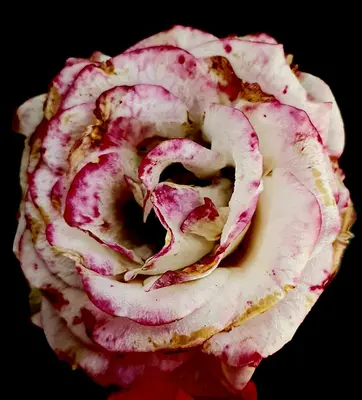
Shrub Rose - Rugosa Rose
An incredibly hardy and low-maintenance rose that thrives in challenging conditions while producing fragrant single flowers followed by large, ornamental rose hips. The distinctive wrinkled foliage turns golden-yellow in fall, and the thorny canes create an excellent barrier planting. This tough species rose is perfect for coastal gardens, naturalized areas, and anywhere you need a rose that practically grows itself.
Tropicana
Tropicana is a vibrant heirloom rose variety featuring warm orange-red blooms with a delicate, sweet fragrance. Reaching full maturity in approximately 52 days, this rose produces medium-sized flowers ideal for cutting and arrangement. Its defining characteristic is the perfect balance of moderate, sweet rose scent combined with exceptional vase life, making it a favorite among florists and home gardeners seeking reliable color and fragrance in one plant.
Zone 3 Growing Tips
Plant your roses in late spring, ideally 2-3 weeks after your average last frost date of May 15th, when soil has warmed and drainage improved from spring snowmelt. This typically means early June planting in Zone 3. Choose the warmest, most protected spot in your garden – ideally with morning sun, some afternoon protection from harsh winds, and excellent drainage. Roses sitting in wet spring soil or exposed to drying winter winds rarely survive Zone 3 conditions.
Winter protection is non-negotiable in your climate. In late fall, after the first hard frost, mound soil or compost 6-8 inches around the base of each plant, covering the graft union completely. For climbing roses like New Dawn or Don Juan, consider laying canes down and covering with mulch or burlap. Tree roses and more tender varieties may need complete burial or wrapping. Remove protection gradually in spring, not all at once, as late frosts can damage newly exposed growth.
Focus on building strong plants quickly during your growing season. Feed regularly with balanced fertilizer through July (stop feeding 6-8 weeks before first frost to allow plants to harden off), ensure consistent moisture during establishment, and deadhead spent blooms to encourage repeat flowering. Remember that in Zone 3, a rose that establishes well in its first year has a much better chance of surviving subsequent winters.
Season Overview
Your 120-day growing season from mid-May through mid-September means choosing roses that bloom reliably and repeatedly during this window. Avoid roses that need long seasons to establish or bloom late in summer, as they won't have time to harden off before your September 15th average first frost. Instead, focus on varieties like Knock Out roses, rugosas, and hardy shrub roses that begin blooming in June and continue through your first light frosts. Many of these selections will give you blooms from late June through October in a typical year, maximizing color during your brief but intensive growing season.