Blaze Climbing Rose
Rosa 'Blaze'
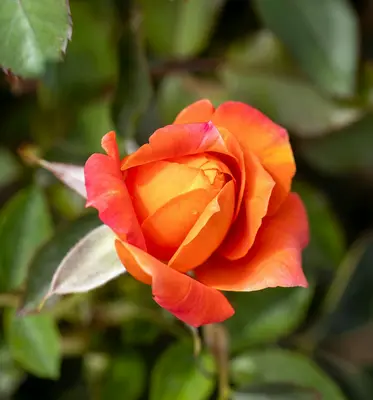
America's most popular climbing rose since the 1930s, beloved for its spectacular display of bright red blooms and incredible hardiness. This vigorous climber produces masses of semi-double flowers in spring with good repeat blooms throughout the season. Perfect for covering arbors, fences, or walls where you want dramatic color impact.
Sun
Full sun
Zones
5–11
USDA hardiness
Height
1-8 feet
Planting Timeline
Showing dates for Blaze Climbing Rose in USDA Zone 7
All Zone 7 rose →Zone Map
Click a state to update dates
Blaze Climbing Rose · Zones 5–11
Growing Details
Complete Growing Guide
Blaze Climbing Rose begins its journey best from a bare-root plant or established container specimen rather than from seed, as this ensures you get the true cultivar that has been treasured since the 1930s. Plant in early spring before new growth emerges, or in fall at least six weeks before your first frost so roots can establish before winter dormancy. This timing allows the vigorous canes to begin their impressive climb during the active growing season.
Prepare your planting site by working compost or well-aged manure into the soil to a depth of at least twelve inches, as Blaze responds enthusiastically to rich, well-draining soil. Space your rose at least three to four feet from any structure or support, allowing room for air circulation that helps prevent the black spot fungus this variety can develop in humid conditions. Position it in a location receiving at least six hours of direct sun daily—more sun means more of those spectacular red blooms and stronger disease resistance.
Water deeply at the base of the plant twice weekly during the first growing season to establish a strong root system, then adjust based on rainfall. During active growth, provide a balanced rose fertilizer monthly from spring through late summer, switching to a lower-nitrogen formula in fall to encourage hardening off before winter. Blaze is a heavy feeder that rewards consistent nutrition with more prolific blooming.
Watch carefully for Japanese beetles and aphids, which are particularly attracted to the tender new growth and flowers of this variety. Check the undersides of leaves regularly for spider mites, especially during hot, dry weather. At the first sign of infestation, spray with insecticidal soap or neem oil rather than waiting for populations to explode. Monitor foliage in humid summers for the black spot fungus; remove affected leaves immediately and improve air circulation by pruning out crossing or crowded canes.
Pruning is essential to maximize Blaze's performance. In early spring, remove all dead or damaged wood, then tie the longest canes horizontally along your support structure to encourage lateral flowering shoots. After the spring bloom flush fades, deadhead spent flowers to trigger repeat blooms throughout summer and fall. Lightly prune in late summer to tidy the plant without stimulating tender new growth vulnerable to frost.
Many gardeners fail to provide adequate support structures, expecting this vigorous climber to magically cling or sprawl. Install sturdy trellising, arbors, or horizontal wires before planting, as Blaze grows eight feet or more and requires proper framework to display those masses of red flowers effectively. Without strategic training and tying, even this American classic becomes an unruly sprawl rather than the showstopping specimen it's meant to be.
Harvesting
Blaze climbing roses reach peak harvest readiness when the semi-double blooms display fully saturated crimson color and the petals feel velvety soft but still hold firm structure without any papery texture. Unlike single-flush varieties, Blaze produces continuous repeat blooms throughout the season, allowing gardeners to harvest regularly rather than waiting for one dramatic flush. Cut flowers in early morning when stems are fully hydrated, selecting blooms that have just opened enough to reveal their inner petals but before the centers begin to loosen. Harvest by cutting stems at a 45-degree angle just above an outward-facing leaf node, which encourages branching and maintains the plant's abundant flowering pattern. Remove any foliage that would sit below the waterline in your vase to extend the cut flower's longevity.
The accessory fruit is called a hip and forms after the flowers finish blooming. The hip will appear under the sepals of where the flower was after the flower dies. They will turn from green to red. They are filled with many achenes surrounded by irritating hairs.
Color: Green, Red/Burgundy. Type: Achene. Length: < 1 inch. Width: < 1 inch.
Garden value: Showy
Harvest time: Fall
Edibility: The fruit (called the hip) is edible.
Storage & Preservation
Blaze Climbing Rose blooms are best kept in a cool location, ideally a refrigerator at 34-40°F with 90% humidity for extended freshness—cut stems last 7-10 days when properly hydrated. For preservation, air-dry flower clusters in a dark, ventilated space for dried arrangements lasting months. Alternatively, press individual petals between parchment paper under weight for 2-3 weeks to create decorative dried specimens. Freezing petals in ice cubes preserves them for herbal applications, maintaining color and fragrance for several weeks.
History & Origin
Introduced in 1932 by the Jackson & Perkins Company, one of America's premier rose breeders, 'Blaze' was developed as a hardy, disease-resistant climbing rose for American gardens. The variety emerged during the company's mid-twentieth-century expansion into landscape roses, reflecting breeder priorities of the era: vigor, repeat blooming, and striking color. While the specific parentage remains somewhat obscure in available horticultural records, 'Blaze' belongs to the lineage of large-flowered climbing roses that dominated American horticulture. Its rapid ascent to popularity coincided with the post-Depression era's renewed interest in home gardening and ornamental landscaping, making it among the most commercially successful climbing roses ever bred.
Origin: Temp. & Subtropical Northern Hemisphere (such as Europe & Asia)
Advantages
- +Iconic American variety with proven popularity since the 1930s
- +Produces spectacular bright red blooms with excellent repeat flowering
- +Extremely hardy and vigorous climber ideal for large structures
- +Semi-double flowers create dramatic color impact on arbors and fences
- +Light sweet fragrance complements stunning visual display
Considerations
- -Susceptible to black spot fungus in humid or wet climates
- -Attracts Japanese beetles, aphids, and spider mites regularly
- -Light fragrance may disappoint those seeking strongly scented climbing roses
Companion Plants
Lavender, catmint, and alliums — garlic, chives, and ornamental alliums — are the strongest companions for Blaze. Lavender and catmint draw predatory wasps and hoverflies that keep rose aphid (Macrosiphum rosae) populations from getting out of hand, and their volatile oils appear to disrupt Japanese beetle feeding patterns. Garlic and chives contribute sulfur compounds at the soil surface that may suppress early Diplocarpon rosae spore activity and deter aphids from settling in. Marigolds add nematode suppression via thiophenes released from their roots — a real mechanism, not just folklore. Black Walnut is the one plant you genuinely cannot put anywhere nearby: juglone leaches from its roots and is acutely toxic to roses, and the damage radius is wider than most gardeners expect. Large trees are a subtler problem — less about chemistry and more about the fact that Blaze needs 6 or more hours of direct sun to rebloom reliably, and a mature canopy will quietly starve it of both light and water.
Plant Together
Lavender
Repels aphids, moths, and other pests while attracting beneficial pollinators
Marigolds
Deter nematodes, aphids, and whiteflies with their strong scent
Garlic
Repels aphids, spider mites, and fungal diseases when planted at base
Chives
Prevent black spot and aphids while improving rose fragrance
Catmint
Deters ants, aphids, and rodents while attracting beneficial insects
Alliums
Repel aphids, thrips, and other rose pests with sulfur compounds
Parsley
Attracts beneficial insects like hoverflies that prey on aphids
Clematis
Shares similar growing conditions and provides complementary blooming periods
Keep Apart
Black Walnut
Releases juglone toxin that inhibits rose growth and can cause yellowing
Large Trees
Compete for nutrients and water while creating excessive shade
Brassicas
May attract pests like cabbage worms that can damage rose foliage
Pests & Disease Resistance
Resistance
Good overall disease resistance, very hardy
Common Pests
Japanese beetles, aphids, spider mites
Diseases
Black spot in humid conditions, generally disease tolerant
Troubleshooting Blaze Climbing Rose
What you'll see, why it happens, and what to do about it.
Dark spots with irregular, feathered edges on leaves, followed by yellowing and heavy leaf drop — often starting by mid-summer
Likely Causes
- Black spot (Diplocarpon rosae) — a fungal disease that overwinters on infected canes and fallen leaves, spreads via water splash
- Overhead watering that keeps foliage wet into the evening
What to Do
- 1.Strip and bag (don't compost) all affected leaves on the ground and on the plant
- 2.Water at the base only, early in the morning — NC State Extension specifically warns against extending nighttime leaf wetness into morning or evening
- 3.In late winter, prune out any cane infections, cutting 4 to 6 inches back into clean wood, and sanitize shears between cuts
- 4.Mulch around the base in late winter to reduce soil-splash transmission next season
New shoots elongated and spindly, leaves holding an unusual red or maroon color well past the juvenile stage — sometimes with a sudden flush of small, deformed canes (witches'-broom) or a dramatic increase in thorniness
Likely Causes
- Rose Rosette Disease (RRD), caused by Rose rosette virus, transmitted by the eriophyid mite Phyllocoptes fructiphilus
- Symptoms vary by cultivar and shift as the disease progresses, per NC State Extension — excessive thorniness is a near-certain indicator when present, but not all infected plants show it
What to Do
- 1.There is no cure — remove and destroy the entire plant, roots included, as soon as you're confident in the diagnosis
- 2.Do not compost any part of an RRD-infected plant
- 3.Check neighboring roses within 10 feet; the mite vector moves short distances, so surrounding plants are at real risk
Leaves stippled with tiny pale dots, undersides covered in fine webbing — plant looks dusty and dull, may drop leaves in hot weather
Likely Causes
- Two-spotted spider mite (Tetranychus urticae) — populations explode in hot, dry conditions above 85°F
- Water stress and dusty conditions, which accelerate mite reproduction
What to Do
- 1.Hit the undersides of leaves with a strong stream of water every 2 to 3 days for a week — mites knocked off rarely climb back
- 2.Apply insecticidal soap or neem oil to leaf undersides in the early morning before temperatures climb
- 3.Keep the plant well-watered at 1 to 2 inches per week; drought-stressed canes attract mites faster than healthy ones
Canes and new growth covered in clusters of small, soft-bodied insects — usually green, black, or pinkish — buds distorted or failing to open
Likely Causes
- Rose aphid (Macrosiphum rosae) — populations build fast in spring when new growth is most tender
- Excess nitrogen from heavy fertilizing, which pushes the soft, succulent growth aphids prefer
What to Do
- 1.Knock them off with a firm water spray; repeat every couple of days until numbers drop
- 2.Avoid broad-spectrum insecticides if ladybugs or parasitic wasps are already working the colony — let them finish the job
- 3.For heavy infestations, apply insecticidal soap directly to the clusters and coat thoroughly, since it only kills on contact