Tiffany Rose
Rosa 'Tiffany'
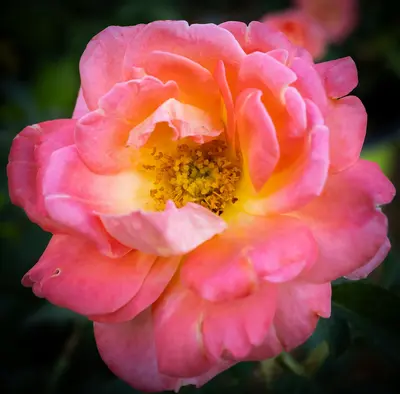
A stunning hybrid tea rose that captivated gardeners in the 1950s with its perfect form and intoxicating fragrance. The silvery-pink blooms are incredibly elegant, making it a favorite for cut flower arrangements and formal gardens. This award-winning variety combines classic beauty with reliable performance in the home garden.
Sun
Full sun
Zones
5–11
USDA hardiness
Height
1-8 feet
Planting Timeline
Showing dates for Tiffany Rose in USDA Zone 7
All Zone 7 rose →Zone Map
Click a state to update dates
Tiffany Rose · Zones 5–11
Growing Details
Complete Growing Guide
Tiffany roses are best established from bare-root canes or container-grown plants rather than seeds, making spring planting after your last frost date the ideal timing. If starting bare-root specimens, soak the canes in water for several hours before planting to rehydrate them after dormancy. Plant in early spring when soil is workable but still cool, allowing the rose to establish roots before summer heat arrives.
Space Tiffany rose plants three to four feet apart to ensure adequate air circulation, which is crucial for this variety's susceptibility to fungal diseases. Dig planting holes eighteen inches deep and wide, mixing the native soil with compost and aged manure in equal parts. This hybrid tea rose thrives in well-draining soil rich in organic matter; poor drainage will quickly lead to root rot. Position the bud union (the knuckle where the rose was grafted) at or slightly below soil level in cold climates, which protects it during winter.
Water deeply at the base of the plant two to three times weekly during the growing season, providing approximately one inch of water per week through rainfall or irrigation. Increase watering frequency during hot, dry spells, but always allow the soil surface to dry slightly between waterings. Feed Tiffany roses monthly from spring through early fall with a balanced rose fertilizer or one slightly higher in phosphorus to encourage blooming. Cease feeding by late August to help the plant harden off before winter.
Tiffany roses in particular are prone to aphids clustering on new growth and spider mites stippling the foliage during dry conditions. Inspect plants weekly, especially the tender shoot tips, and spray with insecticidal soap at first sign of infestation. Powdery mildew and black spot are this cultivar's most serious disease threats; these fungal issues thrive when foliage remains wet. Water only at soil level in early morning, never overhead, and ensure excellent air movement around the plant. Apply preventative sulfur or fungicide sprays every ten to fourteen days during humid periods.
Pruning Tiffany roses in early spring—once forsythia blooms in your area—encourages bushier growth and more abundant flowers. Remove dead or diseased wood entirely, then cut remaining canes back by one-third, making cuts just above outward-facing eyes. Remove the oldest canes at ground level annually to rejuvenate the plant. Deadhead spent blooms throughout the season to extend flowering.
Many gardeners underestimate Tiffany's preference for consistent conditions. While it tolerates partial shade, this variety was bred for full sun and genuinely needs six to eight hours of direct sunlight daily to produce those legendary silvery-pink blooms with proper form and fragrance. Planting in insufficient light results in fewer flowers and increased disease pressure.
Harvesting
Harvest Tiffany Rose blooms when the outer petals just begin to unfurl and reveal the silvery-pink interior, as this cultivar reaches peak elegance at this precise stage rather than when fully open. The bloom should feel slightly firm to the touch with petals that offer gentle resistance, and the color should display its characteristic luminous pink tone without browning at the petal edges. Cut in early morning when stems are fully hydrated, using sharp shears to make a clean cut above an outward-facing five-leaflet leaf. Tiffany Rose produces continuous blooms throughout the growing season rather than a single flush, so deadheading spent flowers encourages prolific flowering and maintains the plant's vigor for extended harvests into fall.
The accessory fruit is called a hip and forms after the flowers finish blooming. The hip will appear under the sepals of where the flower was after the flower dies. They will turn from green to red. They are filled with many achenes surrounded by irritating hairs.
Color: Green, Red/Burgundy. Type: Achene. Length: < 1 inch. Width: < 1 inch.
Garden value: Showy
Harvest time: Fall
Edibility: The fruit (called the hip) is edible.
Storage & Preservation
Fresh Tiffany Rose blooms should be stored in a cool room away from direct sunlight and ripening fruit. Keep stems in clean, room-temperature water with a floral preservative added. For extended freshness, store cut arrangements in a refrigerator at 2-4°C with 75-80% humidity when not on display. Blooms typically last 7-10 days when properly conditioned. Preservation methods include air-drying petals for potpourri in a dark, well-ventilated area; pressing blooms between paper for floral crafts; or freezing petals in ice cubes for decorative use. Dried petals can be stored in airtight containers for several months.
History & Origin
Introduced by the American Rose Society in 1954, 'Tiffany' was bred by Robert V. Lindquist, a prominent rose hybridizer working in California during the post-war rose breeding renaissance. This hybrid tea rose emerged from carefully selected parentage within Lindquist's breeding program, which focused on combining the formal elegance of classic hybrid teas with superior garden performance. 'Tiffany' quickly became celebrated for its silvery-pink blooms and exceptional fragrance, earning the prestigious All-America Rose Selection award in 1955. The variety represents a significant achievement in twentieth-century rose breeding, establishing itself as a benchmark for hybrid tea roses and cementing Lindquist's reputation as one of America's most influential rose breeders.
Origin: Temp. & Subtropical Northern Hemisphere (such as Europe & Asia)
Advantages
- +Silvery-pink blooms with perfect form ideal for elegant cut flower arrangements
- +Strong, sweet fragrance makes Tiffany Rose exceptionally fragrant and intoxicating
- +Award-winning hybrid tea rose with proven reliability in home gardens
- +Classic beauty combined with moderate growing difficulty for most gardeners
Considerations
- -Highly susceptible to black spot and powdery mildew in humid climates
- -Requires regular pest management due to aphids, spider mites, and thrips
- -Vulnerable to multiple fungal diseases including rust and downy mildew
Companion Plants
Lavender, catmint, and alliums — chives and garlic specifically — are the companions worth planting close to Tiffany Rose. Lavender and catmint pull in lacewings and parasitic wasps that keep aphid pressure manageable without any intervention from you. Chives and garlic push out sulfur compounds that are thought to deter aphids and Japanese beetles; set them 12–18 inches from the canes so they don't compete for water. Tagetes patula marigolds add another layer, attracting beneficials and producing a scent that disrupts thrips. In our zone 7 Georgia garden, that combination works from April through October without much fuss.
Black walnut deserves a hard no — juglone, the compound released by its roots and decomposing hulls, causes wilting and gradual decline that reads exactly like a soil-borne disease and is just as hard to reverse. Large trees create a different problem: they cut into the 6-plus hours of direct sun Tiffany Rose needs to bloom well, and that shade stress leaves the plant more vulnerable to Diplocarpon rosae than it would be in an open bed. Brassicas aren't chemically incompatible, but they're heavy nitrogen feeders and will quietly rob a rose bed of what it needs if space is tight.
Plant Together
Lavender
Repels aphids, moths, and other pests while attracting beneficial pollinators
Marigolds
Deter aphids, whiteflies, and nematodes with their strong scent
Chives
Repel aphids and Japanese beetles while improving soil health
Garlic
Natural fungicide properties help prevent black spot and powdery mildew
Catmint
Deters ants, aphids, and rodents while attracting beneficial insects
Alliums
Strong scent repels aphids, thrips, and other rose pests
Geraniums
Repel Japanese beetles and other harmful insects
Clematis
Provides complementary growth habit and attracts beneficial pollinators
Keep Apart
Black Walnut
Releases juglone toxin that inhibits rose growth and can cause wilting
Large Trees
Compete for nutrients and water while creating excessive shade
Brassicas
Heavy feeders that compete for nutrients and may attract pests harmful to roses
Pests & Disease Resistance
Resistance
Moderate resistance to common rose diseases
Common Pests
Aphids, spider mites, thrips, rose chafer beetles
Diseases
Black spot, powdery mildew, rust, downy mildew
Troubleshooting Tiffany Rose
What you'll see, why it happens, and what to do about it.
Dark spots with irregular, feathered edges on leaves; leaves yellowing and dropping, sometimes starting as early as late spring
Likely Causes
- Black spot (Diplocarpon rosae) — a fungal disease that splashes up from soil or infected fallen leaves during rain
- Overhead watering that extends leaf wetness into morning or evening hours
- Poor air circulation from crowded or unpruned canes
What to Do
- 1.Strip and bag all affected leaves — do not compost them
- 2.Water at the base only, ideally in the morning so foliage stays dry; NC State Extension specifically flags nighttime leaf wetness as a driver
- 3.Prune out any cane infections in winter and mulch around the base in late winter to reduce soil splash
- 4.If the problem recurs season after season, consider replacing with a less susceptible cultivar like 'Knock Out' or 'Carefree Beauty'
White powdery coating on new leaves and buds, leaves curling or distorting, worst in late spring and early fall
Likely Causes
- Powdery mildew (Podosphaera pannosa) — thrives in warm days and cool nights with low rainfall, which is common in Georgia shoulder seasons
- Excess nitrogen pushing out soft, succulent new growth that the fungus prefers
What to Do
- 1.Prune out heavily infected shoot tips and dispose of them
- 2.Back off on high-nitrogen fertilizer; side-dress with compost instead of synthetic feed mid-season
- 3.Thin canes so the canopy isn't dense; space new plants at least 3 feet apart at planting to maintain airflow from the start
New canes with excessive thorniness, shoots elongating abnormally and holding a juvenile red or burgundy color, or broom-like shoot proliferation (witches'-broom)
Likely Causes
- Rose Rosette Disease (RRD), caused by Rose rosette virus and spread by the microscopic eriophyid mite Phyllocoptes fructiphilus
- Witches'-broom alone can also result from low-dose glyphosate drift — check nearby herbicide use before assuming RRD
What to Do
- 1.There is no cure — if RRD is confirmed, dig out and bag the entire plant, roots included, and dispose of it; do not compost
- 2.NC State's Plant Disease and Insect Clinic (PDIC) can confirm the diagnosis using symptom pattern and mite presence if you need certainty before removal
- 3.Apply a miticide to nearby roses in early spring to reduce eriophyid mite populations and slow spread to healthy plants
Stippled, bronzed, or dusty-looking leaves with fine webbing on the undersides, especially during hot dry stretches; or flower petals streaked and distorted even before opening
Likely Causes
- Two-spotted spider mite (Tetranychus urticae) — populations explode when temperatures stay above 85°F and humidity drops
- Thrips (Frankliniella occidentalis) cause similar silvery stippling on leaves and are the more likely culprit when damage shows up inside the bud or on petals
What to Do
- 1.Blast the undersides of leaves with a strong jet of water from a hose — do this in the morning so foliage dries by afternoon
- 2.For confirmed spider mite pressure, apply insecticidal soap or neem oil to leaf undersides; repeat every 7 days for 3 applications
- 3.Avoid broad-spectrum insecticides that kill predatory mites, which naturally keep two-spotted mite numbers in check