Climbing Pierre de Ronsard
Rosa 'Pierre de Ronsard'
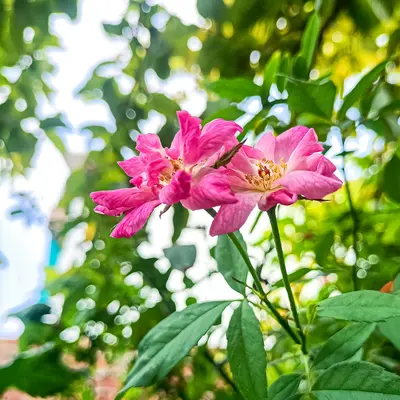
Often called the Eden Rose, this spectacular climbing rose produces some of the most romantic blooms imaginable with creamy white petals edged in deep pink. The large, cabbage-like flowers have an old garden rose charm but with modern disease resistance and repeat blooming throughout the season. This vigorous climber transforms walls, arbors, and pergolas into breathtaking floral displays that stop visitors in their tracks.
Sun
Full sun
Zones
5–11
USDA hardiness
Height
1-8 feet
Planting Timeline
Showing dates for Climbing Pierre de Ronsard in USDA Zone 7
All Zone 7 rose →Zone Map
Click a state to update dates
Climbing Pierre de Ronsard · Zones 5–11
Growing Details
Complete Growing Guide
Climbing Pierre de Ronsard is best established from bare-root canes or container-grown plants rather than seeds, as this cultivar is a grafted variety and won't come true from seed. Plant in early spring, about two to three weeks before your last frost date, or in fall during dormancy in mild climates. Container roses can be planted anytime during the growing season, but spring establishment gives them the full season to develop strong root systems before their first winter.
Prepare your planting site by working compost or well-rotted manure into the soil to a depth of 12 to 18 inches, as this vigorous climbing variety will draw heavily from its root zone throughout the growing season. Space the plant at least 3 feet from walls or structures to allow air circulation, which helps prevent the occasional black spot this cultivar is prone to in humid conditions. Dig a hole slightly wider than the root ball, position the graft union about two inches below soil level (this deeper planting helps prevent canker issues), and backfill with amended soil. Water thoroughly after planting.
Water deeply and consistently, providing about one to two inches per week through rainfall and irrigation combined. During hot spells, check soil moisture every few days, as climbing roses on vertical structures dry out faster than shrub roses. Feed monthly from spring through late summer with a balanced rose fertilizer, then reduce feeding in late summer to encourage hardiness rather than tender new growth heading into winter.
This variety attracts aphids early in the season and Japanese beetles during mid-summer, so scout regularly and spray affected areas with insecticidal soap or neem oil at the first sign of damage. Scale insects can hide on the canes themselves, so during dormant season pruning, inspect the woody stems carefully and scrape off any visible scale clusters. The occasional black spot will appear in prolonged humid periods; remove affected leaves promptly and improve air circulation by pruning out crossing canes.
Proper training is essential for maximizing blooms on this climber. Rather than letting canes grow straight upward, gently tie them horizontally or at wide angles along your support structure—this redirects energy from vertical growth into lateral flowering shoots, creating the full, romantic cascade of blooms this rose is famous for. In early spring, remove dead or diseased wood and any canes damaged by winter weather or canker. Cut out the oldest woody canes at ground level every few years to encourage vigorous renewal.
The most common mistake gardeners make with Climbing Pierre de Ronsard is underestimating how much horizontal space it needs. Tying the long canes vertically creates a narrow, sparse specimen that flowers only at the top; training them sideways transforms the same plant into a glorious mound of creamy pink-edged blooms from bottom to top.
Harvesting
Harvest Climbing Pierre de Ronsard blooms when the outer petals transition from creamy white to a deeper pink blush, indicating the flower has fully opened yet remains structurally firm. The large, cabbage-like blooms are ready when they feel slightly soft but not papery to the touch, and the overall diameter reaches four to five inches. Since this cultivar repeat blooms throughout the season, deadhead spent flowers regularly to encourage continuous production rather than waiting for a single flush. Cut stems in early morning when stems are fully hydrated, selecting those with at least two sets of leaves below the cut to promote vigorous regrowth and ensure the plant maintains its climbing form on structures.
The accessory fruit is called a hip and forms after the flowers finish blooming. The hip will appear under the sepals of where the flower was after the flower dies. They will turn from green to red. They are filled with many achenes surrounded by irritating hairs.
Color: Green, Red/Burgundy. Type: Achene. Length: < 1 inch. Width: < 1 inch.
Garden value: Showy
Harvest time: Fall
Edibility: The fruit (called the hip) is edible.
Storage & Preservation
Cut stems should be displayed in fresh water at room temperature (65-72°F) in a cool location away from direct sunlight and ripening fruit. Change water every 2-3 days and re-cut stems at an angle. Blooms last 7-10 days indoors. For preservation: dry petals by hanging stems upside-down in a dark, well-ventilated space for 2-3 weeks; press flowers between heavy books with parchment paper for 3-4 weeks; or freeze petals in ice cube trays with water for decorative use.
History & Origin
Pierre de Ronsard was bred by the French rose breeder Meilland International in 1985, originally introduced as a shrub rose before being developed into a climbing form. Named after the Renaissance French poet, this variety emerged from Meilland's extensive hybridization program, which has long specialized in creating garden roses combining classic aesthetics with modern resilience. The climbing sport, which naturally developed from the original shrub cultivar, became widely available in the 1990s and quickly gained international recognition under its marketing name "Eden Rose." While detailed parentage documentation remains limited in publicly available sources, the variety represents Meilland's signature approach of blending old garden rose charm with contemporary disease resistance and repeat-flowering characteristics.
Origin: Temp. & Subtropical Northern Hemisphere (such as Europe & Asia)
Advantages
- +Produces stunning creamy white flowers with deep pink edges year-round
- +Old garden rose charm combined with modern disease resistance and vigor
- +Transforms structures into breathtaking floral displays that attract admiration
- +Light, sweet fragrance adds romantic appeal to gardens and outdoor spaces
- +Vigorous climbing growth efficiently covers walls, arbors, and pergolas
Considerations
- -Susceptible to black spot fungus in humid or wet climates
- -Attracts multiple pests including aphids, Japanese beetles, and scale insects
- -Requires moderate care and maintenance for optimal blooming performance
- -Canker disease can damage canes and reduce overall plant health
Companion Plants
Lavender, catmint, and alliums are the plants worth keeping close to Pierre de Ronsard. Lavender and catmint pull in parasitic wasps and hoverflies that hold aphid populations down without any intervention from you. Alliums and garlic work through sulfur compounds that deter aphids and may inhibit some fungal spores at the soil surface — close planting matters here, within about 12 inches of the canes. Marigolds add another layer: their roots secrete alpha-terthienyl, which suppresses soil nematodes, and their flowers attract predatory insects. Nasturtiums are worth a spot if you're willing to manage them actively — they pull aphid colonies away from the rose, but you'll need to yank them once the infestation gets heavy rather than let it spread back.
Black walnut is the flat-out exclusion. Its roots release juglone, which interferes with cellular respiration in a wide range of plants, and roses are susceptible. Large trees create a different but equally real problem: their canopy cuts into the 6+ hours of full sun Pierre de Ronsard needs, and their root systems compete aggressively for water in the top 12 to 18 inches of soil — exactly where rose feeder roots sit. Boxwood brings pest and disease management overlap that makes both plants harder to keep clean.
Plant Together
Lavender
Repels aphids, spider mites, and other rose pests while attracting beneficial pollinators
Marigolds
Deters nematodes, aphids, and whiteflies while adding vibrant color contrast
Catmint
Repels aphids, ants, and rodents while attracting beneficial insects
Alliums
Natural fungicide properties help prevent black spot and powdery mildew
Clematis
Compatible climbing partner that shares similar growing conditions and extends bloom season
Parsley
Attracts beneficial insects like hoverflies that prey on aphids
Garlic
Natural pest deterrent and may help prevent fungal diseases in roses
Nasturtiums
Acts as trap crop for aphids and adds edible flowers
Keep Apart
Black Walnut
Produces juglone toxin that inhibits rose growth and can cause wilting
Large Trees
Compete for nutrients and water while creating excessive shade that roses need
Boxwood
Shallow root system competes heavily with roses for surface nutrients and water
Pests & Disease Resistance
Resistance
Good resistance to black spot, powdery mildew, and rust
Common Pests
Aphids, Japanese beetles, scale insects
Diseases
Occasional black spot in humid conditions, canker
Troubleshooting Climbing Pierre de Ronsard
What you'll see, why it happens, and what to do about it.
Dark circular spots with irregular, feathered edges on leaves, followed by yellowing and leaf drop
Likely Causes
- Black spot (Diplocarpon rosae) — fungal, overwinters on fallen leaves and infected canes
- Overhead watering that keeps foliage wet into morning or evening
What to Do
- 1.Strip and trash (not compost) all affected leaves, and rake up any fallen leaves around the base
- 2.Mulch around the base in late winter to prevent soil splash onto lower leaves
- 3.Water at the base only — drip or soaker hose — and prune for airflow; NC State Extension also recommends pruning out cane infections during dormancy, cutting 4 to 6 inches into clean wood
New shoots are excessively thorny, or show abnormal elongation with leaves that stay red instead of greening up
Likely Causes
- Rose rosette disease (Rose rosette virus), transmitted by the eriophyid mite Phyllocoptes fructiphilus
- Shoot proliferation (witches'-broom) can also appear as the disease advances
What to Do
- 1.Dig out and bag the entire plant — roots included — immediately; there is no cure for RRD
- 2.Do not compost any part of it; double-bag and put it in the trash
- 3.Wait at least one full season before replanting a rose in the same spot, and consider a more resistant class like Knock Out or the Easy Elegance series, which NC State Extension cites as less susceptible options
Clusters of small soft-bodied insects on new growth and buds, often with sticky residue or distorted shoot tips
Likely Causes
- Aphids (commonly Macrosiphum rosae, the rose aphid) — populations spike fast in spring when new growth is soft
- Absence of natural predators, often because nearby pesticide use has knocked out ladybugs and lacewings
What to Do
- 1.Knock them off with a firm stream of water from a hose — repeat every 2 to 3 days until the population drops
- 2.If water alone isn't cutting it, apply insecticidal soap directly to the colonies, hitting the undersides of leaves too
- 3.Garlic or alliums planted within 12 inches of the canes provide a low-effort deterrent through sulfur compounds
Skeletonized leaves or chewed petals, with shiny copper-green beetles visible on the plant from late June through August
Likely Causes
- Japanese beetles (Popillia japonica) — adults feed heavily on open blooms and are drawn to roses in full sun
- Pheromone traps placed too close to the plant, which draw in more beetles than they catch
What to Do
- 1.Hand-pick beetles in the early morning when they're sluggish and drop them into a bucket of soapy water — this is genuinely the most effective method at garden scale
- 2.Move any pheromone traps at least 30 feet away from the rose, or remove them entirely
- 3.Neem oil applied every 7 days can reduce feeding damage; spray in the evening to avoid harming pollinators