Olivia Rose Austin
Rosa 'Ausmixture'
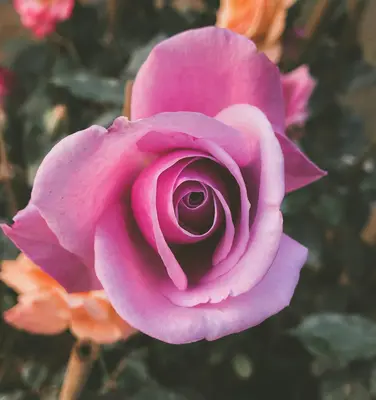
Named after David Austin's granddaughter, this enchanting English rose produces perfectly formed pink blooms with an incredible Old Rose fragrance. The soft pink petals deepen to rich pink at the center, creating a romantic gradient effect that makes it irresistible to rose lovers. This compact variety is perfect for smaller gardens and containers.
Sun
Full sun
Zones
5–11
USDA hardiness
Height
1-8 feet
Planting Timeline
Showing dates for Olivia Rose Austin in USDA Zone 7
All Zone 7 rose →Zone Map
Click a state to update dates
Olivia Rose Austin · Zones 5–11
Growing Details
Complete Growing Guide
Olivia Rose Austin is best purchased as a bare-root plant or container-grown specimen from a reputable rose nursery rather than started from seed, as this English rose variety does not come true from seed and requires grafting onto rootstock to achieve its characteristic compact growth habit. If you do source bare-root plants, plant them in early spring before bud break or in fall after leaves drop, timing your planting at least two weeks before your region's last hard frost. Container-grown specimens can be planted any time during the growing season, though spring and fall are ideal for establishing strong root systems before summer stress.
Prepare your planting site by amending soil with generous amounts of well-draining compost or aged manure, as Olivia Rose Austin thrives in rich, moisture-retentive but not waterlogged soil. Space plants 2-3 feet apart to allow adequate air circulation around the compact 3-5 foot mature size, which helps prevent the rust problems this variety occasionally encounters in humid conditions. Plant with the graft union 1-2 inches below soil level in colder climates to protect against winter damage. This variety prefers at least six hours of direct sunlight daily but tolerates some afternoon shade in hot climates.
Water deeply and consistently, providing approximately one inch per week through drip irrigation or soaking at the base rather than overhead watering. Overhead moisture on foliage significantly increases rust susceptibility, particularly problematic for Olivia Rose Austin in wet springs. Begin feeding in early spring with a balanced rose fertilizer, then switch to a formula higher in potassium and phosphorus once blooming begins, feeding every 4-6 weeks through late summer. Cease feeding by early fall to allow the plant to harden off before winter.
Watch vigilantly for aphids, which cluster on new growth and can distort emerging blooms before you notice them. Spider mites thrive in hot, dry conditions at the base of the plant, so consistent watering and occasional misting of lower foliage helps deter infestations. Rose leafhoppers cause stippled, yellowing foliage but rarely cause serious damage to established plants. Scout regularly and address infestations early with insecticidal soap or neem oil rather than waiting for populations to explode.
Prune Olivia Rose Austin in early spring to maintain its tidy, compact form, removing dead wood and crossing canes. Light deadheading throughout the season encourages repeat blooming and prevents disease organisms from establishing in spent flowers. This variety produces its most abundantly fragrant blooms during cooler spring and fall months when temperatures remain below 85°F. Many gardeners make the mistake of expecting equal performance during summer heat; instead, plan your viewing and cutting schedule for spring and autumn when Olivia Rose Austin's Old Rose fragrance truly shines and flower quality peaks.
Harvesting
Olivia Rose Austin reaches peak harvest readiness when the outer petals have fully unfurled to reveal the deeper pink center, and the bloom feels delicately soft rather than papery or brittle. At this stage, the flower typically measures three to four inches across and the fragrance intensifies noticeably. This variety produces blooms continuously throughout the growing season rather than in a single flush, making regular harvesting every two to three days highly rewarding. For optimal longevity in the vase, cut stems early in the morning after the dew has dried but before afternoon heat stresses the plant, selecting stems with at least two sets of leaves below the cut to encourage vigorous regrowth and abundant future flowering.
The accessory fruit is called a hip and forms after the flowers finish blooming. The hip will appear under the sepals of where the flower was after the flower dies. They will turn from green to red. They are filled with many achenes surrounded by irritating hairs.
Color: Green, Red/Burgundy. Type: Achene. Length: < 1 inch. Width: < 1 inch.
Garden value: Showy
Harvest time: Fall
Edibility: The fruit (called the hip) is edible.
Storage & Preservation
Olivia Rose Austin roses are best stored at room temperature (65-72°F) in a cool location away from direct sunlight and ripening fruit. For extended freshness, place stems in fresh water with flower food and mist petals daily. Shelf life is typically 7-10 days. Preservation methods include air-drying stems upside-down in a dark, well-ventilated space for dried arrangements; pressing individual petals between parchment paper for botanical crafts; or creating rose water by steeping petals in distilled water. Glycerin treatment also helps preserve the delicate blooms for decorative use.
History & Origin
Named after David Austin's granddaughter, 'Olivia Rose Austin' represents the modern English rose breeding legacy established by David Austin Roses in England. Introduced as part of Austin's continued refinement of romantic garden roses that blend Old Rose characteristics with contemporary disease resistance and repeat flowering, this variety exemplifies the breeder's signature approach to rose development. While specific registration year details remain limited in widely available documentation, the cultivar sits within Austin's extensive breeding line known for producing compact, fragrant specimens suited to contemporary garden spaces. The variety's emphasis on Old Rose fragrance and form reflects decades of selective breeding aimed at capturing historic rose qualities in reliable, manageable plants.
Origin: Temp. & Subtropical Northern Hemisphere (such as Europe & Asia)
Advantages
- +Exceptional Old Rose fragrance that is very strong and sweet
- +Perfectly formed pink blooms with romantic gradient effect from center
- +Compact variety ideal for smaller gardens and container cultivation
- +Named after David Austin's granddaughter with enchanting English rose heritage
- +Easy to moderate difficulty makes it suitable for most gardeners
Considerations
- -Susceptible to aphids and spider mites requiring regular pest monitoring
- -Prone to rust in wet conditions despite general disease resistance
- -Rose leafhopper pest pressure may require intervention in some regions
Companion Plants
Catmint and lavender are the workhorses here — both bloom on a similar schedule to Olivia Rose Austin, they don't fight hard for water in the 6.0–7.0 pH range roses prefer, and their volatile oils genuinely disrupt the host-finding behavior of aphids and spider mites. Alliums (garlic, chives, ornamental onions) planted 12–18 inches out add a second layer of aphid deterrence and barely overlap the rose's root zone. Marigolds pull double duty as a trap crop for spider mites, drawing them away from the rose. Black walnut is the one plant to keep completely out of the picture — juglone leaches from its roots and can stall or kill a rose planted within 50 feet, and the problem persists in the soil for years after the tree is gone.
Plant Together
Catmint
Repels aphids, ants, and rodents while attracting beneficial insects and pollinators
Alliums
Strong scent deters aphids, thrips, and Japanese beetles from attacking roses
Clematis
Provides vertical interest and shares similar growing conditions without competing for nutrients
Parsley
Attracts beneficial insects like hoverflies and parasitic wasps that control rose pests
Lavender
Repels aphids, spider mites, and other rose pests while attracting beneficial pollinators
Marigolds
Deters nematodes, aphids, and whiteflies while adding vibrant color contrast
Garlic
Natural fungicide properties help prevent black spot and powdery mildew on roses
Thyme
Natural antifungal properties help prevent disease while repelling cabbage worms and whiteflies
Keep Apart
Impatiens
Susceptible to similar fungal diseases and can harbor pests that spread to roses
Black Walnut
Produces juglone toxin that inhibits rose growth and can cause yellowing and death
Large Trees
Create excessive shade and compete aggressively for water and nutrients roses need
Pests & Disease Resistance
Resistance
Very good resistance to black spot, powdery mildew, and rust
Common Pests
Aphids, spider mites, rose leafhopper
Diseases
Generally disease resistant, occasional rust in wet conditions
Troubleshooting Olivia Rose Austin
What you'll see, why it happens, and what to do about it.
Dark spots with irregular, 'feathered' or fringed edges on leaves; leaves yellowing and dropping, sometimes starting as early as mid-summer
Likely Causes
- Black spot (Diplocarpon rosae) — a fungal disease that spreads via spore splash from soil or infected debris
- Watering overhead in the evening, extending leaf wetness into the night
What to Do
- 1.Strip and bag (don't compost) all affected leaves on the plant and from the ground
- 2.Water at the base only, early in the morning — never overhead in the evening
- 3.Prune cane infections in late winter, mulch around the base in early spring, and improve airflow with a hard dormant pruning to open up the center of the plant
New shoots are abnormally elongated and stay red instead of greening up; canes may show excessive thorniness or a witches'-broom cluster of distorted growth
Likely Causes
- Rose rosette disease (Rose rosette virus), transmitted by the eriophyid mite Phyllocoptes fructiphilus
- Low-dose glyphosate drift can mimic some symptoms — rule that out first if neighboring turf has been sprayed recently
What to Do
- 1.If you see hyper-thorny canes or persistent red coloration on mature leaves, assume RRD — there is no cure
- 2.Remove and bag the entire plant, roots and all, immediately; do not compost it
- 3.NC State Extension points to shrub roses like Knock Out or 'Carefree Beauty' as practical replacements with better disease resistance
Orange or rust-colored powdery pustules on the undersides of leaves, usually after a stretch of wet, cool weather in spring or fall
Likely Causes
- Rose rust (Phragmidium species) — more common in wet seasons; Olivia Rose Austin is generally disease-resistant but not immune
- Poor air circulation between plants spaced closer than 2 feet
What to Do
- 1.Pick off and trash affected leaves as soon as you spot them — don't let them fall to the soil
- 2.Make sure plants are spaced at least 2–3 feet apart and pruned so air moves through the canopy
- 3.Avoid overhead irrigation; if rust comes back season after season, a copper-based fungicide applied before new growth breaks in early spring can slow it down
Clusters of soft-bodied insects on new growth and buds; leaves curling, surface feels sticky, or a shiny black coating develops on the foliage
Likely Causes
- Aphids (commonly Macrosiphum rosae, the rose aphid) — they colonize the most tender growth first
- Sooty mold fungus colonizing the honeydew aphids leave behind causes the black coating
What to Do
- 1.Knock aphids off with a firm spray of water in the morning so foliage dries before nightfall
- 2.For a heavy infestation, apply insecticidal soap or neem oil directly to the colony, hitting the undersides of leaves
- 3.Garlic or chives planted 12–18 inches from the base are a consistent deterrent; parasitic wasps will move in on their own if you keep nearby plantings diverse and avoid broad-spectrum sprays