Oklahoma
Rosa 'Oklahoma'
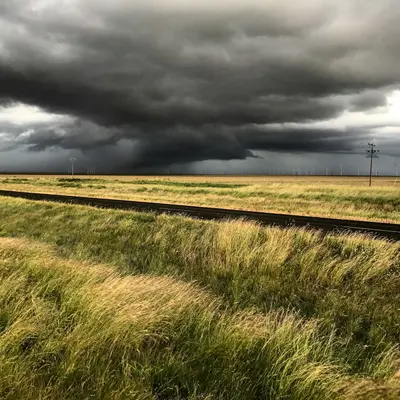
Oklahoma is a classic heirloom rose cultivar prized for its vigorous growth and outstanding disease resistance in challenging climates. This variety produces full, fragrant blooms with a strong, rich fragrance ideal for cut flowers and petal harvesting. Reaching 4-6 feet at maturity, Oklahoma thrives in hot, dry conditions where many roses struggle, making it an exceptional choice for Southern and Southwestern gardens seeking reliable, landscape-worthy roses with minimal intervention.
Harvest
75-90d
Days to harvest
Sun
Full sun
Zones
2–11
USDA hardiness
Height
0-3 feet
Planting Timeline
Showing dates for Oklahoma in USDA Zone 7
All Zone 7 rose →Zone Map
Click a state to update dates
Oklahoma · Zones 2–11
Growing Details
Complete Growing Guide
This vigorous cultivar thrives in hot, humid climates where standard roses often struggle, making it ideal for southern and midwest gardens. Plant Oklahoma in full sun with well-draining soil amended with compost to support its intensive blooming cycle. Unlike delicate rose varieties, Oklahoma's densely petaled structure resists rain damage, though powdery mildew can develop in poor air circulation—space plants adequately and avoid overhead watering. The variety rarely bolts or stretches if given consistent deadheading, which triggers the promised multiple cuts throughout the season. Start seeds 6-8 weeks before your last frost for blooms by mid-summer, or direct sow after frost danger passes. For maximum productivity, pinch young plants when they reach 6 inches tall to encourage bushier growth and more flowering stems, extending your harvest window into fall.
Light: Full sun (6 or more hours of direct sunlight a day). Soil: High Organic Matter, Loam (Silt). Soil pH: Acid (<6.0), Alkaline (>8.0), Neutral (6.0-8.0). Drainage: Good Drainage, Occasionally Dry. Height: 0 ft. 6 in. - 3 ft. 0 in.. Spread: 0 ft. 8 in. - 1 ft. 0 in.. Spacing: 12 inches-3 feet. Growth rate: Rapid. Maintenance: Medium. Propagation: Seed. Regions: Coastal, Mountains, Piedmont.
Harvesting
Harvest Oklahoma zinnias when the densely petaled blooms reach their full 6-inch diameter and the outer petals have just begun to unfurl completely, signaling peak freshness. Gently squeeze the stem below the flower head—it should feel firm but not woody, indicating optimal hydration and vase life. This cultivar excels as a cut-and-come-again flower, meaning you should harvest regularly throughout the season rather than waiting for a single flush; removing blooms encourages the plant to produce multiple successive cuts. For best results, cut in early morning when stems are fully hydrated, removing at least one-third of the stem length above the nearest leaf node to promote bushier regrowth and longer stems on subsequent harvests.
Type: Achene.
Storage & Preservation
Fresh-cut Oklahoma rose stems last 7-14 days in a clean vase with room-temperature water and commercial flower food, or a mixture of sugar and a few drops of bleach. Keep stems in cool conditions (65-72°F) away from ripening fruit, which produces ethylene gas that speeds wilting. For long-term preservation, dry petals by laying them on screens or paper towels in a warm, dry, dark location (70-80°F) for 1-2 weeks until papery-thin; store dried petals in airtight containers away from light. Alternatively, press fresh petals between parchment paper under heavy books for 2-3 weeks for crafts and botanical pressing projects. Freeze water in ice cube trays with individual petals suspended for decorative uses in cold drinks.
History & Origin
The precise origin and breeder of the 'Oklahoma' zinnia remain poorly documented in available horticultural records. However, this variety belongs to the Zinnia elegans species, which originated in Mexico and has been extensively cultivated and bred since the 19th century. The 'Oklahoma' cultivar likely emerged from 20th-century American seed company breeding programs focused on developing vigorous, heat-tolerant zinnias suited to diverse growing conditions across the United States. Its recommendation by the Association of Specialty Cut Flower Growers and its widespread availability suggest commercial development by a major seed company, though the specific breeder, year of introduction, and breeding lineage remain undocumented in accessible sources.
Origin: Mexico
Advantages
- +Recommended by specialty cut flower growers for professional-quality blooms
- +Vigorous all-season producer that thrives in Oklahoma's hot summers
- +Densely petaled 6-inch flowers provide excellent bouquet impact and longevity
- +Strong fragrance and cut-and-come-again harvests maximize seasonal yields
- +Tolerates Oklahoma's summer rain and heat without significant performance decline
Considerations
- -Spider mites proliferate in Oklahoma's hot weather, requiring vigilant management
- -Moderate susceptibility to black spot in humid conditions common to Oklahoma
- -Requires 75-90 days to first bloom, delaying seasonal harvest returns
- -Moderate difficulty rating means higher maintenance than simpler cut flowers
Companion Plants
Lavender, catmint, and thyme planted at the base of Oklahoma roses don't compete hard for water and their aromatic oils interfere with how aphids and thrips locate host plants by scent. Chives and garlic work on the same principle — alliums have a documented reputation for suppressing aphid pressure, and at 6–12 inches tall they stay out of the rose's root zone without casting shade. A short row of chives along the front edge of the bed is about as low-effort as it gets.
French marigolds (Tagetes patula specifically) are worth including because they pull in predatory wasps and hoverflies that feed on aphid colonies — a more reliable payoff than any direct repellent effect. Alyssum works similarly at a smaller scale. If you want a sacrificial trap crop, nasturtiums are genuinely useful: aphids show a strong preference for them over roses, so you can let the nasturtiums take the load and deal with the infestation there rather than on the Oklahoma canes.
Black walnut is the harmful companion that actually warrants attention. It produces juglone, a compound that leaches through the soil and causes wilting and slow decline in roses — symptoms that read almost exactly like a watering problem, which makes it easy to misdiagnose for a full season before you look up at the canopy. Beyond chemistry, large trees of any kind will pull moisture from the surrounding 10–15 feet of soil and cut light below the 6 hours Oklahoma needs to flower reliably.
Plant Together
Lavender
Repels aphids, moths, and other pests while attracting beneficial pollinators
Marigolds
Deters nematodes, aphids, and whiteflies with strong scent compounds
Garlic
Natural fungicide properties help prevent black spot and powdery mildew
Chives
Repels aphids and Japanese beetles while improving soil health
Catmint
Deters ants, aphids, and rodents while attracting beneficial insects
Alyssum
Attracts beneficial insects like lacewings and hover flies that eat aphids
Thyme
Natural antifungal properties and deters cabbage worms and whiteflies
Nasturtiums
Acts as trap crop for aphids and adds natural pest control
Keep Apart
Black Walnut
Produces juglone toxin that stunts rose growth and can cause wilting
Brassicas
Compete heavily for nutrients and may attract pests harmful to roses
Large Trees
Create excessive shade and compete for water and nutrients roses need
Pests & Disease Resistance
Resistance
Good disease resistance, heat tolerant
Common Pests
Spider mites in hot weather, aphids, thrips
Diseases
Moderate susceptibility to black spot in humid conditions
Troubleshooting Oklahoma
What you'll see, why it happens, and what to do about it.
Dark spots with irregular, 'feathered' edges on leaves; leaves yellowing and dropping, sometimes starting mid-summer
Likely Causes
- Black spot (Diplocarpon rosae) — a fungal disease that splashes up from soil or infected fallen leaves during wet weather
- Poor air circulation from dense or unpruned canes
- Overhead watering that extends leaf wetness into evening
What to Do
- 1.Strip and bag (don't compost) all fallen leaves; rake the bed clean after every pass
- 2.Mulch around the base in late winter to reduce soil splash, and water at the base only — drip or soaker hose beats a sprinkler every time
- 3.Prune out infected canes in winter and open up the center of the plant for airflow; Oklahoma is moderately susceptible, so consistent cultural control matters more than spraying
New shoots elongated and staying red well past the juvenile stage; canes unusually bristled with thorns; distorted, witch's-broom-like growth on multiple stems
Likely Causes
- Rose rosette disease (Rose rosette virus), transmitted by the eriophyid mite Phyllocoptes fructiphilus
- Excessive thorniness alone is the most reliable indicator — elongated red shoots can occasionally be confused with normal new growth on a single cane
What to Do
- 1.Dig out and dispose of the entire plant, roots included — do not compost it; there is no cure for Rose rosette virus
- 2.Remove weedy wild Rosa multiflora within 100 feet, which serves as a primary reservoir for the eriophyid mite vector
- 3.Hold off replanting a rose in that spot for at least one full season and watch neighboring plants for the same symptoms