Sugar Maple
Acer saccharum
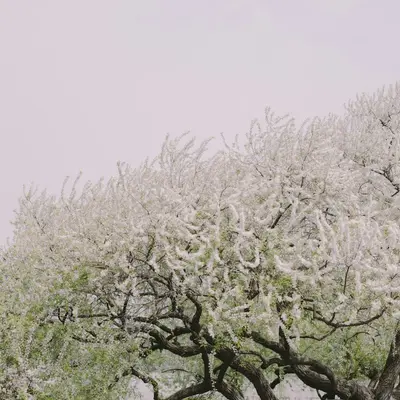
The quintessential fall foliage tree that transforms landscapes with its legendary display of brilliant orange, red, and yellow autumn colors. This slow-growing native produces the sap for maple syrup and develops into a majestic shade tree that can grace your property for generations with proper care.
Harvest
N/Ad
Days to harvest
Sun
Full sun to partial shade
Zones
3–8
USDA hardiness
Height
40-120 feet
Planting Timeline
Showing dates for Sugar Maple in USDA Zone 7
All Zone 7 ornamental-tree →Zone Map
Click a state to update dates
Sugar Maple · Zones 3–8
Growing Details
Zone-by-Zone Planting Calendar
Complete Growing Guide
Soil: Clay, High Organic Matter, Loam (Silt), Sand. Soil pH: Acid (<6.0), Neutral (6.0-8.0). Drainage: Good Drainage, Moist. Height: 40 ft. 0 in. - 120 ft. 0 in.. Spread: 30 ft. 0 in. - 60 ft. 0 in.. Spacing: 24-60 feet, more than 60 feet. Growth rate: Slow. Maintenance: Medium. Propagation: Layering, Seed, Stem Cutting. Regions: Coastal, Mountains, Piedmont.
Harvesting
The fruit is U-shaped, paired, papery-winged samara that averages 1 inch in length. Color is green maturing to brown. Available from June to September in North Carolina.
Color: Brown/Copper, Green. Type: Samara. Length: < 1 inch.
Garden value: Edible
Harvest time: Fall, Summer
Bloom time: Spring, Summer
Edibility: Sap used for maple syrup
History & Origin
Origin: Eastern and central North America
Advantages
- +Disease resistance: Deer
- +Attracts: Sap used for maple syrup
- +Wildlife value: Members of the genus Acer support Imperial Moth (Eacles imperialis) larvae which have one brood per season and appear from April-October in the south. Adult Imperial Moths do not feed. The seeds are eaten by birds and small mammals. The cavities are utilized by cavity-nesting birds. Deer and moose browse the stems and leaves. Porcupines consume the bark and can girdle the upper stem. Butterflies and other pollinating insects enjoy the nectar from the flowers.
- +Edible: Sap used for maple syrup
Companion Plants
Plant Together
Wild Ginger
Thrives in maple's shade and helps retain soil moisture while creating natural groundcover
Trillium
Adapted to woodland conditions under maples, benefits from filtered light and leaf litter
Hostas
Flourishes in the dappled shade provided by maple canopy and adds ornamental value
Astilbe
Tolerates shade well and benefits from the cool, moist microclimate under maple trees
Coral Bells
Shade-tolerant perennial that complements maple's seasonal color changes
Ferns
Natural woodland companions that thrive in maple's shade and acidic leaf litter
Wild Columbine
Native woodland plant that grows well in partial shade and enriches understory biodiversity
Bloodroot
Spring ephemeral that completes its cycle before maple leaves fully emerge, maximizing light use
Keep Apart
Black Walnut
Produces juglone which is toxic to maples and can cause stunted growth or death
Norway Maple
Aggressive competitor that can hybridize with sugar maples and outcompete native species
Turfgrass
Competes heavily for water and nutrients, compacts soil around shallow maple roots
Pests & Disease Resistance
Resistance
Susceptible to leaf scorch, verticillium wilt in stressed conditions
Common Pests
Asian longhorned beetle, maple borer, scale insects, aphids
Diseases
Leaf scorch, anthracnose, verticillium wilt, tar spot