Brandywine Red Maple
Acer rubrum 'Brandywine'
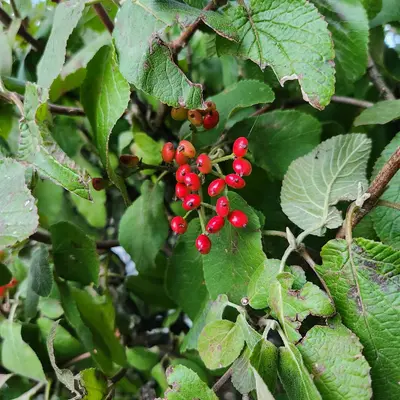
An exceptional red maple cultivar selected for its superior fall color and strong branching structure. This tree produces brilliant red-orange autumn foliage that rivals any maple variety, while maintaining excellent drought tolerance and adaptability. Its symmetrical oval crown and reliable performance make it an outstanding choice for street trees and large landscapes.
Sun
Full sun to partial shade
Zones
2–9
USDA hardiness
Height
40-120 feet
Planting Timeline
Showing dates for Brandywine Red Maple in USDA Zone 7
All Zone 7 ornamental-tree →Zone Map
Click a state to update dates
Brandywine Red Maple · Zones 2–9
Growing Details
Zone-by-Zone Planting Calendar
Complete Growing Guide
Soil: Clay, High Organic Matter, Loam (Silt), Sand. Soil pH: Acid (<6.0), Neutral (6.0-8.0). Drainage: Good Drainage, Moist, Occasional Flooding, Occasionally Dry, Occasionally Wet. Water: Height: 40 ft. 0 in. - 120 ft. 0 in., Width: 30 ft. 0 in. - 50 ft. 0 in.. Height: 40 ft. 0 in. - 120 ft. 0 in.. Spread: 30 ft. 0 in. - 50 ft. 0 in.. Spacing: more than 60 feet. Growth rate: Rapid. Maintenance: Low. Propagation: Root Cutting, Seed, Stem Cutting. Regions: Coastal, Mountains, Piedmont.
Harvesting
The paired, winged, fruit is in a "V" shaped, red, pink, or yellow, winged samara about 3/4 of an inch long on drooping stems. They turn tan or brown when mature and drop from the plant. In North Carolina, the samaras are available from April to July.
Color: Brown/Copper, Gold/Yellow, Red/Burgundy, Variegated. Type: Samara. Length: < 1 inch.
Garden value: Showy
Harvest time: Spring, Summer
Bloom time: Spring, Winter
Edibility: The sap contains sugar and this can be used as a drink or be concentrated into a syrup by boiling off the water. The syrup is used as a sweetener on many foods. This species only yields about half the quantity obtained from the sugar maple (A. saccharum).
History & Origin
Origin: Newfoundland to Florida West to Minnesota Oklahoma and Texas.
Advantages
- +Disease resistance: Black Walnut, Compaction, Deer, Drought, Fire, Heat, Pollution, Urban Conditions, Wet Soil
- +Attracts: Attracts Pollinators, Buffer, Colorful, Edible fruit, Pieces Used in Games, Screening, Shade, Wildlife Food Source, Wind Break
- +Edible: The sap contains sugar and this can be used as a drink or be concentrated into a syrup by boiling off the water. The syrup is used as a sweetener on many foods. This species only yields about half the quantity obtained from the sugar maple (A. saccharum).
- +Fast-growing
- +Low maintenance
Companion Plants
Plant Together
Hosta
Thrives in dappled shade under maple canopy, complementary foliage textures
Astilbe
Enjoys partial shade and moist soil conditions created by maple's canopy
Coral Bells
Tolerates shade well and adds colorful foliage contrast to maple's red leaves
Japanese Painted Fern
Silvery foliage provides excellent contrast, thrives in maple's filtered light
Wild Ginger
Native groundcover that spreads well under maple canopy, similar soil preferences
Azalea
Both prefer slightly acidic soil and benefit from maple's leaf litter mulch
Caladium
Colorful shade-loving foliage plant that complements maple's seasonal color changes
Rhododendron
Shallow root system won't compete heavily, enjoys acidic conditions from leaf drop
Keep Apart
Black Walnut
Releases juglone toxin that can damage maple roots and overall tree health
Norway Maple
Aggressive root system and dense shade can outcompete native red maple
Large Turf Grass
Competes heavily for water and nutrients, requires different watering schedules
Pests & Disease Resistance
Resistance
Good resistance to leaf scorch and chlorosis
Common Pests
Scale insects, aphids, leaf miners
Diseases
Verticillium wilt, tar spot, anthracnose