American Hornbeam
Carpinus caroliniana
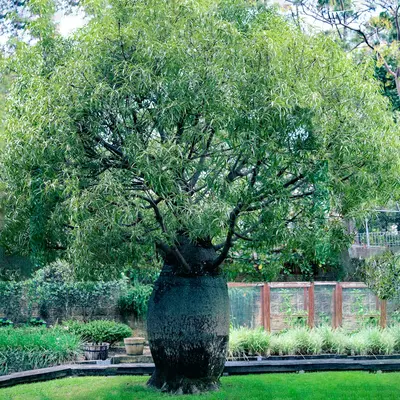
A native understory gem with smooth, muscle-like gray bark that creates stunning winter architecture. This slow-growing beauty adapts to challenging shade conditions while providing brilliant orange to red fall color and interesting hop-like seed clusters. Perfect for naturalizing or as a specimen tree where a refined, smaller-scale tree is desired.
Harvest
N/Ad
Days to harvest
Sun
Partial shade to full sun
Zones
3–9
USDA hardiness
Height
20-30 feet
Planting Timeline
Showing dates for American Hornbeam in USDA Zone 7
All Zone 7 ornamental-tree →Zone Map
Click a state to update dates
American Hornbeam · Zones 3–9
Growing Details
Zone-by-Zone Planting Calendar
Complete Growing Guide
Soil: Clay, High Organic Matter, Loam (Silt), Sand. Soil pH: Acid (<6.0), Neutral (6.0-8.0). Drainage: Good Drainage, Moist, Occasional Flooding, Occasionally Wet. Water: kar-PINE-us kair-oh-lin-ee-AN-uh. Height: 20 ft. 0 in. - 30 ft. 0 in.. Spread: 20 ft. 0 in. - 35 ft. 0 in.. Spacing: 12-24 feet. Growth rate: Slow. Maintenance: Medium. Regions: Coastal, Mountains, Piedmont.
Harvesting
The nutlet is ⅓ inch long and is attached to a leaf-like, 3-lobed green scale that helps it to be carried by the wind.
Color: Gold/Yellow. Type: Nut. Length: < 1 inch. Width: < 1 inch.
Garden value: Edible
Harvest time: Fall
Bloom time: Spring
History & Origin
Origin: E. Canada to SE. U.S.A., NC
Advantages
- +Disease resistance: Black Walnut, Dry Soil, Fire, Heavy Shade, Storm damage, Urban Conditions, Wet Soil, Wind
- +Attracts: Butterflies, Pollinators, Small Mammals, Songbirds
Companion Plants
Plant Together
Wild Ginger
Thrives in similar shade conditions and provides groundcover without competing with shallow roots
Coral Bells
Tolerates partial shade and adds seasonal color while requiring similar moisture levels
Ferns
Native woodland companions that thrive in the dappled shade and help retain soil moisture
Astilbe
Enjoys similar moist, well-draining soil conditions and provides spring blooms in partial shade
Hosta
Complements the tree's shade tolerance and helps suppress weeds with broad foliage
Bloodroot
Native woodland ephemeral that blooms before canopy fills in and goes dormant during summer
Serviceberry
Another native understory tree that creates beneficial wildlife habitat and has similar growing requirements
Solomon's Seal
Thrives in the filtered light conditions and helps create natural woodland aesthetic
Keep Apart
Black Walnut
Produces juglone toxin that can inhibit growth and cause yellowing of hornbeam foliage
Large Pine Trees
Create too much dense shade and acidify soil beyond hornbeam's preference
Invasive Norway Maple
Aggressive root system competes heavily for nutrients and creates dense shade that stunts growth
Pests & Disease Resistance
Resistance
Excellent disease resistance, very few problems
Common Pests
Few serious pests, occasional scale or aphids
Diseases
Generally disease-free, very healthy tree