Japanese Maple
Acer palmatum
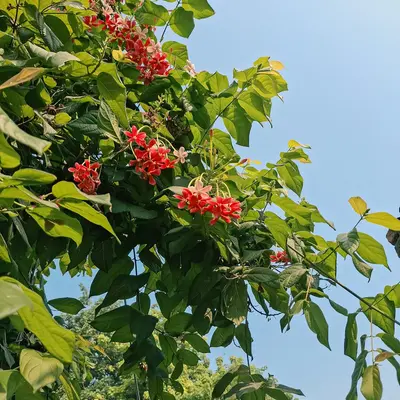
The jewel of ornamental trees, Japanese Maple transforms any garden with its delicate, hand-shaped leaves and stunning seasonal color changes from spring greens to brilliant fall reds and oranges. This graceful tree offers incredible variety with hundreds of cultivars featuring different leaf shapes, colors, and growth habits. Perfect for creating focal points, Japanese Maples bring four-season beauty and an elegant Asian aesthetic to landscapes both large and small.
Sun
Partial shade to filtered sun
Zones
5–8
USDA hardiness
Height
15-25 feet
Planting Timeline
Showing dates for Japanese Maple in USDA Zone 7
All Zone 7 fruit-tree →Zone Map
Click a state to update dates
Japanese Maple · Zones 5–8
Growing Details
Zone-by-Zone Planting Calendar
Complete Growing Guide
Light: #deciduous#bronze#shrub#purple leaves#slow growing#samaras#red leaves#bonsai#yellow leaves#tsc#fall interest#understory tree#dappled shade#deer resistant#nighttime garden#copper leaves#children's garden#red fruits#playground plant#self-seeding#pollinator plant#larval host plant#deciduous tree#bird friendly#tsc-t#imperial moth#mccarthy memorial garden#landscape plant sleuths course#wildlife friendly#th-sight#woodland#cpp#HS111#illustration#HS304#fpp. Soil: High Organic Matter. Drainage: Good Drainage, Moist. Water: 'Atropurpureum', 'Ben Komachii', 'Bloodgood', 'Burgundy Lace', 'Crimson Queen', 'Garnet', 'Gwens Rose Delight', 'Higasayama', 'Jordan', 'Kagiri Nishiki', 'Kiyohime', 'Koto no ito', 'Mikawa yatsubusa', 'Mizuho Beni', 'Moonfire', 'Novum', 'Orange Dream', 'Orangeola', 'Osakazuki', 'Oto hime', 'Redleaf', 'Ryusen', 'Sango-Kaku', 'Seiryu', 'Shaina', 'Sharp’s Pygmy', 'Sherwood Flame', subsp. matsumurae, 'Trompenburg', 'Twombly Red Sentinel', 'Waterfall', 'Yuri Hime'. Height: 15 ft. 0 in. - 25 ft. 0 in.. Spread: 10 ft. 0 in. - 25 ft. 0 in.. Growth rate: Slow. Maintenance: High. Propagation: Grafting.
Harvesting
A schizocarp of two samaras, wings incurved forming an arch, becoming reddish.
Color: Brown/Copper, Red/Burgundy. Type: Samara, Schizocarp.
Harvest time: Fall
Bloom time: Spring
Storage & Preservation
Fresh-cut Japanese Maple branches last 5-7 days in floral arrangements when stems are recut underwater and placed in fresh, cool water. Change water every 2-3 days and trim stems slightly each time.
Preserve autumn leaves by pressing between newspaper pages under heavy books for 2-3 weeks, or use glycerin preservation by soaking cut branches in a 1:1 glycerin-water solution for 3-5 days until leaves feel supple. Glycerin-preserved leaves maintain flexibility and natural feel for months.
For long-term storage, dried pressed leaves can be stored between acid-free tissue paper in a cool, dry location for years. Seeds should be stored in slightly moist peat moss in the refrigerator if not planted immediately, maintaining 35-40°F temperatures. Properly stored stratified seeds remain viable for 6-12 months.
History & Origin
Origin: Asia: Japan, China, Korea, eastern Mongolia, southeastern Russia
Advantages
- +Disease resistance: Deer, Drought
- +Attracts: This tree is mildly resistant to damage by deer.
- +Wildlife value: Members of the genus Acer support Imperial Moth (Eacles imperialis) larvae which have one brood per season and appear from April-October in the south. Adult Imperial Moths do not feed. Small song birds are attracted to this plant.
Considerations
- -High maintenance
Companion Plants
Plant Together
Hosta
Thrives in similar partial shade conditions and provides attractive ground cover
Ferns
Enjoys same acidic soil and filtered light, creates natural woodland aesthetic
Astilbe
Tolerates shade and acidic soil, adds colorful blooms without competing for nutrients
Heuchera
Complements maple's foliage colors and thrives in partial shade with similar soil needs
Azalea
Both prefer acidic soil and partial shade, creates layered woodland garden design
Caladium
Provides colorful foliage in shade and doesn't compete with shallow maple roots
Wild Ginger
Native groundcover that thrives under maple canopy and helps retain soil moisture
Japanese Painted Fern
Silvery foliage complements maple colors and both prefer similar growing conditions
Keep Apart
Black Walnut
Produces juglone toxin that can damage or kill Japanese maple trees
Large Conifers
Compete aggressively for water and nutrients, can overshadow and stress the maple
Turfgrass
Competes with shallow maple roots for water and nutrients, requires different care
Nutrition Facts
Per 100g serving. % Daily Value based on 2,000 calorie diet. Source: USDA FoodData Central (FDC #168171)
Pests & Disease Resistance
Resistance
Generally disease resistant when properly sited
Common Pests
Aphids, scale insects, Japanese beetles (occasionally)
Diseases
Verticillium wilt, leaf scorch from heat/drought stress