Dwarf Cavendish Banana
Musa acuminata 'Dwarf Cavendish'
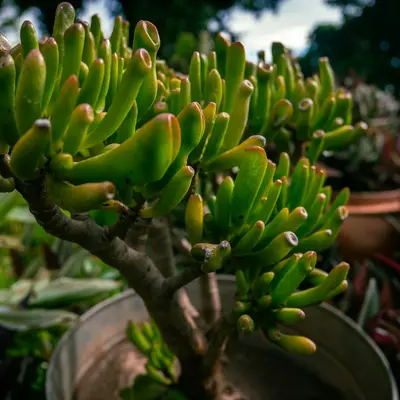
A compact banana tree perfect for containers and indoor growing that produces full-sized, sweet bananas just like those from the grocery store. This tropical beauty doubles as an ornamental plant with large, dramatic leaves while rewarding growers with hands of delicious homegrown fruit. It's surprisingly easy to grow and brings an exotic touch to any home garden or patio.
Harvest
15-18d
Days to harvest
Sun
Full sun
Zones
10–11
USDA hardiness
Difficulty
Moderate
Planting Timeline
Showing dates for Dwarf Cavendish Banana in USDA Zone 10
All Zone 10 fruit-tree →Zone Map
Click a state to update dates
Dwarf Cavendish Banana · Zones 10–11
Growing Details
Zone-by-Zone Planting Calendar
| Zone | Indoor Start | Transplant | Direct Sow | Harvest |
|---|---|---|---|---|
| Zone 10 | — | March – April | — | April – December |
Complete Growing Guide
Light: Full sun (6 or more hours of direct sunlight a day). Water: Cavendish subgroupA number of cultivars from the triploid AAA cultivar group; most well known banana, Cavendish subgroup.
Harvesting
An elongated, peelable fruit with creamy flesh. Many commercial cultivars are often bred to be seedless.
Color: Black, Brown/Copper, Gold/Yellow, Green, Red/Burgundy. Type: Berry. Length: > 3 inches. Width: 1-3 inches.
Garden value: Edible, Showy
Storage & Preservation
Store your harvested bunch at room temperature (65-70°F) for even ripening over 7-10 days. Individual bananas ripen from top to bottom, allowing you to enjoy them at peak flavor over an extended period. Once yellow and fragrant, refrigerate ripe bananas for up to one week—the peel will darken but flesh remains perfect.
For preservation, freeze peeled ripe bananas in chunks for smoothies and baking—they'll keep for six months. Dehydrate slices at 135°F for 8-12 hours to create chewy banana chips with concentrated flavor. Overripe bananas excel in banana bread, muffins, and pancakes, where their intense sweetness and soft texture become assets rather than drawbacks. Consider making banana leather in a food dehydrator for a healthy, portable snack that stores for months in airtight containers.
History & Origin
Origin: Southeast Asia
Advantages
- +Compact 4-6 foot height perfect for containers and indoor spaces
- +Produces full-sized, grocery store-quality bananas with authentic flavor
- +Doubles as striking ornamental houseplant with dramatic tropical foliage
- +Generates continuous harvest through pup production after initial fruiting
- +More cold-tolerant than standard banana varieties, surviving brief temperature drops to 50°F
- +Self-fertile and doesn't require pollination to produce fruit
- +Fast initial growth provides tropical ambiance within first growing season
Considerations
- -Requires 15-18 months from planting to first harvest, testing patience
- -Demands consistent high humidity (50-60%) challenging in dry indoor environments
- -Susceptible to spider mites and scale insects in indoor conditions
- -Dies back after fruiting, requiring reliance on pups for continued production
- -Heavy feeding requirements mean monthly fertilizing throughout growing season
Companion Plants
Plant Together
Comfrey
Acts as dynamic accumulator, bringing nutrients to surface and providing potassium-rich mulch
Lemongrass
Repels nematodes and other soil pests that can damage banana roots
Sweet Potato
Provides ground cover, suppresses weeds, and fixes nitrogen while utilizing different soil layers
Nasturtium
Acts as trap crop for aphids and cucumber beetles while attracting beneficial insects
Ginger
Thrives in similar tropical conditions and helps deter root-knot nematodes
Pineapple
Compatible tropical companion with similar water needs and doesn't compete for nutrients
Papaya
Provides partial shade for young banana plants and attracts beneficial pollinators
Marigold
Deters nematodes and aphids while attracting beneficial insects
Keep Apart
Black Walnut
Produces juglone which is toxic to banana plants and inhibits growth
Eucalyptus
Releases allelopathic compounds that inhibit growth and competes aggressively for water
Pine Trees
Acidifies soil significantly and drops allelopathic needles that inhibit banana growth
Nutrition Facts
Per 100g serving. % Daily Value based on 2,000 calorie diet. Source: USDA FoodData Central (FDC #168171)
Pests & Disease Resistance
Resistance
Moderate resistance to common banana diseases
Common Pests
Spider mites, scale insects, aphids
Diseases
Root rot from overwatering, leaf spot