Best Herbs to Grow in West Virginia
West Virginia spans USDA Zones 5–7, typically Zone 6. We've broken out 84 herb varieties by zone — pick your zone below or find the right varieties for your specific part of the state.
Varieties
84
for West Virginia
USDA
Zones 5–7
155–210 days season
Beginner
77
easy to grow
Heirloom
70
heritage varieties
West Virginia in USDA Zones 5–7
West Virginia spans Zones 5–7. Variety lists below are organized by zone — start with your zone for the most accurate recommendations.
Growing Herbs in West Virginia
Zone 6 herb gardeners hit the sweet spot for growing an impressive variety of culinary herbs, though success depends on working with your climate's particular rhythm. Your 180-day growing season from mid-April to mid-October gives heat-loving basils time to flourish while providing enough cool weather for hardy perennials like thyme and sage to establish strong root systems. The key challenge in Zone 6 is managing that tricky spring transition – you'll get teased by warm March days, but that April 15th average last frost means patience pays off.
When selecting herbs for Zone 6, prioritize varieties that either handle light frosts gracefully or produce quickly enough to give you multiple harvests before fall. Mediterranean herbs like oregano, thyme, and sage absolutely thrive here because they appreciate the warm summers but need that winter chill period to remain productive year after year. For annual herbs, look for varieties that offer something special – like Pesto Perpetuo basil that won't bolt as quickly as standard varieties, or Fernleaf dill that stays compact and productive longer than common dill.
The herbs I've selected for Zone 6 gardens represent the best performers I've grown over years of testing varieties in this climate. Each one either offers exceptional flavor, extended harvest periods, or particular resilience to Zone 6's weather patterns. You'll find both reliable workhorses like English lavender and exciting varieties like Chocolate mint that take advantage of your generous growing season.
Zone 6 Herbs for West Virginia★ Most of WV
83 varieties · Last frost April 15 · 180-day season
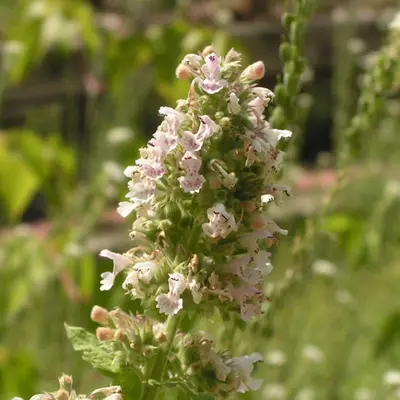
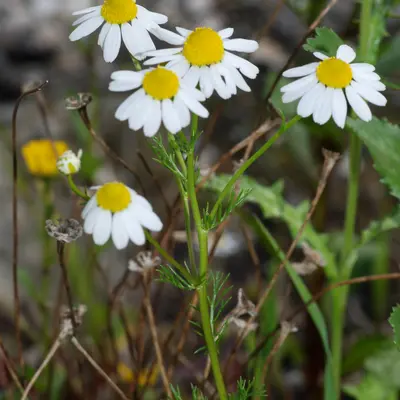
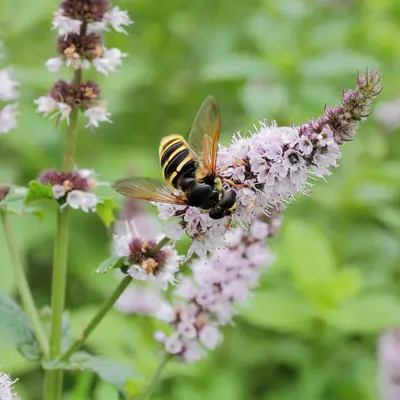
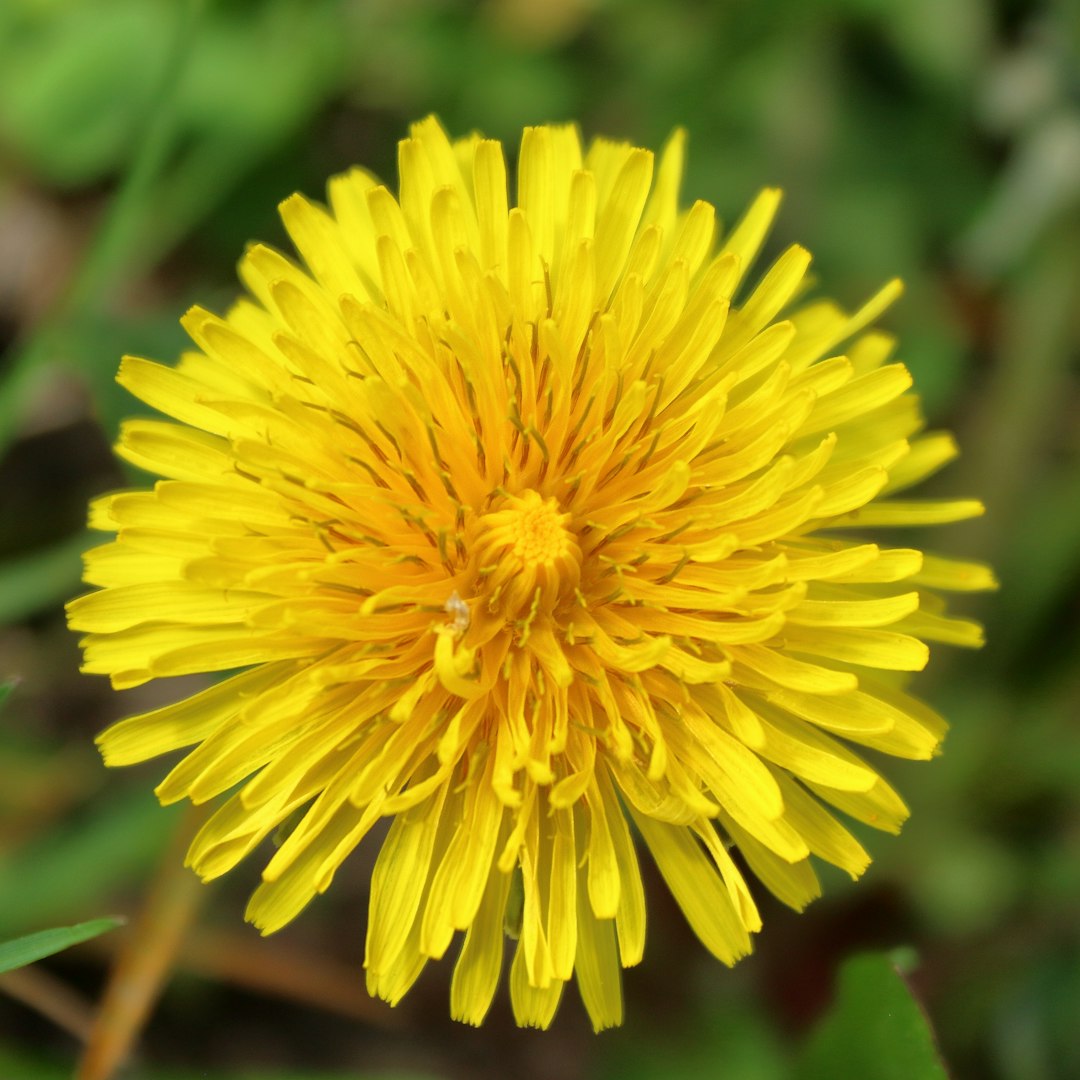
Zone 5 Herbs for West Virginia
82 varieties · Last frost April 30 · 155-day season
Zone 7 Herbs for West Virginia
84 varieties · Last frost April 1 · 210-day season
Zone 6 Growing Tips for West Virginia
Start your herb garden planning in late February by sowing slow-growing perennials like oregano and thyme indoors. These need 8-10 weeks to develop strong transplants, putting your seed starting right on target for post-frost planting. Hold off on basil seeds until late March – they sulk in cool soil and you'll get better results waiting for consistently warm conditions. I've learned the hard way that Zone 6 soil often stays cold well past that last frost date, so wait until soil temperatures hit 60°F before direct seeding warm-season herbs like basil and cilantro.
Transplant timing requires reading your specific microclimate rather than strictly following calendar dates. Hardy herbs like chives, parsley, and sage can go out 2-3 weeks before your last frost, but keep row cover handy for unexpected late cold snaps. Tender basils and heat-lovers wait until at least May 1st, and I often push that to May 15th for the best results. Your fall harvest window extends beautifully into November with proper planning – plant a second succession of cilantro and dill in late July for fresh herbs after the first plantings bolt.
Zone 6's biggest herb challenge is managing moisture during summer humidity spikes while ensuring good drainage during wet spring periods. Raised beds or containers solve both problems, and mulching around perennial herbs prevents the wet-dry cycles that stress plants. Most Mediterranean herbs benefit from afternoon shade during July and August heat waves, while moisture-lovers like mint and lemon balm appreciate consistent watering through dry spells.