Best Herbs to Grow in Oklahoma
Oklahoma spans USDA Zones 6–8, typically Zone 7. We've broken out 89 herb varieties by zone — pick your zone below or find the right varieties for your specific part of the state.
Varieties
89
for Oklahoma
USDA
Zones 6–8
180–240 days season
Beginner
80
easy to grow
Heirloom
75
heritage varieties
Oklahoma in USDA Zones 6–8
Oklahoma spans Zones 6–8. Variety lists below are organized by zone — start with your zone for the most accurate recommendations.
Growing Herbs in Oklahoma
Zone 7 offers herb gardeners a sweet spot of climate conditions—long enough growing seasons to enjoy heat-loving basils and Mediterranean herbs, yet cool enough winters to successfully grow perennials like lavender and thyme without excessive summer stress. With your 210-day growing season stretching from early April through late October, you have the luxury of multiple succession plantings and can grow both cool-season herbs like cilantro and dill alongside warm-season favorites like basil and oregano.
The key to success in Zone 7 lies in understanding the seasonal transitions. Your moderate climate means you'll want varieties that can handle both the humid summers and occasional temperature swings that characterize this zone. Look for heat-tolerant selections of typically cool-weather herbs (like our Fernleaf Dill that resists bolting) and cold-hardy versions of warm-season favorites (such as Pesto Perpetuo Basil, which performs better in variable conditions than standard Genovese). The varieties we've selected specifically thrive in Zone 7's climate patterns, giving you reliable harvests from spring through fall and robust perennial growth for your long-lived herbs like sage, thyme, and French tarragon.
Zone 7 Herbs for Oklahoma★ Most of OK
84 varieties · Last frost April 1 · 210-day season
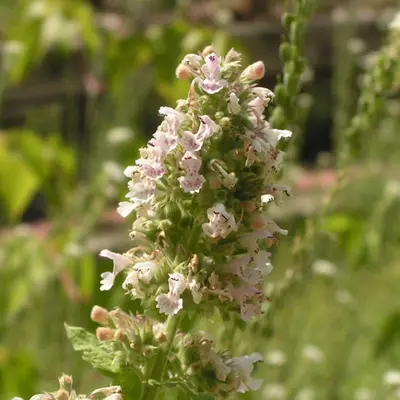
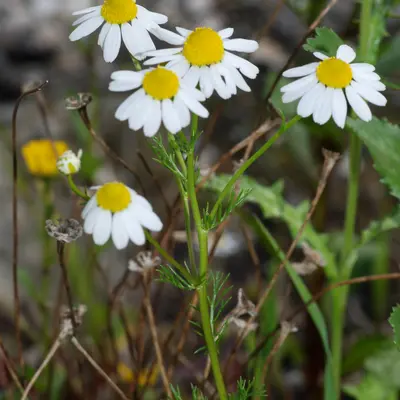
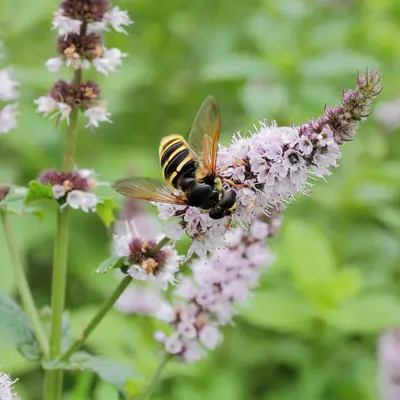
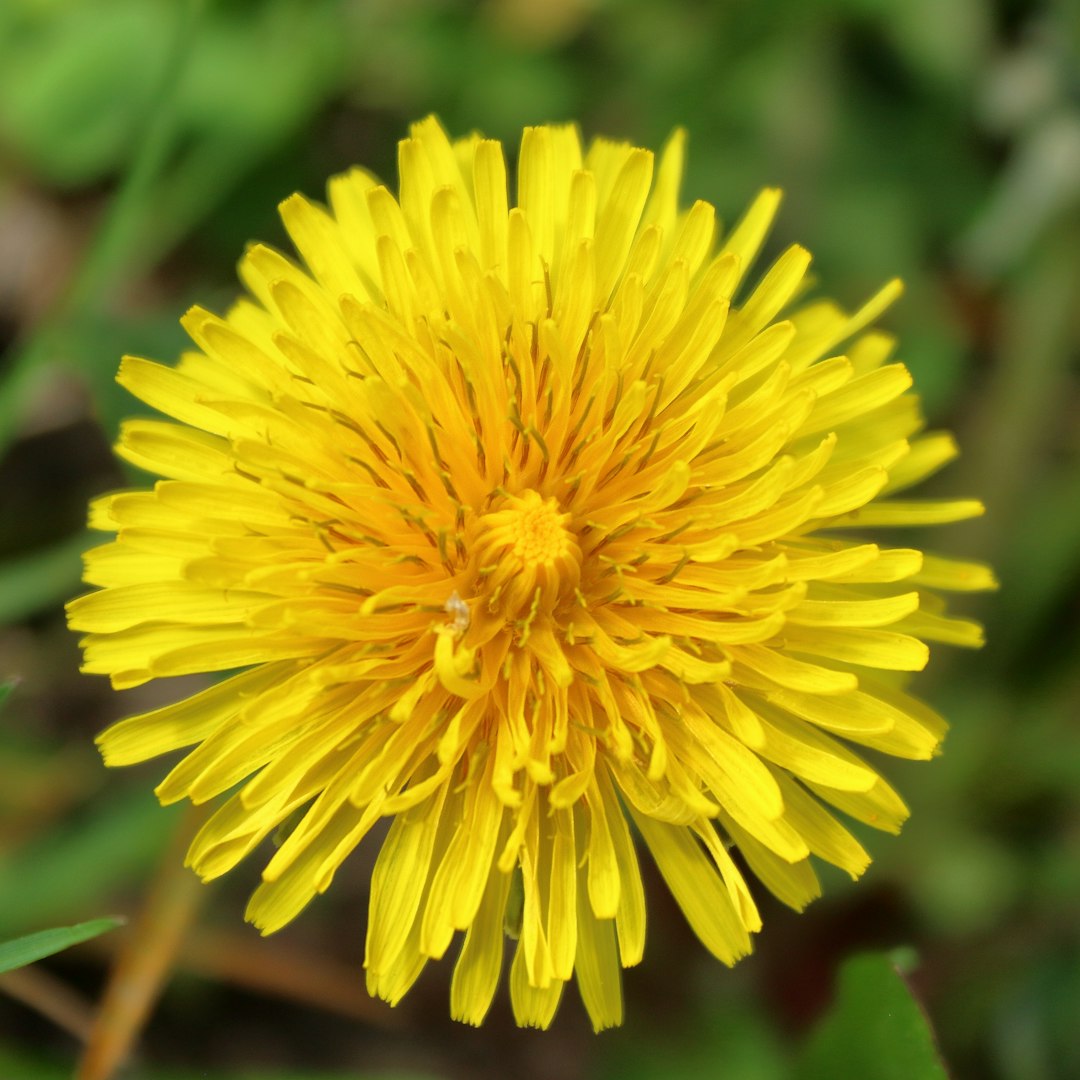
Zone 6 Herbs for Oklahoma
83 varieties · Last frost April 15 · 180-day season
Zone 8 Herbs for Oklahoma
88 varieties · Last frost March 15 · 240-day season
Zone 7 Growing Tips for Oklahoma
Start your herb seeds indoors 6-8 weeks before your April 1st average last frost date—so late February through mid-March is ideal for getting a head start on basil, oregano, and other warm-season herbs. Cool-season herbs like cilantro, dill, and parsley can be direct-sown outside 2-3 weeks before the last frost date, giving you harvests by late May. Wait until soil temperatures consistently reach 60°F (usually mid-April in Zone 7) before transplanting warm-season herbs outdoors, and always have row covers ready for unexpected late cold snaps.
Take advantage of Zone 7's long season by making succession plantings every 3-4 weeks through summer, especially for quick-growing herbs like cilantro, dill, and basil. Plant your final round of cool-season herbs in late August for fall harvests that will continue well past your first frost. Many of your perennial herbs—lavender, thyme, oregano, and sage—will benefit from afternoon shade during the hottest part of summer, so consider their placement carefully. In areas with heavy clay soil common in Zone 7, raised beds or containers will give you better drainage and prevent root rot during humid summer periods.