Best Herbs to Grow in Illinois
Illinois sits in USDA Hardiness Zone 6. These 43 herb varieties are suited to Illinois's 180-day growing season with last frost around April 15 and first frost around October 15.
Varieties
43
for Illinois
USDA Zone
6
180-day season
Beginner
35
easy to grow
Heirloom
32
heritage varieties
Illinois in USDA Zone 6
Illinois is primarily in Zone 6. Varieties that thrive in this zone will typically grow well across the state, though local microclimates vary.
When to Plant Herbs in Illinois
Growing Herbs in Illinois
Zone 6 herb gardeners hit the sweet spot for growing an impressive variety of culinary herbs, though success depends on working with your climate's particular rhythm. Your 180-day growing season from mid-April to mid-October gives heat-loving basils time to flourish while providing enough cool weather for hardy perennials like thyme and sage to establish strong root systems. The key challenge in Zone 6 is managing that tricky spring transition β you'll get teased by warm March days, but that April 15th average last frost means patience pays off.
When selecting herbs for Zone 6, prioritize varieties that either handle light frosts gracefully or produce quickly enough to give you multiple harvests before fall. Mediterranean herbs like oregano, thyme, and sage absolutely thrive here because they appreciate the warm summers but need that winter chill period to remain productive year after year. For annual herbs, look for varieties that offer something special β like Pesto Perpetuo basil that won't bolt as quickly as standard varieties, or Fernleaf dill that stays compact and productive longer than common dill.
The herbs I've selected for Zone 6 gardens represent the best performers I've grown over years of testing varieties in this climate. Each one either offers exceptional flavor, extended harvest periods, or particular resilience to Zone 6's weather patterns. You'll find both reliable workhorses like English lavender and exciting varieties like Chocolate mint that take advantage of your generous growing season.
Variety Comparison
Variety Details

Allium schoenoprasum 'Purly'
A stunning ornamental chive variety that produces vibrant purple-pink flower globes above slender, hollow green stems throughout the growing season. Unlike common chives, Purly offers exceptional flower production and color intensity, making it perfect for edible landscaping, cut flower arrangements, and pollinator gardens. The edible flowers and mild onion-flavored leaves provide both culinary value and garden beauty in one reliable perennial package.

Anise Hyssop
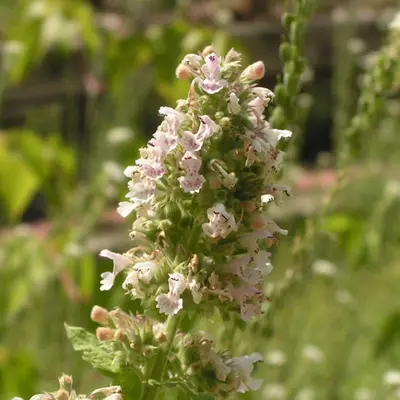
Very aromatic with a sweet, licorice-mint flavor. Vigorous plants produce abundant blooms, attracting bees and other pollinators. Anise hyssop is also known as giant hyssop, blue giant hyssop, fennel giant hyssop, and fragrant giant hyssop.Edible Flowers: Leaves and flowers can be used fresh or dried to flavor drinks, salads, soups, pasta, and desserts.USDA Certified Organic.

Bouquet Dill
Early flowering plants produce large blooms, seed umbels, and foliage on long stems, making Bouquet the preferred dill for cut-flower use and pickling. Also an economical, fast-growing choice for baby-leaf production. Edible seeds, flowers, and greens flavor many foods. Popular addition to sauces, salads, and soup. Foliage known as dill weed. Edible Flowers: The flowers are used to garnish potato salad, green salads, and pickles. When broken into florets, they can be mixed into a cheese spread or omelet.Also available in organic seed.

Chocolate Basil
Flowers measure 4-6" across and are a rich brown on the tops of the petals and a lovely, striped yellow on the undersides. Great in bouquets and garden borders. Stem length is 10-24". Bears pollen; good for bee forage.

Chocolate Mint
Flowers measure 4-6" across and are a rich brown on the tops of the petals and a lovely, striped yellow on the undersides. Great in bouquets and garden borders. Stem length is 10-24". Bears pollen; good for bee forage.

Cilantro
Santo is a slow-bolting selection grown for its leaves. Like the leaves and seeds, the flowers are also edible. NOTE: We test all our cilantro/coriander lots for the presence of Pseudomonas. Attracts Beneficial Insects: if allowed to flower, provides pollen and nectar for beneficial insects such as, bees, hoverflies, and tachinid flies.Edible Flowers: Use them raw because the flavor fades quickly when cooked. Sprinkle to taste on salads, bean dishes, chicken, and spicy Southwestern dishes. Flavor is of mild cilantro.

Common Chives
Compared to Staro, Purly has a more upright plant habit with a slightly straighter leaf. Edible Flowers: Pull the florets apart and sprinkle on salads, dips, sauces, soups, stir-fries, and pizza. Great as an addition to potato salad. Flavor is of mild, sweet onion.

Common Thyme
Strong, robust, heavily branched plants produce high yields. Classic culinary and ornamental herb. Complex flavor is sweet and pungent with notes of pine and citrus. Small round to needle-shaped evergreen leaves on woody stems. Perennial in Zones 5-8. Mulch in cold winter climates. Edible Flowers: The flowers are small, but have a mild thyme flavor. Use the flowers in potato dishes and salads.

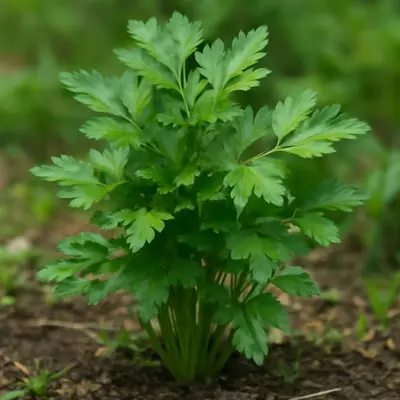
Curly Parsley
The quintessential garnish herb with tightly curled, emerald green leaves that add both visual appeal and fresh flavor to countless dishes. This biennial herb is incredibly hardy and productive, offering continuous harvests from spring through fall and even surviving light frosts. Its dense, ruffled foliage makes an attractive edging plant while providing a reliable source of vitamin-rich fresh herbs.

English Lavender
A compact, hardy lavender variety that's perfect for beginners and produces fragrant purple flower spikes beloved by bees and butterflies. This drought-tolerant perennial offers the classic lavender fragrance that's perfect for sachets, cooking, and aromatherapy while forming neat, silvery-green mounds in the garden. Munstead is one of the most cold-hardy lavender varieties, making it suitable for northern climates.

Fennel Bronze
A stunning ornamental herb that combines feathery bronze-colored foliage with the distinctive anise flavor that makes fennel a culinary treasure. This dramatic variety serves double duty as both an eye-catching garden focal point and a source of flavorful leaves, seeds, and flowers for cooking. Bronze fennel's graceful, thread-like foliage creates beautiful texture in herb gardens while attracting beneficial insects like swallowtail butterflies.

Fernleaf Dill
Abundant dark blue-green foliage. Great in containers or in small spaces. AAS Winner. Ht. 6-8".

Flat-Leaf Parsley
Also known as Italian parsley, this variety offers superior flavor compared to curly parsley with its clean, bright taste that doesn't overpower dishes. The flat, deeply-cut leaves are easier to chop and provide a fresh, grassy flavor that's essential in Mediterranean cooking. This hardy biennial is incredibly productive and continues growing through light frosts, making it a kitchen garden staple.

French Lavender
Distinguished by its unique serrated leaves and topped flower spikes crowned with purple bracts, French lavender brings year-round beauty to warm climate gardens. This aromatic herb blooms almost continuously in mild climates and offers a slightly camphor-like fragrance that's perfect for crafts and cooking. More heat and humidity tolerant than English lavender, making it ideal for challenging growing conditions.

French Tarragon
The aristocrat of culinary herbs, true French tarragon is essential for classic French cuisine with its distinctive anise-like flavor and sophisticated aroma. Unlike Russian tarragon, this sterile variety must be grown from cuttings and offers incomparably superior flavor. A must-have for serious cooks who want to create authentic bΓ©arnaise sauce and fine herb blends.

Garden Sage
High essential oil content of 1.5-2.0%. Robust, uniform plant. Also known as garden sage. Edible flowers: Use as garnish, or as an ingredient in rice, egg, or cheese dishes.

Garland Chrysanthemum
Cut greens when about 4-8" tall for a flavorful addition to salads, vegetables, pickles, and sushi. Edible, small, orange and yellow chrysanthemum flowers appear later on unharvested plants. This is the preferred "fine" or "small" leaf strain.

Garlic Chives
Wide, flat leaves are attractive and easy to harvest. Mild garlic flavor. USDA Certified Organic.

German Chamomile
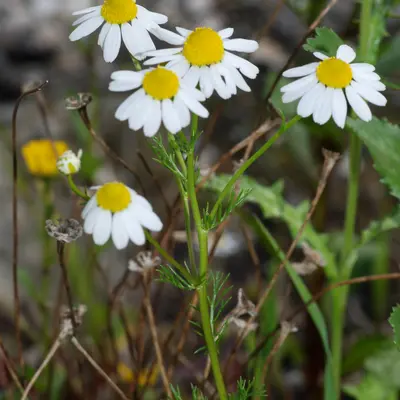
The classic tea herb beloved for its apple-scented flowers and gentle, soothing properties that have been treasured for centuries. This delicate annual produces masses of small, daisy-like flowers with white petals and bright yellow centers that can be harvested continuously throughout the growing season. Easy to grow and self-seeds readily, creating a charming cottage garden atmosphere while providing homegrown herbal tea.

German Thyme
Strong, robust, heavily branched plants produce high yields. Classic culinary and ornamental herb. Complex flavor is sweet and pungent with notes of pine and citrus. Small round to needle-shaped evergreen leaves on woody stems. Perennial in Zones 5-8. Mulch in cold winter climates. Edible Flowers: The flowers are small, but have a mild thyme flavor. Use the flowers in potato dishes and salads.

Gourmet Gold Dill
A stunning ornamental dill variety with bright golden-yellow foliage that adds both culinary value and visual drama to herb gardens. The vibrant color intensifies in cool weather while maintaining the classic dill flavor profile. Perfect for gardeners who want their herb garden to double as landscape decoration.

Gourmet Gold Oregano
A beautiful golden-leaved oregano variety that brings both ornamental beauty and culinary excellence to the herb garden. The bright chartreuse foliage provides stunning color contrast while delivering the classic oregano flavor that's essential for Mediterranean cooking, making it both a feast for the eyes and the palate.

Greek Oregano
Strong oregano aroma and flavor - great for pizza and Italian cooking. Characteristic dark green leaves with white flowers. Attracts Beneficial Insects: provides pollen and nectar for beneficial insects such as bees, hoverflies, lacewing larva, parasitic wasps, and tachinid flies. Edible Flowers: The flowers have an oregano flavor and can be used in the same manner as the herb. They are especially good in pasta salads, green salads, and as a fresh pizza topping.

Holy Basil
1 1/2" long green leaves, with purple stems. Known for its use in Hindu culture and Ayurveda. Also known as Tulsi. A common ingredient in Thai cuisine and in teas. Used medicinally for digestion and immune system support. Ht. 16-22".

Italian Large Leaf Oregano
The authentic oregano variety used in traditional Italian cooking, featuring large, robust leaves with an intensely aromatic flavor that's more pungent than common oregano. This true Mediterranean herb produces small white flowers that attract beneficial insects while the leaves deliver the classic pizza and pasta sauce flavor that made oregano famous. Heat actually intensifies its flavor, making it perfect for cooking applications.

Lavandula angustifolia 'Hidcote'
A compact, award-winning English lavender variety prized for its deep purple flower spikes and intensely fragrant oil content. This hardy perennial forms neat, silvery-green mounds that bloom profusely from early summer through fall, making it perfect for borders, containers, and herb gardens. Hidcote's exceptional fragrance and rich color have made it a favorite among gardeners and commercial growers alike.

Lemon Balm
Fresh leaves for teas, cold drinks, and salads. During the summer, small white flowers full of nectar appear which attract bees. Easy to grow. Mulch can aid winter survival in areas where winter temperatures typically reach below 0°F (-18°C).

Lemon Thyme
Pick at 1½-2½" diameter. This versatile cucumber is sweet and flavorful, and doesn't have much of the chemical that makes other cucumbers bitter and hard to digest. Though often served raw, Lemon is also a good pickling cucumber. Specialty market salad item. NOTE: Very late to begin bearing. USDA Certified Organic.

Mammoth Dill
Large 2" blossoms in bright, clear colors of red, purple, mauve, pink, blue, and white. Blooms over a long period with exceptional fragrance. Can be spelled either as sweet pea or sweetpea. Attracts hummingbirds.

Moroccan Mint
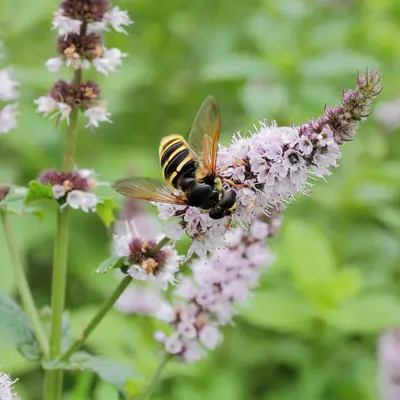
The traditional mint of North African tea culture, prized for its intensely sweet flavor and exceptional fragrance. This spearmint variety produces vibrant green leaves with a refreshing, clean taste that's less aggressive than peppermint. Perfect for the classic Moroccan mint tea and a beautiful, aromatic addition to any herb garden.

Orange Mint
This big sister to Sonja has larger flowers and thicker, sturdier stems. Branches are 35-48" and sport 4-6" blooms. May yield as many as 20-25 stems/plant. First sunflower to win an All-America Selections award. Also suitable for year-round greenhouse production. Day-length neutral. Minimal pollen. Branching. AAS Winner.

Origanum vulgare 'Hot & Spicy'
An intensely flavorful oregano variety that delivers exceptional heat and pungency, perfect for pizza sauces, Mediterranean dishes, and spicy cuisine. This vigorous perennial produces abundant small leaves packed with essential oils that far exceed common oregano in both flavor intensity and aromatic qualities. The compact, spreading habit makes it ideal for containers and herb garden borders where its potent fragrance can be easily accessed.

Peppermint
Vivid pink-on-white striping on the petiole. Glossy dark green leaves make for a striking contrast with the brilliant white veins. Deep leaf savoy for higher leaf volume. Long, strong petioles and upright habit make for quick and easy harvesting and bunching. Selected for strong disease tolerance and high bolt resistance. Peppermint is more than a novelty item; its strong agronomic qualities make it an outstanding performer in the field, and its beautiful color grabs attention at market. The ace of our field trials year after year.

Petroselinum crispum 'Forest Green'
The ultimate curly parsley variety featuring exceptionally dark green, tightly curled leaves that maintain their vibrant color and crisp texture longer than standard varieties. This uniform, compact plant produces abundant harvests of premium-quality leaves perfect for garnishing and cooking, with superior bolt resistance extending the harvest season. Forest Green's attractive appearance and reliable performance make it a favorite among both home gardeners and commercial growers.

Purple Ruffles Oregano
A stunning ornamental oregano that doubles as a culinary herb with its deeply ruffled purple-bronze leaves and cascading habit. The dramatic foliage color intensifies in cool weather, making it a standout in both herb gardens and decorative containers. While milder than Greek oregano, it still provides good flavor for cooking along with exceptional beauty.

Purple Top White Globe Turnip
A classic heirloom turnip variety prized for its sweet, mild flavor and distinctive purple and white coloring that makes it as beautiful as it is delicious. Both the tender roots and nutritious greens are edible, giving gardeners two crops from one planting. This fast-growing cool-season crop is perfect for spring and fall gardens and stores well through winter.

Rosemary
Native to the Mediterranean region, rosemary has silvery needle-like foliage and delicate flowers. Popular for potted plant sales and with chefs. NOTE: Germination is naturally low and variable. Edible Flowers: Although the flowers are small, they have a bold rosemary flavor. They should be used fresh as a garnish for savory dishes and salads, and pairs well with roasted vegetables, fruits, or whipped cream.

Russian Tarragon
A hardy perennial herb that thrives in cold climates where French Tarragon struggles, though with a milder anise flavor. Russian Tarragon is incredibly easy to grow from seed and forms robust clumps that return year after year, making it perfect for beginning herb gardeners seeking a reliable tarragon experience.

Silver Thyme
Small, silvery green leaves on well-branched stems are ideal for fresh or dried bouquets. Also known as cider gum, gum, and euc. Tender perennial in Zones 9-11.

Spearmint
The classic mint variety beloved for its bright, refreshing flavor and vigorous spreading habit that makes it perfect for beginning gardeners. Unlike peppermint, spearmint has a sweeter, less intense flavor that's perfect for teas, cocktails, and Middle Eastern cuisine. This hardy perennial spreads rapidly through underground runners, making it ideal for contained growing or naturalizing in moist areas.

Summer Savory
Pepper flavor adds spice to dishes. For flavoring fresh and dry beans, cabbage, and sauerkraut. Long internodes create a tall, somewhat lanky plant.

Variegated Sage
A stunning ornamental sage variety featuring leaves splashed with cream, green, and purple-pink variegation that creates a beautiful tapestry effect in the garden. This compact, slower-growing sage maintains all the culinary qualities of common sage while adding exceptional visual appeal to herb gardens and containers. The colorful foliage is especially vibrant in cooler weather.

Winter Savory
A hardy Mediterranean perennial with needle-like leaves that provide intense, peppery flavor reminiscent of thyme and oregano combined. This drought-tolerant herb forms attractive low mounds of evergreen foliage topped with delicate white or pink flowers that attract beneficial insects. Known as the 'bean herb' for its traditional pairing with legumes, winter savory is more potent and longer-lasting than its summer cousin.
Zone 6 Growing Tips for Illinois
Start your herb garden planning in late February by sowing slow-growing perennials like oregano and thyme indoors. These need 8-10 weeks to develop strong transplants, putting your seed starting right on target for post-frost planting. Hold off on basil seeds until late March β they sulk in cool soil and you'll get better results waiting for consistently warm conditions. I've learned the hard way that Zone 6 soil often stays cold well past that last frost date, so wait until soil temperatures hit 60Β°F before direct seeding warm-season herbs like basil and cilantro.
Transplant timing requires reading your specific microclimate rather than strictly following calendar dates. Hardy herbs like chives, parsley, and sage can go out 2-3 weeks before your last frost, but keep row cover handy for unexpected late cold snaps. Tender basils and heat-lovers wait until at least May 1st, and I often push that to May 15th for the best results. Your fall harvest window extends beautifully into November with proper planning β plant a second succession of cilantro and dill in late July for fresh herbs after the first plantings bolt.
Zone 6's biggest herb challenge is managing moisture during summer humidity spikes while ensuring good drainage during wet spring periods. Raised beds or containers solve both problems, and mulching around perennial herbs prevents the wet-dry cycles that stress plants. Most Mediterranean herbs benefit from afternoon shade during July and August heat waves, while moisture-lovers like mint and lemon balm appreciate consistent watering through dry spells.