Delaware in USDA Zone 7
Delaware is primarily in Zone 7. Local microclimates can vary.
Growing Shrubs & Hedges in Delaware
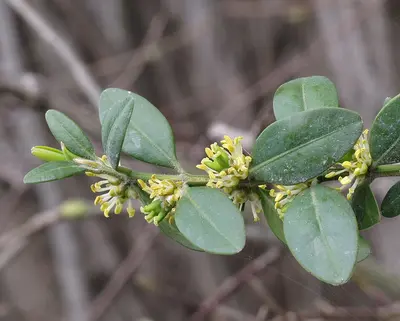
Zone 7 gardeners hit the sweet spot for shrub diversity, enjoying a 210-day growing season that supports everything from delicate Japanese Pieris to hardy Forsythia. This zone's moderate winters rarely drop below 0°F, opening doors to borderline-hardy beauties like Camellia Japonica and French Lavender that struggle in colder regions. The challenge lies in those occasional late spring freezes that can nip emerging buds, and summer heat stress that tests moisture-loving varieties like Endless Summer Hydrangea. Your success depends on choosing shrubs that can handle both winter's bite and summer's intensity while taking advantage of the extended growing season. The varieties I've selected here have proven themselves in Zone 7's variable conditions, from the reliable workhorses like Knock Out Roses and Common Boxwood to the showstoppers like Smokebush Purple and Weigela Wine and Roses. These picks balance beauty with resilience, giving you months of interest without constant coddling through weather extremes.
Zone 7 Shrubs & Hedges for Delaware
47 varieties · Last frost April 1 · 210-day season
Zone 7 Growing Tips for Delaware
Plant bare-root shrubs in late March through early April, about two weeks before your average last frost of April 1st - the soil is workable but cool enough to minimize transplant shock. Container-grown shrubs can go in later, from mid-April through May, once soil temperatures stabilize above 50°F. For fall planting, aim for mid-September through early October, giving roots 6-8 weeks to establish before your first frost around October 30th. Zone 7's unpredictable late freezes are your biggest enemy - protect newly planted shrubs with frost cloth when temperatures threaten to drop below 32°F after buds break. Summer heat stress hits hardest in July and August, so maintain consistent moisture for the first full growing season and apply 2-3 inches of mulch to keep roots cool. The extended growing season means you can push borderline varieties like French Lavender by planting them in protected microclimates near south-facing walls or in raised beds that drain quickly in winter.