Best Microgreens to Grow in British Columbia

British Columbia sits in USDA Hardiness Zone 8. These 36 microgreen varieties are suited to British Columbia's 240-day growing season with last frost around March 15 and first frost around November 15.

Varieties

36

for British Columbia

🌱

USDA Zone

8

240-day season

🗺️

Beginner

16

easy to grow

👍

Heirloom

28

heritage varieties

🏛️

British Columbia in USDA Zone 8

British Columbia is primarily in Zone 8. Varieties that thrive in this zone will typically grow well across the state, though local microclimates vary.

When to Plant Microgreens in British Columbia

Indoor Transplant Direct Sow Harvest

Growing Microgreens in British Columbia

Zone 8 gardeners hit the sweet spot for microgreen cultivation, with mild winters and extended growing seasons that allow for nearly year-round production. The moderate climate means you can grow tender varieties like basil and amaranth microgreens well into fall, while cool-season favorites like pea shoots and kale thrive during the comfortable winter months. However, the zone's hot, humid summers present unique challenges – high temperatures can cause quick bolting and increased fungal pressure, making variety selection and timing crucial for success.

The key to thriving microgreens in Zone 8 lies in choosing varieties that can handle temperature swings and working with your natural growing windows. Heat-tolerant options like sunflower, radish, and mustard microgreens excel during summer months, while cool-season varieties like broccoli, arugula, and Swiss chard perform best from fall through early spring. This diverse climate allows you to rotate through different flavor profiles throughout the year, keeping your microgreen harvests interesting and your kitchen supplied with fresh, nutrient-dense greens regardless of the season.

Variety Comparison

VarietyDaysDifficulty
Alfalfa Microgreens6-10Easy
Amaranth Microgreens50Easy
Arugula Microgreens10-15Easy
Basil Microgreens74Moderate
Beet Microgreens55Easy
Broccoli Microgreens7-10Easy
Buckwheat Microgreens8-12Easy
Cabbage Microgreens68Easy
Carrot Microgreens75-85Moderate to challenging
Celery Microgreens100Moderate
Chia Microgreens7-14Moderate
Chives Microgreens75-85Moderate
Cilantro Microgreens10-14Moderate
Clover Microgreens8-12Easy to Moderate
Corn Microgreens112Moderate
Cress Microgreens10-15Very easy
Dill Microgreens10-14Moderate
Fennel Microgreens50-60Moderate
Fenugreek Microgreens7-14Easy to moderate
Kale Microgreens90Easy
Lemon Balm Microgreens70Moderate to Advanced
Lettuce Microgreens47Easy
Mizuna Microgreens7-14Easy
Mung Bean Microgreens6-10Easy
Mustard Microgreens6-8Very Easy
Onion Microgreens109Easy to Moderate
Pea Shoots7-14Easy
Purple Kohlrabi Microgreens80Easy to Moderate
Purple Radish Microgreens6-12Very Easy
Radish Microgreens30Easy
Red Amaranth Microgreens65-75Easy
Red Cabbage Microgreens68Easy
Red Clover Microgreens8-12Easy
Spinach Microgreens25Moderate
Sunflower Microgreens85-95Easy to Moderate
Wheatgrass Microgreens7-10Very easy

Variety Details

Alfalfa Microgreens growing in a garden

Alfalfa Microgreens

6-10dEasyHeirloomContainer

Commonly used to add flavor and texture to salads and sandwiches. One tablespoon of seed yields approx. 2-3 cups of sprouts. All of Johnny's high-germination sprouting seeds have tested negative for the presence of E. coli 0157 and Salmonella. USDA Certified Organic.

Amaranth Microgreens growing in a garden

Amaranth Microgreens

50dEasyHeirloomContainer

Round to heart-shaped leaves are medium-green overlaid with burgundy red. Striking color on the undersides of the leaves. Cutting the top of the plant yields beautiful, multicolored rosettes that can be added to mixes. Comparable to spinach in flavor. Often used in soups.

Arugula Microgreens growing in a garden

Arugula Microgreens

10-15dEasyHeirloomContainer

Purple stems and dark-green leaves. Based on our yield trial, we recommend seeding 10 gm per tray at approx. 3 flats per oz of seed. Avg. days to maturity was 14 days when harvested at the first true leaf (as opposed to cotyledon) stage. Also available in organic seed.

Basil Microgreens growing in a garden

Basil Microgreens

74dModerateHeirloomContainer

Large 2-3" long, turned-down leaves. This stunning basil is nearly black in color. Purple flowers and red leaves make an attractive garnish. Ht. 16-20".Edible Flowers: Use the flowers in any recipe that calls for basil, or to garnish drinks, salads, soups, pasta, and desserts. Flavor is of intense basil.

Beet Microgreens growing in a garden

Beet Microgreens

55dEasyHeirloomContainer

The highest-quality Chioggia strain available. Medium-height tops are green with pink-striped stems. Excellent flavor. Also available in organic seed or with NOP-compliant pelleting.

Broccoli Microgreens growing in a garden

Broccoli Microgreens

7-10dEasyHeirloomContainer

Mildly spicy broccoli flavor. One tablespoon of seed yields approx. 1-1 1/2 cups of sprouts. All of Johnny's high-germination sprouting seeds have tested negative for the presence of E. coli 0157 and Salmonella.

Buckwheat Microgreens growing in a garden

Buckwheat Microgreens

8-12dEasyHeirloomContainer

Buckwheat is widely grown as a grain crop, bee pasture, soil improving cover crop and as wildlife cover. It is a warm season grain which grows rapidly during the summer and several crops per year may be had with proper management. This rapid and dense growth chokes out weeds and is used in crop-free fields in rotation with vegetables. Buckwheat is often grown to attract beneficial insects and as pasture for honey bees. Sow in late May through July and till in about a month later, when flowering has begun. For grain harvest, sow 3 months before fall frost. Harvest after killing frost.

Cabbage Microgreens growing in a garden

Cabbage Microgreens

68dEasyContainer

Extremely uniform small heads with good wrapper leaves. Inner leaves are tender, crunchy, and have an excellent, sweet, mild cabbage flavor. Perfect for summer salads, slaws, or cooked dishes. In the UK, they are harvested early in the season, before they have fully headed, and sold as "spring greens." Avg. head weight: 1 1/2-2 lb. Also available in organic seed.

Carrot Microgreens growing in a garden

Carrot Microgreens

75-85dModerate to challengingHeirloomContainer

Purple Kisses is very similar to Dara, with 3-5" lacy umbels atop strong, sturdy, upright stems. Flowers in shades of dark purple, pink, and approximately 15% white. Highly productive with 7-15 stems per plant. Long lasting in bouquets. Also known as Queen Anne's lace, ornamental carrot, and wild carrot.

Celery Microgreens growing in a garden

Celery Microgreens

100dModerateHeirloomContainer

Medium-large, relatively smooth round roots with buff-colored skin. Interiors are white and flavorful and resist pithiness and hollow heart. Also available with NOP-compliant pelleting.

Chia Microgreens growing in a garden

Chia Microgreens

7-14dModerateHeirloomContainer

These nutrient-dense microgreens offer a unique growing experience as the seeds become gelatinous when wet, creating their own natural growing medium. Chia microgreens have delicate, tender leaves with a mild, slightly tangy flavor that's completely different from the crunchy seeds. They're packed with omega-3 fatty acids and provide a gourmet touch to salads and smoothies.

Chives Microgreens growing in a garden

Chives Microgreens

75-85dModerateHeirloomContainer

Compared to Staro, Purly has a more upright plant habit with a slightly straighter leaf. Edible Flowers: Pull the florets apart and sprinkle on salads, dips, sauces, soups, stir-fries, and pizza. Great as an addition to potato salad. Flavor is of mild, sweet onion.

Cilantro Microgreens growing in a garden

Cilantro Microgreens

10-14dModerateHeirloomContainer

Santo is a slow-bolting selection grown for its leaves. Like the leaves and seeds, the flowers are also edible. NOTE: We test all our cilantro/coriander lots for the presence of Pseudomonas. Attracts Beneficial Insects: if allowed to flower, provides pollen and nectar for beneficial insects such as, bees, hoverflies, and tachinid flies.Edible Flowers: Use them raw because the flavor fades quickly when cooked. Sprinkle to taste on salads, bean dishes, chicken, and spicy Southwestern dishes. Flavor is of mild cilantro.

Clover Microgreens growing in a garden

Clover Microgreens

8-12dEasy to ModerateHeirloomContainer

Once established, white clover can handle foot and tractor traffic better than other clovers. The fibrous root system typically is in the top 8" of soil, although it does have up to a 40" tap root in the first year which dies each fall, leaving a passage for water to percolate through. More heat tolerant than some of the larger clovers, this is a low-growing (to 12") perennial that can be sown into long-season row crops during the season to provide a "living mulch." Sow after first cultivation and rake or cultivate to cover. Also used for green manure, hay, and pasture. Inoculate with Alfalfa/True Clover Inoculant (#7535) for best performance.

Corn Microgreens growing in a garden

Corn Microgreens

112dModerateContainer

7-8" ears with glossy deep yellow kernels. A high percentage of kernels pop producing tender popcorn. 8-9' plants.

Cress Microgreens growing in a garden

Cress Microgreens

10-15dVery easyHeirloomContainer

Also known as "Curly Cress" or "Peppergrass." Try adding cress to a sandwich or when an extra-spicy bite is needed. Based on our yield trial, we recommend seeding 10.5 gm per tray at approx. 3 flats per oz of seed. Avg. days to maturity was 13 days when harvested at the first true leaf (as opposed to cotyledon) stage. Also available in organic seed.

Dill Microgreens growing in a garden

Dill Microgreens

10-14dModerateHeirloomContainer

Early flowering plants produce large blooms, seed umbels, and foliage on long stems, making Bouquet the preferred dill for cut-flower use and pickling. Also an economical, fast-growing choice for baby-leaf production. Edible seeds, flowers, and greens flavor many foods. Popular addition to sauces, salads, and soup. Foliage known as dill weed. Edible Flowers: The flowers are used to garnish potato salad, green salads, and pickles. When broken into florets, they can be mixed into a cheese spread or omelet.Also available in organic seed.

Fennel Microgreens growing in a garden

Fennel Microgreens

50-60dModerateHeirloomContainer

Vigorous and uniform strain is slow to bolt. Nonbulbing type. Leaves are a nice addition to salads, coleslaws, and dressings.Flavor in fennel develops and intensifies as plants mature. Very young plants (baby-leaf stage) will have a mild flavor, while mature plants (8-12" tall) will have a fuller fennel flavor. Edible Flowers: The florets are used to garnish savory dishes, and pair well with fish, potato, tomato, and beef dishes. Flavor is of sweet anise.USDA Certified Organic.

Fenugreek Microgreens growing in a garden

Fenugreek Microgreens

7-14dEasy to moderateHeirloomContainer

Rich, herbal, slightly bitter flavor. One tablespoon of seed yields approx. 1 1/2 cups of sprouts. All of Johnny's high-germination sprouting seeds have tested negative for the presence of E. coli 0157 and Salmonella. USDA Certified Organic.

Kale Microgreens growing in a garden

Kale Microgreens

90dEasyHeirloomContainer

Nicely round bulbs with light orange flesh and sweet flavor. Develops good color early in root development. Stores well. Sized seed. Also available in organic seed.

Lemon Balm Microgreens growing in a garden

Lemon Balm Microgreens

70dModerate to AdvancedHeirloomContainer

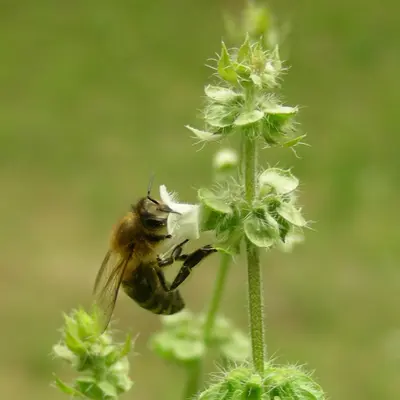
Fresh leaves for teas, cold drinks, and salads. During the summer, small white flowers full of nectar appear which attract bees. Easy to grow. Mulch can aid winter survival in areas where winter temperatures typically reach below 0°F (-18°C).

Lettuce Microgreens growing in a garden

Lettuce Microgreens

47dEasyHeirloomContainer

Beautiful large dark red heads with nicely contrasting green centers. Excellent flavor and texture. The surest heading of red butterheads. Utility Patent granted. MT0-30. Also available with NOP-compliant pelleting.

Mizuna Microgreens growing in a garden

Mizuna Microgreens

7-14dEasyHeirloomContainer

Traditional brassica green of Japanese origin prized for its quick growth, productivity, mild flavor, and recognizable, serrated leaf shape. USDA Certified Organic.

Mung Bean Microgreens growing in a garden

Mung Bean Microgreens

6-10dEasyHeirloomContainer

Popular in Asian cuisine, often stir-fried to accompany meals. 1/4 cup of seed yields approx. 2-3 cups of sprouts. Mung Bean can also be grown in open-flat trays as shoots; harvest as soon as first true leaves open for optimal taste and texture. Very fast maturing with attractive green leaves and pink stems. All of Johnny's high-germination sprouting seeds have tested negative for the presence of E. coli 0157 and Salmonella. USDA Certified Organic.

Mustard Microgreens growing in a garden

Mustard Microgreens

6-8dVery EasyHeirloomContainer

Purple-tinted leaves with gently scalloped margins. Plant densely so leaves remain a proper size for baby leaf and petioles elongate for easy harvest. Somewhat spicy mustard flavor. Also available in organic seed.

Onion Microgreens growing in a garden

Onion Microgreens

109dEasy to ModerateContainer

Widely adapted, day-neutral, and matures well anywhere in North America from spring sowing. Suitable for fall planting where short-day onions are normally grown. Produces uniform, large, white-skinned onions with mild flavor and thick rings. Not for long storage. Sierra Blanca is the same variety as Super Star. It has been renamed by the breeder. AAS Winner. Also offered as plants and as conventional seed with NOP-compliant pelleting.

Pea Shoots growing in a garden

Pea Shoots

7-14dEasyHeirloomContainer

Yellow peas are a great non-GMO protein source and are becoming more prevalent in feed rations with protein percentages ranging from 21-25. They contain high levels of carbohydrates, are low in fiber, and contain 86-87% total digestible nutrients, making them an excellent livestock feed. In spring or fall, sow alone or mixed with vetch and/or oats, winter rye, or ryegrass. Harvest for grain at 16-18% moisture or when the seeds are hardened and fully mature. Inoculate with Garden Combination Inoculant (#7531) or Pea, Vetch, and Lentil Inoculant (#7534) for best performance.

Purple Kohlrabi Microgreens growing in a garden

Purple Kohlrabi Microgreens

80dEasy to ModerateContainer

Harvest when round and about 8" diameter, before it begins to elongate. At this size, the roots will store well and the flesh will be sweet, tender, and delicious. Kossak will keep in cold storage for up to 4 months. Also available in organic seed.

Purple Radish Microgreens growing in a garden

Purple Radish Microgreens

6-12dVery EasyContainer

Stunning microgreens featuring vibrant purple stems topped with bright green cotyledons, delivering the classic peppery radish bite in miniature form. These colorful microgreens are among the most visually striking varieties available, making them favorites for garnishing and adding both spice and beauty to dishes. Fast-growing and virtually foolproof, they're perfect for beginners wanting dramatic results.

Radish Microgreens growing in a garden

Radish Microgreens

30dEasyHeirloomContainer

Make beautiful bunches with this mix of red, purple, pink, and white round radishes. Maturing over an extended period of time, they stay crisp and mild even when large. Great fun for children and adults alike.

red plant in tilt shift lens

Red Amaranth Microgreens

65-75dEasyHeirloomContainer

Tall, well-branched, heat-loving plants produce armloads of blooms. Bronze to chestnut-colored plumes are ideal for autumn bouquets and bunches. Pinching out the center (apical) bud is recommended for optimum branching. Also known as amaranth.

Red Cabbage Microgreens growing in a garden

Red Cabbage Microgreens

68dEasyContainer

Extremely uniform small heads with good wrapper leaves. Inner leaves are tender, crunchy, and have an excellent, sweet, mild cabbage flavor. Perfect for summer salads, slaws, or cooked dishes. In the UK, they are harvested early in the season, before they have fully headed, and sold as "spring greens." Avg. head weight: 1 1/2-2 lb. Also available in organic seed.

Red Clover Microgreens growing in a garden

Red Clover Microgreens

8-12dEasyContainer

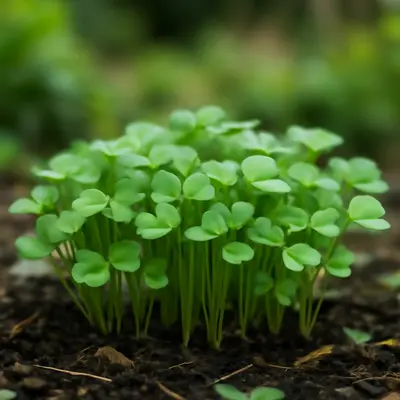
Delicate microgreens with a mild, sweet flavor and attractive purple-pink stems topped with small rounded leaves. These nutrient-dense sprouts are rich in isoflavones and add both visual appeal and subtle clover taste to salads and sandwiches.

Spinach Microgreens growing in a garden

Spinach Microgreens

25dModerateContainer

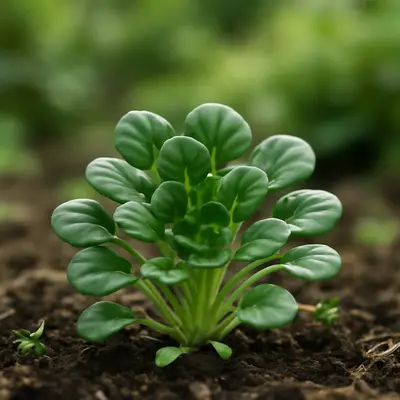
Fast-growing medium-green leaves are smooth to slightly savoyed.

Sunflower Microgreens growing in a garden

Sunflower Microgreens

85-95dEasy to ModerateHeirloomContainer

This big sister to Sonja has larger flowers and thicker, sturdier stems. Branches are 35-48" and sport 4-6" blooms. May yield as many as 20-25 stems/plant. First sunflower to win an All-America Selections award. Also suitable for year-round greenhouse production. Day-length neutral. Minimal pollen. Branching. AAS Winner.

Wheatgrass Microgreens growing in a garden

Wheatgrass Microgreens

7-10dVery easyHeirloomContainer

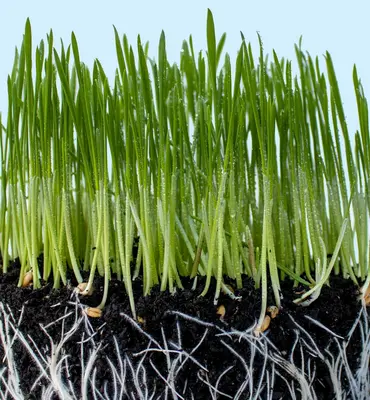
Wheat sprouts with a sweet flavor. 1/2 cup of seed yields approx. 2-3 cups of sprouts. All of Johnny's high-germination sprouting seeds have tested negative for the presence of E. coli 0157 and Salmonella. USDA Certified Organic.

Zone 8 Growing Tips for British Columbia

In Zone 8, indoor microgreen production gives you the most control over growing conditions, especially during the intense summer heat. Start your trays in a cool, well-ventilated area with temperatures between 65-75°F – basements, north-facing rooms, or air-conditioned spaces work perfectly. During summer months (June through August), focus on quick-growing, heat-tolerant varieties like radish, mustard, and mung bean microgreens that can handle some temperature stress and mature rapidly before heat becomes an issue.

Winter growing in Zone 8 is surprisingly productive since your indoor temperatures remain moderate even when outdoor temps dip. This is prime time for slower-growing varieties like kale, broccoli, and Swiss chard microgreens that actually prefer cooler conditions. If you're growing in an unheated space, the mild Zone 8 winters mean you'll rarely need supplemental heat, though a small space heater can help during those occasional cold snaps that dip below 20°F.

Proper air circulation becomes critical during Zone 8's humid periods, particularly late summer and early fall. Use fans to keep air moving around your growing trays and avoid overwatering, which can quickly lead to damping-off disease in humid conditions. Harvest your microgreens slightly earlier than recommended during high humidity periods – they'll still be tender and flavorful while avoiding the increased risk of mold that comes with extended growing times in muggy weather.