Purple Leaf Plum
Prunus cerasifera 'Atropurpurea'
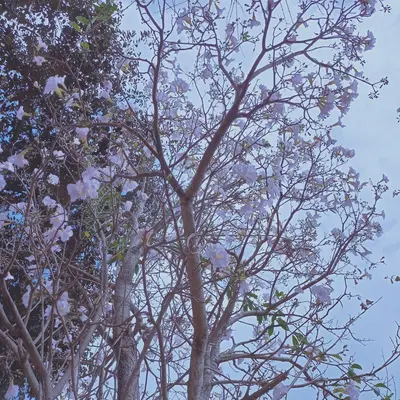
A stunning small shade tree that provides year-round color with deep purple-burgundy foliage that emerges bright red in spring. The profuse pink flowers in early spring create a spectacular display before the leaves emerge, making it a true four-season performer. Perfect size for smaller yards where you want maximum impact without overwhelming the space.
Harvest
N/Ad
Days to harvest
Sun
Full sun for best color
Zones
5–8
USDA hardiness
Height
15-30 feet
Planting Timeline
Showing dates for Purple Leaf Plum in USDA Zone 7
All Zone 7 shade-tree →Zone Map
Click a state to update dates
Purple Leaf Plum · Zones 5–8
Growing Details
Zone-by-Zone Planting Calendar
Complete Growing Guide
Soil: Clay, Loam (Silt), Sand. Soil pH: Acid (<6.0), Neutral (6.0-8.0). Drainage: Good Drainage, Moist. Height: 15 ft. 0 in. - 30 ft. 0 in.. Spread: 15 ft. 0 in. - 25 ft. 0 in.. Spacing: 12-24 feet. Growth rate: Medium. Maintenance: 'Atropurea' white to pinkish flowers, purplish foliage 'Crimson Pointe' 'Krauter's Vesuvius'light pink flowers, dark purplish foliage 'Newport'pale bluish-pink flowers, dark purple to red or red purple foliage 'Nigra'bronze leaves in the spring, dark purple leaves summer, and orange-red leaves fall 'Purple Pony'dwarf variety, 10 to 12 feet in height and width 'Purple Pony'dwarf variety, 10 to 12 feet in height and width 'Thundercloud' pale pink to white flowers, coppery-purple foliage, 'Atropurea', 'Crimson Pointe', 'Krauter's Vesuvius', 'Newport', 'Nigra', 'Purple Pony', 'Purple Pony', 'Thundercloud'. Propagation: Grafting, Seed, Stem Cutting. Regions: Coastal, Mountains, Piedmont.
Harvesting
The fruit is a smooth, round, yellow, or red drupe that is up to 1.25-inches in diameter and ripens mid to late summer. Cultivars may be reddish-purple fruits. Fruits are not produced in great quantities.
Color: Gold/Yellow, Purple/Lavender, Red/Burgundy. Type: Drupe. Length: < 1 inch. Width: < 1 inch.
Garden value: Edible
Harvest time: Summer
Bloom time: Spring
Edibility: The fruits are edible and are used in tarts or jellies.
History & Origin
Origin: Southeast Europe to Central Asia and the Himalayas
Advantages
- +Attracts: The fruits are edible and are used in tarts or jellies.
- +Wildlife value: This is a larval host plant for Eastern Tiger Swallowtail (Papilio glaucus). You may see three flights from February-November in the deep south and two flights from May-September in the north. Fruits are eaten by songbirds. Insects pollinate the flowers.
- +Edible: The fruits are edible and are used in tarts or jellies.
- +Low maintenance
Considerations
- -Toxic (Leaves, Seeds, Stems): Medium severity
Companion Plants
Plant Together
Lavender
Repels aphids and other pests that commonly attack plum trees, drought tolerant
Chives
Deters aphids and Japanese beetles while improving soil with shallow roots
Marigolds
Repel nematodes and aphids, attract beneficial insects for pest control
Comfrey
Dynamic accumulator that brings nutrients to surface, excellent mulch material
Nasturtiums
Act as trap crop for aphids and cucumber beetles, edible flowers
Clover
Fixes nitrogen in soil, provides ground cover, attracts beneficial insects
Tansy
Repels ants, mice, and flying insects that may damage fruit
Daffodils
Deter rodents and deer from damaging tree bark and roots
Keep Apart
Black Walnut
Produces juglone toxin that inhibits growth and can kill stone fruit trees
Fennel
Allelopathic properties inhibit growth of most plants including fruit trees
Large Oak Trees
Compete for water and nutrients, dense shade prevents proper fruit ripening
Pests & Disease Resistance
Resistance
Moderate - susceptible to some stone fruit diseases
Common Pests
Aphids, scale, borers
Diseases
Black knot, leaf spot, canker