Chinese Pistache
Pistacia chinensis
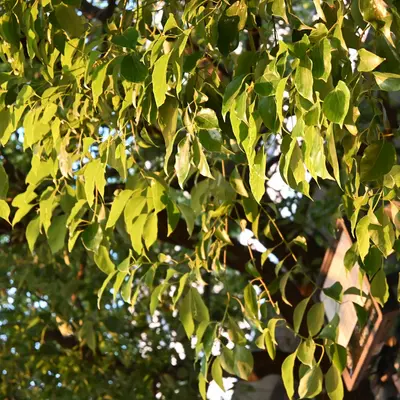
An underrated shade tree that delivers spectacular orange-red fall color rivaling any maple, but with superior drought tolerance and adaptability. This medium-sized tree thrives in challenging conditions where other trees fail, making it perfect for water-wise landscapes. The attractive compound leaves and excellent structure make it a designer favorite for modern gardens.
Sun
Full sun
Zones
6–9
USDA hardiness
Height
30-35 feet
Planting Timeline
Showing dates for Chinese Pistache in USDA Zone 7
All Zone 7 shade-tree →Zone Map
Click a state to update dates
Chinese Pistache · Zones 6–9
Growing Details
Complete Growing Guide
Light: Full sun (6 or more hours of direct sunlight a day). Soil: Clay, Loam (Silt), Sand. Soil pH: Acid (<6.0), Alkaline (>8.0), Neutral (6.0-8.0). Drainage: Good Drainage, Moist, Occasionally Dry. Height: 30 ft. 0 in. - 35 ft. 0 in.. Spread: 20 ft. 0 in. - 30 ft. 0 in.. Spacing: more than 60 feet. Growth rate: Medium. Maintenance: Low. Propagation: Seed. Regions: Coastal, Mountains, Piedmont.
Harvesting
The fruits are drupes that are initially red and ripen to blue in October. They are rounded, ¼ inch in diameter, and inedible.
Color: Blue, Red/Burgundy. Type: Drupe. Length: < 1 inch. Width: < 1 inch.
Garden value: Showy
Harvest time: Fall
Edibility: The fruit is inedible.
Storage & Preservation
Chinese Pistache is an ornamental shade tree, not a fruit-bearing variety, so traditional storage and preservation methods do not apply. The tree itself requires no harvesting or post-harvest handling. For landscaping purposes, maintain the tree through proper watering during establishment (first 1-2 years), then rely on natural rainfall in drought-prone areas. Prune in late winter to maintain shape and structure. No special preservation techniques are needed—this is a long-lived perennial tree that provides decades of value with minimal maintenance once established.
History & Origin
Origin: Transcaucasus, Afghanistan to China, Taiwan, and the Philippines
Advantages
- +Attracts: Songbirds
- +Edible: The fruit is inedible.
- +Low maintenance
Companion Plants
The drought-tolerant Mediterranean herbs — lavender, rosemary, and salvia — pair well with Chinese Pistache because they want the same thing from the soil: sharp drainage, low fertility, and no supplemental irrigation once they're settled in. Planting thirstier perennials near the drip line creates a mismatch; you'll end up running extra water for them that the pistache doesn't need and didn't ask for. In our zone 7 Georgia gardens, that kind of irrigation creep is one of the more reliable ways to shorten a drought-adapted tree's life.
Black walnut is the firm no on this list — it produces juglone, an allelochemical that moves through the soil and is genuinely toxic to a wide range of woody plants at concentrations as low as 10 parts per million. Native grasses like little bluestem work well in the open space under a mature canopy; they're fine with seasonal dry shade, and their fibrous, shallow roots don't compete with the pistache's deeper anchoring system.
Plant Together
Lavender
Drought-tolerant perennial that thrives in similar conditions and repels pests
Rosemary
Shares similar water requirements and helps deter insects with aromatic oils
Native Grasses
Complement the tree's natural habitat and prevent soil erosion
Salvia
Drought-resistant and attracts beneficial pollinators while tolerating partial shade
Texas Sage
Both are drought-tolerant natives that support each other's water conservation
Yucca
Similar low-water needs and adds structural diversity to the landscape
Penstemon
Native wildflower that thrives in similar soil conditions and attracts beneficial insects
Agave
Extremely drought-tolerant succulent that complements the tree's water-wise nature
Keep Apart
Black Walnut
Produces juglone which can inhibit growth of Chinese Pistache and other plants
Eucalyptus
Releases allelopathic compounds that suppress growth of nearby plants
Water-loving Plants
Compete for different moisture levels and may cause root rot in drought-adapted trees
Pests & Disease Resistance
Resistance
Excellent disease resistance
Common Pests
Few pest problems
Diseases
Very disease resistant
Troubleshooting Chinese Pistache
What you'll see, why it happens, and what to do about it.
Leaves yellowing and dropping in the first summer after transplant, despite regular watering
Likely Causes
- Transplant shock — root system hasn't established enough to support canopy demand
- Overwatering a drought-tolerant species, causing oxygen deprivation at the roots
What to Do
- 1.Cut back watering to once every 7-10 days after the first month; Chinese Pistache roots want to chase moisture downward, not sit wet
- 2.Mulch a 3-foot ring around the base with 3 inches of wood chips to moderate soil temperature and retain just enough moisture
- 3.Hold off on any fertilizer the first season — pushing top growth before the roots are ready makes the stress worse
Trunk or scaffold branches developing sunken, discolored bark with gummy resin oozing out
Likely Causes
- Botryosphaeria canker — a fungal pathogen that moves in through pruning wounds or mechanical damage, most common on stressed trees
- Weed-eater or lawn mower damage at the base creating an entry point for pathogens
What to Do
- 1.Prune the affected branch back to clean, healthy wood at least 6 inches below the visible canker margin; sterilize your pruning saw with 70% isopropyl alcohol between cuts
- 2.Keep a 4-inch ring of mulch around the trunk, pulled a few inches back from the actual bark — no mulch volcanoes
- 3.There's no spray fix for an established canker; clean cuts and a tree that isn't drought- or waterlog-stressed are your only real tools
Frequently Asked Questions
How long does a Chinese Pistache tree take to mature?▼
Is Chinese Pistache a good shade tree for beginners?▼
Can you grow Chinese Pistache in containers?▼
When should I plant a Chinese Pistache tree?▼
What does Chinese Pistache fall color look like?▼
How does Chinese Pistache compare to other shade trees?▼
Zone-by-Zone Planting Calendar
Growing Guides from Wind River Greens
Sources & References
External authority sources used in compiling this guide.
- ExtensionNC State Extension
See the Methodology page for how this data is sourced, what's AI-assisted, and known limitations.